
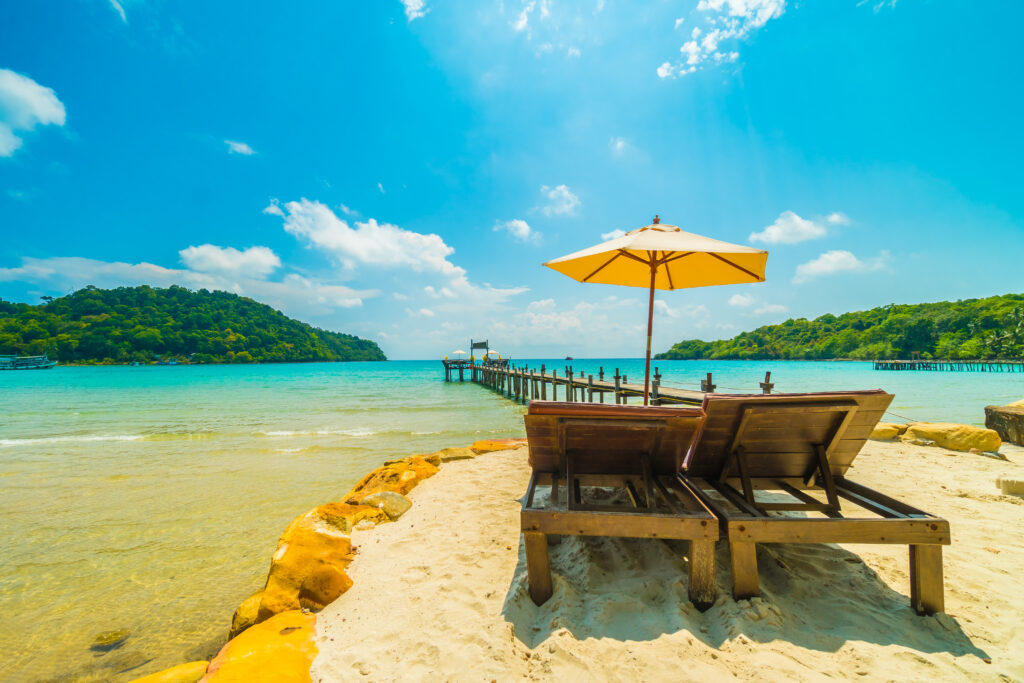
Some beaches are just beaches. Then there are the ones that stop you mid-step and make you forget everything you were thinking about. The best beaches in the world earn that title through a combination of natural beauty, water clarity, uniqueness, and the kind of setting that makes a place genuinely unforgettable. This guide covers 20 of the most incredible beaches across every corner of the globe, from pink sand coves in Bermuda to surreal granite boulder beaches in the Seychelles, with practical travel information for each one.
What Makes a Beach the Best in the World?
The world’s most incredible beaches share a combination of qualities that elevate them beyond ordinary coastline. Water color and clarity matter enormously, which is why tropical destinations with shallow, reef-protected lagoons consistently top these lists. Sand quality, whether powdery white, pink-tinged, or set against dramatic rock formations, adds to the visual impact.
Setting and surroundings count too. A beach framed by jungle, volcanic peaks, or granite boulders creates a completely different experience from a long flat stretch of sand, even if the water quality is identical.
Accessibility and crowding are practical factors. Some of the prettiest beaches in the world require a boat, a hike, or a long journey, which often means fewer crowds and a more genuine experience. Others are famous precisely because of their vibrant, people-filled energy.
The 20 Best Beaches in the World
1. Anse Source d’Argent — La Digue, Seychelles
Consistently ranked among the most photographed beaches on earth, Anse Source d’Argent is defined by its enormous granite boulders, worn smooth over millennia, rising from powdery white sand and framed by warm turquoise water. The combination of textures and colors creates a landscape that looks almost too perfect to be real.
La Digue island is small and relatively quiet, accessible by ferry from Mahe or Praslin. The beach sits within a former coconut plantation, which adds a layer of lush tropical character behind the shoreline. Visit early morning before day-trippers arrive from other islands.
2. Whitehaven Beach — Whitsunday Island, Australia
Whitehaven Beach stretches for seven kilometers along Whitsunday Island in Queensland, Australia. What makes it extraordinary is the sand itself: pure silica with 98 percent purity that stays cool underfoot even in direct sun and swirls in mesmerizing patterns through the tidal pools at Hill Inlet.
The beach is accessible only by boat or seaplane from Airlie Beach. No permanent facilities exist on the island, which keeps it pristine. It is one of the most incredible beaches in the world for its combination of color, scale, and remoteness.
3. Horseshoe Bay — Bermuda
Horseshoe Bay earns its place on every list of the world’s best beaches for one simple reason: the sand is genuinely pink. The color comes from tiny fragments of pink coral and shells mixed into the white sand, creating a blush tone that becomes more vivid in bright sunlight.
The bay is sheltered and crescent-shaped with clear water that shifts from aquamarine near the shore to deep Atlantic blue further out. Secondary coves to the left and right offer more secluded spots when the main beach gets busy in summer.
4. Matira Beach — Bora Bora, French Polynesia
Bora Bora has some of the most impossibly blue water anywhere in the world, and Matira Beach is the best place to experience it at sea level. The lagoon surrounding Bora Bora creates a natural filter that produces shades of turquoise, teal, and cobalt that shift as the light changes through the day.
Matira is the only truly public beach on Bora Bora and runs along a narrow peninsula on the island’s southern tip. The shallow lagoon water is warm and calm, ideal for swimming and snorkeling directly from shore.
5. Navagio Beach (Shipwreck Beach) — Zakynthos, Greece
Navagio Beach is one of the most famous beaches in the world not just for its beauty but for its story. A rusting shipwreck sits dramatically on the white sand, surrounded by towering white limestone cliffs that drop straight to the Ionian Sea.
The beach is accessible only by boat from Zakynthos town or Porto Vromi, which keeps visitor numbers manageable. The combination of the wreck, the cliffs, and the electric blue water makes it genuinely unlike any other beach on earth.
6. Palawan Beaches — El Nido, Philippines
The Philippines contains some of the most stunning beaches in the world, and El Nido in Palawan concentrates the best of them. Dramatic karst limestone formations rise from crystal clear water, creating hidden lagoons, secret beaches, and snorkeling environments of extraordinary richness.
Island hopping tours visit multiple beaches in a single day. The Big Lagoon, Small Lagoon, and Secret Beach are highlights. The water clarity here is among the best anywhere in Southeast Asia.
7. Anse Lazio — Praslin, Seychelles
On Praslin island, Anse Lazio regularly earns recognition as one of the prettiest beaches in the world. It combines the Seychelles signature granite boulders with softer, more accessible conditions than Anse Source d’Argent, with deeper water that is ideal for swimming.
The beach faces west, meaning afternoon light turns the water extraordinary colors. A small restaurant at the northern end provides food and drinks without overwhelming the natural setting.
8. Cala Mariolu — Sardinia, Italy
Cala Mariolu sits on a remote stretch of Sardinia’s east coast in the Gulf of Orosei, reachable only by boat or a lengthy hike through the national park. The water here ranges from jade to deep sapphire and the pebble and sand beach is sheltered by dramatic limestone cliffs.
The remoteness keeps it relatively unspoiled. Hiring a small motorized dinghy from the town of Santa Maria Navarrese lets you explore the entire coastline at your own pace and find even more secluded coves.
9. Grace Bay Beach — Providenciales, Turks and Caicos
Grace Bay Beach has won the TripAdvisor Travelers’ Choice award for best beach in the world multiple times. It is a 12-kilometer stretch of powdery white sand fronted by some of the clearest water in the Caribbean.
The barrier reef just offshore keeps the water calm and shallow for a considerable distance, making it ideal for families. The sand stays brilliantly white even in midday sun. Turks and Caicos is an easy flight from the US East Coast.
10. Temae Beach — Moorea, French Polynesia
Moorea sits just 17 kilometers from Tahiti but feels entirely different, with jagged volcanic peaks rising behind beaches that open onto some of the best snorkeling in French Polynesia. Temae Beach on the island’s northeast coast offers calm, clear water with excellent snorkeling directly from shore.
The view across the lagoon toward Tahiti creates a backdrop that is difficult to find anywhere else. Go early to have the beach largely to yourself before the day tours arrive from Papeete.
11. Flat Island Beach — Mauritius
Flat Island is one of three tiny uninhabited islands reachable by boat from the north coast of Mauritius. The absence of permanent settlement means the beaches and reef systems remain pristine. Swimming and snorkeling without other people around in water this clear is a genuinely rare experience.
Day trips from Grand Baie or Pereybere include boat transport, snorkeling equipment, and usually a barbecue lunch on the island. Arrive early to maximize time on the beach before other groups arrive.
12. Hanauma Bay — Oahu, Hawaii
Hanauma Bay is a marine conservation area formed inside an ancient volcanic crater on Oahu’s southeast coast. The curved bay creates a natural aquarium of extraordinary richness, with hundreds of species of tropical fish visible in shallow water just meters from shore.
To manage environmental impact, visitor numbers are capped and pre-booking is required. Arrive on the first shuttle from Honolulu to get the most time in the water before it fills up. The reef has recovered significantly since visitor management was introduced.
13. Crane Beach — Barbados
Crane Beach on Barbados’s southeast coast is distinctive for its pink-tinged sand and the dramatic pink sandstone cliffs that frame it. The Atlantic-facing location creates waves that make it popular with bodyboarders, though the surf makes it less suitable for calm water swimming than the island’s west coast beaches.
The cliff-top setting gives views of the beach that are among the most dramatic in the Caribbean. The relatively small size keeps it from feeling overcrowded even in peak season.
14. Rodney Bay — St. Lucia
Rodney Bay in northern St. Lucia combines a beautiful beach with one of the most charming and relaxed settings in the Caribbean. The bay is sheltered and calm, the sand is fine and light, and the surrounding area has an authentic Caribbean feel that more developed resort areas have lost.
A short walk reaches the historic Pigeon Island, where British fortifications once watched over the channel between St. Lucia and Martinique. The combination of natural beauty and accessible history makes Rodney Bay more interesting than a simple beach resort.
15. Manuel Antonio — Costa Rica
Manuel Antonio National Park on Costa Rica’s Pacific coast offers something genuinely unique: world-class beaches surrounded by primary rainforest teeming with wildlife. Howler monkeys, sloths, toucans, and dozens of other species share the park with beach visitors.
The park limits daily visitor numbers, which keeps the beaches far less crowded than their quality would otherwise attract. Hiking trails connect the beaches to rainforest interior, making it possible to have a full day that combines swimming, snorkeling, and wildlife watching.
16. Copacabana — Rio de Janeiro, Brazil
Copacabana is one of the most famous beaches in the world not for its sand quality alone but for the complete urban beach experience it represents. The four-kilometer beach runs alongside one of the most dramatic city backdrops anywhere, with the mountains of Rio framing the scene and the energy of the city spilling directly onto the sand.
Beach volleyball, football, capoeira, and the constant rhythm of a city that treats the beach as its living room make Copacabana a cultural experience as much as a natural one. It is at its best on weekend mornings before the heat peaks.
17. El Cuco — El Salvador
El Cuco on El Salvador’s Pacific coast is one of Central America’s best-kept secrets. The beach is long, largely uncrowded, and faces an ocean that produces excellent surf conditions. It is also a turtle nesting beach, with conservation efforts protecting nesting sites during the season.
Sunsets here are genuinely spectacular over the Pacific. The lack of large-scale tourism development means it retains a local character that more famous Central American beach towns have lost. Accommodation is simple and affordable.
18. Langkawi Beaches — Malaysia
Langkawi in Malaysia’s Andaman Sea offers a combination of developed beach resort comfort and access to genuine jungle-fringed beaches. Pantai Cenang is the main beach strip with good facilities. Tanjung Rhu in the north is far quieter, with a stunning long beach backed by casuarina trees and facing a calm, shallow sea.
Langkawi’s duty-free status and excellent flight connections from Kuala Lumpur make it accessible and affordable. The islands are part of a UNESCO Global Geopark, which protects the surrounding marine and forest environment.
19. Red Frog Beach — Bastimentos Island, Panama
Red Frog Beach on Bastimentos Island in Panama’s Bocas del Toro archipelago sits on the Caribbean coast, facing the open sea with a wild, natural character that undeveloped beaches rarely maintain. The beach is named for the tiny strawberry poison dart frogs that live in the surrounding jungle.
Eco-accommodation options on the island offer a chance to stay overnight, which allows for long hours on the beach before and after the day-trippers leave. A morning walk along the beach at low tide before other boats arrive is a genuinely private Caribbean experience.
20. Newquay — Cornwall, England
Newquay in Cornwall represents the best of Atlantic-facing European beach culture. The combination of dramatic cliffs, powerful surf, and clean blue-green water creates an experience that rivals beaches far further from home.
Fistral Beach is the surfing heartland of the UK. Watergate Bay offers more space and a wilder feel. The surrounding cliff path walks provide some of the most dramatic coastal scenery in Europe. Cornwall’s beaches prove that world-class does not always require tropical temperatures.
Best Beaches by Travel Style
Best for Snorkeling and Marine Life
- Hanauma Bay, Hawaii — protected marine conservation area
- El Nido, Philippines — exceptional reef diversity
- Temae Beach, Moorea — French Polynesia reef systems
- Flat Island, Mauritius — undisturbed reef
Best for Dramatic Scenery
- Anse Source d’Argent, Seychelles — granite boulders
- Navagio Beach, Greece — shipwreck and limestone cliffs
- Cala Mariolu, Sardinia — remote cliffs and clear water
- El Nido, Philippines — karst formations
Best for Families
- Grace Bay, Turks and Caicos — calm, shallow water
- Matira Beach, Bora Bora — warm lagoon water
- Langkawi, Malaysia — good facilities and gentle seas
Best for Solitude
- Flat Island, Mauritius — uninhabited island
- Whitehaven Beach, Australia — no permanent facilities
- Red Frog Beach, Panama — limited access by boat
- Cala Mariolu, Sardinia — hike or boat access only
Best for Surf
- El Cuco, El Salvador — Pacific swells
- Newquay, Cornwall — Atlantic surf culture
- Crane Beach, Barbados — Atlantic-facing waves
Tips for Visiting the World’s Best Beaches
Go Early or Stay Late
The world’s most popular beaches are crowded at midday. The first hour after opening or the last hour before sunset gives you dramatically better light for photography, fewer people, and often a completely different atmosphere. The water is also typically calmer at these times.
Respect Conservation Rules
Many of the most beautiful beaches in the world have strict rules about visitor numbers, beach fires, or wildlife disturbance. These rules exist because the beaches were being degraded by the volume of visitors. Follow them without exception.
Travel in Shoulder Season
The weeks immediately before and after peak season often offer weather almost identical to high season but with significantly fewer crowds and lower prices. For Caribbean beaches, late November and early May are typically excellent. For Southeast Asian beaches, the transition months between wet and dry seasons often provide dramatic skies with manageable rainfall.
Pack Reef-Safe Sunscreen
Standard sunscreen contains chemicals that damage coral reefs. Several countries and territories now require reef-safe sunscreen in protected marine areas. Regardless of local rules, using mineral-based sunscreen is a straightforward way to reduce your impact on the ecosystems that make these beaches extraordinary.
Frequently Asked Questions
What is the most beautiful beach in the world?
Anse Source d’Argent in the Seychelles and Whitehaven Beach in Australia consistently appear at the top of global rankings for sheer visual beauty. Grace Bay in Turks and Caicos has won the most TripAdvisor best beach awards. Beauty is ultimately subjective, but these three represent the highest standard of what a beach can be.
What is the clearest water beach in the world?
The clearest water is generally found in the Maldives, the Seychelles, and parts of the Philippines and French Polynesia. Whitehaven Beach in Australia, Hanauma Bay in Hawaii, and the beaches around El Nido in Palawan consistently impress visitors with water visibility that can exceed 30 meters.
Which country has the most beautiful beaches?
The Philippines, the Maldives, and Australia appear most frequently in global rankings of the world’s best beaches. The Seychelles earns high placement for the sheer distinctiveness of its beaches. The Caribbean as a region, particularly Turks and Caicos, Barbados, and St. Lucia, offers concentrated excellence across multiple islands.
What is the best beach in Europe?
Cala Mariolu in Sardinia, the beaches of Zakynthos in Greece, and the remote coves of the Algarve in Portugal consistently rank among Europe’s best. Elafonissi in Crete, with its pink-tinged sand, and the beaches of the Ionian Islands also receive high marks. Cornwall in England surprises many visitors with its Atlantic-facing surf beaches.
What makes a beach worth traveling far for?
The beaches worth the longest journeys combine multiple exceptional qualities rather than excelling at just one. Whitehaven Beach has extraordinary sand. Navagio has dramatic scenery. El Nido has both marine life and landscape. The most incredible beaches in the world offer an experience that is genuinely impossible to replicate closer to home.
Final Thoughts
The best beaches in the world share a quality that is hard to put into words but immediately obvious when you arrive: they feel like the natural world at its most generous. Whether it is the pink granite boulders of the Seychelles at sunrise, the shipwreck framed by limestone cliffs at Navagio, or the silica sand swirling through Whitehaven’s tidal pools, these are places that remind you why travel is worth the effort.
Pick the ones that fit your travel style, go in shoulder season if you can, arrive early, and leave nothing behind. The beaches that made this list are extraordinary because people before you protected them. Do the same for the people who come after.