
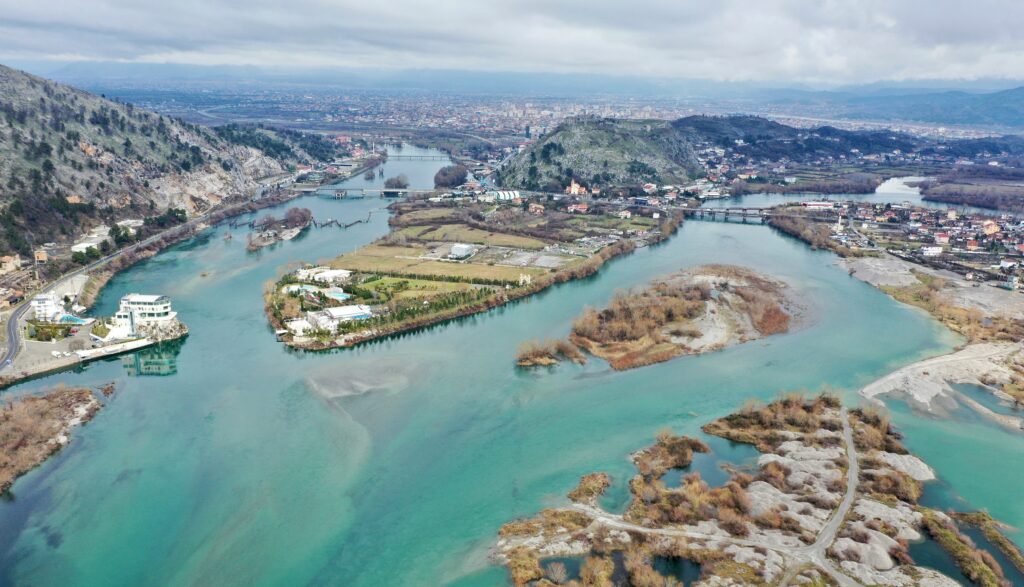
Shkoder Albania is one of Albania’s most compelling cities and one of the least-visited by travelers who have not yet discovered how much the country has to offer. As the gateway to the Albanian Alps and the country’s ancient cultural capital, Shkoder combines a well-preserved old city, fascinating history stretching back thousands of years, excellent street food, and a location that makes it ideal as a base for exploring northern Albania. This guide covers everything you need to know about visiting Shkoder, from the best things to do and where to eat, to practical transport information and budget tips.
Why Visit shkoder albania?
Shkoder Albania sits at a geographic and cultural crossroads that gives it a character unlike any other Albanian city. It has been continuously inhabited for over 2,000 years, served as a major Illyrian, Roman, Venetian, and Ottoman center, and survived decades of isolation under communist rule. That layered history is visible in its architecture, its food, its art, and its people.
Travelers who visit Albania for Tirana and Berat often skip Shkoder entirely. That is a mistake. The city has a genuinely liveable, unhurried atmosphere, excellent value for money, and access to some of the most dramatic mountain scenery in the western Balkans. It is also one of the few places in Albania where you can walk an animated, well-maintained pedestrian street filled with cafes, street art, and local life without any tourist infrastructure around you.
Shkoder at a Glance
- Population: approximately 95,000
- Location: northwestern Albania, near the border with Montenegro and Kosovo
- Size: sixth largest city in Albania
- Nickname: gateway to the Albanian Alps
- Lake Shkodra: the largest lake in the Balkans, shared with Montenegro, sits near the city
- Currency: Albanian Lek (ALL). Many places also accept euros.
- Distance from Tirana: approximately 110 kilometers, 2 to 2.5 hours by bus
Top Things to Do in shkoder albania
Rozafa Castle
Rozafa Castle is the unmissable highlight of Shkoder and one of the most important archaeological sites in Albania. Built on a rocky hill where the Buna, Drin, and Kiri rivers converge, the castle dates back to at least the 4th century BC, with Illyrian foundations visible beneath later Venetian and Ottoman construction.
The panoramic views from the top over the rivers, Lake Shkodra, and the mountains are exceptional. Allow at least 90 minutes to explore the walls, towers, and the small museum inside. The castle is most impressive in the late afternoon light.
Kole Idromeno Street
Shkoder’s main pedestrian street, named after a celebrated 19th and 20th century Albanian painter, is the social heart of the city. Lined with cafes, restaurants, shops, and outdoor seating, it comes alive in the early evening when locals gather for the traditional xhiro, the Albanian evening walk.
The architecture along the street reflects the city’s layered history, with Ottoman-era buildings alongside later European-influenced facades. Street art appears throughout the surrounding side streets, much of it high quality and covering political, cultural, and historical themes.
Venice Art Mask Factory
The Venice Art Mask Factory is one of Shkoder’s most surprising and delightful attractions. Located a couple of kilometers from the city center, it was established by Albanian artisan Edmond Angoni, who emigrated to Italy in the 1990s to learn the craft of traditional Venetian mask making before returning to Albania to set up this workshop.
There is no entry fee. Visitors are shown through a large, elaborately decorated workshop space filled with handmade masks, some created for films. Local craftspeople work on-site. Even without purchasing anything, the visit is worthwhile for the sheer visual impact of the space. The walk from the center is unremarkable, but the destination justifies it.
Historical Museum of Shkoder Albania
The Historical Museum covers Shkoder’s extraordinary long history from prehistoric times through the Illyrian, Roman, Byzantine, Venetian, and Ottoman periods to the 20th century. Exhibits include archaeological finds from Rozafa Castle and documentation of the communist era that followed World War II.
Shkoder was a major center of Albanian intellectual and cultural life in the 19th century, and the museum reflects this through its coverage of the Albanian National Awakening period.
Marubi National Museum of Photography
The Marubi Museum houses one of the most significant photography collections in the Balkans. The Marubi dynasty of photographers documented Albanian life from the 1850s onward, creating an unparalleled visual archive of a society that was largely inaccessible to the outside world for much of the 20th century.
The museum is housed in a beautifully restored building and regularly hosts temporary exhibitions alongside the permanent Marubi collection. Check opening hours before visiting as they can vary seasonally.
Shatervani Park
Shatervani Park, adjacent to the Grand Hotel Europa, is a pleasant green space worth a short visit for several memorials it contains. A monument to the victims of communist persecution stands in the park, providing a sobering reminder of the brutal period of Enver Hoxha’s rule from 1944 to 1985.
The park also contains the Hasan Riza Pasha monument, built by the Turkish government in 2007 to commemorate the Ottoman governor of Shkoder who was assassinated during the Balkan Wars in 1913, and a statue of Luigj Gurakuqi, the Albanian writer and activist born in Shkoder who was killed in 1925.
Ebu Bekr Mosque
The Ebu Bekr Mosque near the city center was built between 1994 and 1995 on the site of an original mosque that was demolished during the communist era when all religious practice was banned. Albania became the world’s first officially atheist state in 1967 under Hoxha’s regime, and thousands of religious buildings were destroyed or repurposed.
The mosque’s relatively recent construction is itself a symbol of post-communist religious revival. Shkoder has historically been religiously diverse, with Muslim, Catholic, and Orthodox communities coexisting in the city.
Lake Shkodra
Lake Shkodra is the largest lake in the Balkans, shared between Albania and Montenegro, and offers birdwatching, cycling, and boat trips. The lake is home to over 270 bird species including pelicans, cormorants, and herons.
Importantly, the lake is not directly adjacent to the city despite what many travelers assume. Getting there requires either renting a bicycle, hiring a taxi, or joining an organized tour. The bike ride takes approximately 30 to 40 minutes from the city center. Several hotels and hostels offer bicycle rentals. The lakeside village of Shiroka is a popular destination for lunch and a swim.
Where to Eat and Drink in Shkoder
Restaurant Tradita
Hotel Tradita is one of Shkoder’s most atmospheric dining experiences, operating from a building that dates back to 1694. The interior is filled with historic photographs, traditional Albanian artefacts, and wooden architecture that creates a genuinely immersive setting.
The menu focuses on traditional Albanian cuisine. Prices are very reasonable by any Western standard. A full dinner with wine typically costs between 800 and 1200 lek per person, roughly 7 to 11 US dollars. Booking ahead for dinner is advisable in summer.
Coffee Culture
Albanians take coffee seriously and Shkoder is no exception. The tradition of serving espresso with a small glass of cold water and often a piece of Turkish delight or a small sweet is widespread. Cafes along Kole Idromeno Street offer excellent coffee at prices that will seem remarkably low to visitors from Western Europe or North America. Budget 60 to 100 lek (under one dollar) for a good espresso.
Hotel Terrace Bars
Several of Shkoder’s hotels open their terrace bars to non-staying guests, and this is one of the city’s best budget tips. The rooftop terrace of Hotel Colosseo offers excellent views over the city center. A local Albanian beer and snacks on a 5th floor terrace with mountain views costs around 250 to 300 lek, well under three dollars. Korca is the most popular Albanian beer and is widely available.
Where to Stay in Shkoder
Shkoder has good accommodation options across all budget levels. The city is not a major tourist destination yet, which keeps prices very reasonable.
Budget
Guesthouses and small hotels in Shkoder typically charge 20 to 35 euros per night for a single or double room. At this price point, clean rooms, included breakfast, and helpful local knowledge from owners is standard. Many properties offer bicycle loans, which is particularly useful for reaching Lake Shkodra.
Mid-Range
The 40 to 80 euro range provides comfortable, well-located hotels with good facilities. Properties near Kole Idromeno Street put you within walking distance of restaurants, cafes, and the main sights.
What to Expect
Shkoder’s hospitality culture is genuinely warm. It is common for small guesthouses to upgrade guests to larger rooms at no extra charge, serve generous breakfasts, and provide practical local advice that improves a visit significantly. A typical breakfast in a good guesthouse includes a freshly cooked egg dish, local cheese, fresh bread, pastries, fruit, juice, and coffee.
How to Get to Shkoder from Tirana
By Bus from Tirana
The most practical way to travel between Tirana and Shkoder is by bus. Buses depart from Tirana’s regional bus terminal, which is outside the city center. From central Tirana, take a local bus to the terminal first.
Local city buses in Tirana cost 40 lek per journey. The bus number system can be confusing as not all buses display their numbers prominently. Bus 5B and several other routes serve the regional terminal. If in doubt, board a bus headed toward the terminus and confirm the destination with the driver.
The regional bus terminal is a large open-air area with approximately 200 buses heading to destinations across Albania and neighboring countries. Buses to Shkoder are clearly marked with destination signs in the windshield. The fare to Shkoder is 500 lek per person, paid to a fare collector who comes down the aisle approximately 20 minutes before arrival.
Journey time is approximately 2 to 2.5 hours depending on traffic. Buses have air conditioning and reasonably comfortable seating.
By Car
The drive from Tirana to Shkoder follows the SH1 national road and takes approximately 1.5 hours in light traffic. The road passes through interesting landscape and several towns. Having a car gives you flexibility to reach Lake Shkodra and start day trips into the Accursed Mountains without relying on public transport.
From Montenegro
Shkoder is the natural first stop for travelers entering Albania from Montenegro. The border crossing at Hani i Hotit is the most common entry point from the Montenegrin side. Buses connect Shkoder to Podgorica and Ulcinj. The border crossing is straightforward for most Western passport holders.
Day Trips from Shkoder
The Albanian Alps (Accursed Mountains)
The Accursed Mountains, known in Albanian as the Bjeshket e Namuna, rise dramatically to the northeast of Shkoder and contain some of the most spectacular mountain scenery in Europe. The region remained almost completely isolated until the early 2000s.
Valbona Valley National Park and Theth are the main destinations, connected by a famous multi-day hiking route. Day trips from Shkoder to Theth are possible, though staying overnight allows for a far richer experience. The Valbona-Theth hike is one of the highlights of the Western Balkans for serious walkers.
Lake Shkodra and Shiroka Village
The lakeside village of Shiroka is the closest point on Lake Shkodra to the city, reachable by bicycle in approximately 30 to 40 minutes or by taxi. Fish restaurants along the lakeside serve locally caught carp and other freshwater fish at very reasonable prices. The lake views are pleasant and the atmosphere relaxed.
Mes Bridge
The Ura e Mesit, or Bridge of Mes, is a well-preserved Ottoman-era stone arch bridge built in the 18th century over the Kiri River, approximately seven kilometers from Shkoder. The setting, with the bridge framed by mountains, is particularly photogenic in the morning light. It is a short taxi ride or an easy bicycle journey from the city.
Practical Tips for Visiting Shkoder
- Cash is essential. While larger hotels accept cards, most restaurants, cafes, and small businesses operate on cash only. ATMs are available in the center.
- Euros are accepted in many places alongside Albanian Lek, but you will always get slightly better value paying in Lek.
- Bicycle rental from hotels is the best way to reach Lake Shkodra and explore the surrounding countryside.
- The city is very safe for solo travelers including solo women. The local culture is hospitable and curious about visitors.
- One full day is enough to see the city’s highlights. Two days allows for a day trip to the lake or mountains.
- Afternoon thunderstorms are common in summer, particularly over the mountains. Plan outdoor activities for the morning.
- Visit hotel terrace bars for city views without accommodation costs.
Frequently Asked Questions
Is Shkoder worth visiting?
Yes. Shkoder is genuinely underrated and offers a combination of history, culture, food, and natural access that most Albania itineraries miss. It works as both a destination in its own right and a base for exploring northern Albania. The city has not been heavily tourist-developed, which means prices are low and the atmosphere is authentic.
How long should I spend in Shkoder?
One full day covers the main city sights comfortably. Two days allows time for a visit to Lake Shkodra and a day trip toward the mountains. Three days or more makes sense if you want to use Shkoder as a base for hiking in the Albanian Alps.
Is Shkoder safe for tourists?
Yes. Albania in general and Shkoder specifically have a well-deserved reputation for hospitality and safety toward travelers. Solo travel including solo female travel is common and well-supported. Standard travel awareness applies, but Shkoder presents no specific safety concerns beyond those of any European city.
What is Shkoder famous for?
Shkoder is historically significant as one of the oldest cities in the Balkans and the cultural capital of northern Albania. It is famous for Rozafa Castle, its photography tradition through the Marubi dynasty, its role in Albanian national history, and its position as the gateway to the Albanian Alps. It is also one of the bicycle capitals of Albania.
How far is Shkoder from Tirana?
Shkoder is approximately 110 kilometers north of Tirana. By bus the journey takes 2 to 2.5 hours depending on traffic. By car in light traffic the drive takes approximately 1.5 hours.
Final Thoughts
Shkoder Albania rewards visitors who make the effort to include it in their itinerary. The combination of a genuinely ancient city, a relaxed and authentic atmosphere, exceptional value for money, and access to some of the most dramatic mountain scenery in Europe makes it one of the most compelling stops in the Western Balkans.
Visit before it becomes widely discovered. The traveler who arrives in Shkoder today experiences something that other European destinations lost years ago: a city that is living its normal life and is genuinely pleased to welcome visitors into it.