
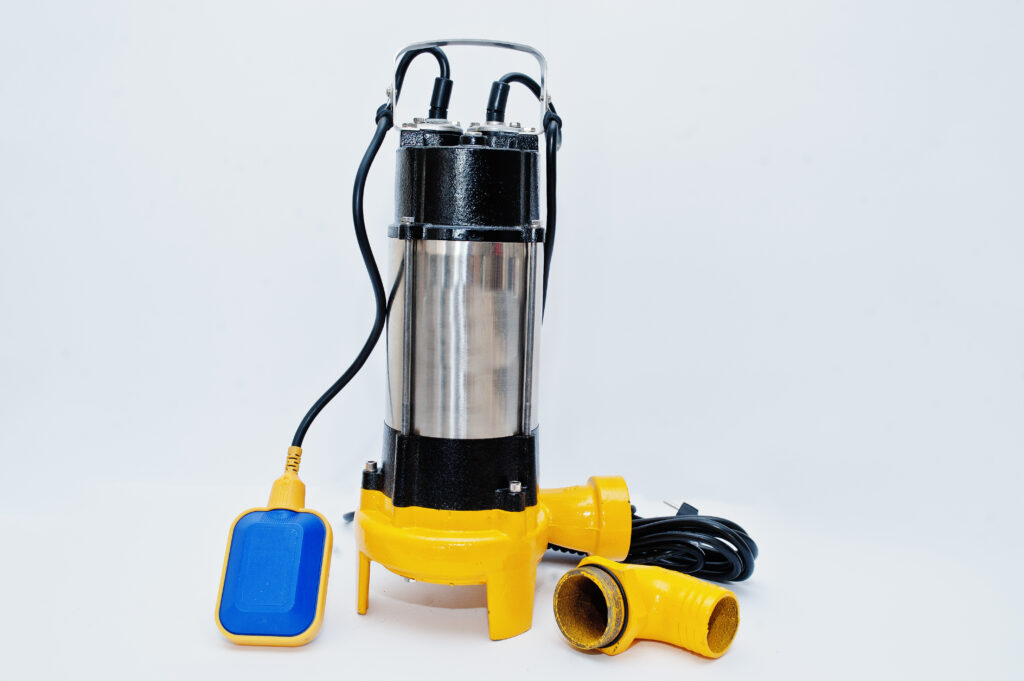
A deep well water pump is the mechanical heart of any private well water system. If you rely on a well for your home’s water supply, understanding how your deep well water pump works is not just interesting — it is genuinely useful. It helps you recognize early warning signs of problems, know when to call a professional, and make informed decisions about maintenance and replacement. This guide covers everything: how the two main pump types work, how the pressure system operates, what can go wrong, and how to keep your system running reliably for decades.
What Is a Deep Well Water Pump?
A deep well water pump is a mechanical device that draws groundwater from a drilled well and delivers it to a home or building under pressure. The term ‘deep well’ typically refers to wells where the water table sits more than 25 feet below the surface — the practical limit for surface-mounted jet pumps.
Deep wells in the US commonly range from 100 to 400 feet deep, though some reach 1,000 feet or more in areas with low water tables. The pump must move water from this depth through the well casing, into a pressure tank, and then through the home’s plumbing system at consistent pressure.
According to the US Environmental Protection Agency, approximately 13 million households in the US rely on private wells for their drinking water, and nearly all of them use an electric pump system of one type or another.
Two Types of Deep Well Water Pump Systems
Two fundamentally different pump technologies serve deep well applications. Each has specific depth limitations, installation requirements, and maintenance considerations.
Submersible Pumps
A submersible deep well water pump is the dominant technology for modern deep well systems. The entire pump and motor assembly is installed inside the well casing, submerged below the water level — often 10 to 20 feet below the standing water surface.
The motor is hermetically sealed in a waterproof housing and cooled by the water flowing past it. An impeller — a rotating disc with curved vanes — spins at high speed and pushes water upward through a series of stages. Each stage adds pressure, allowing the pump to lift water from depths that would be impossible for a single impeller design.
Multistage submersible pumps used for deep wells commonly have 5 to 15 impeller stages stacked in series. Each stage multiplies the pressure, enabling the pump to deliver water from 200, 300, or even 400 feet below ground.
Power is delivered through a waterproof electrical cable running from the surface control box down the well casing to the submerged motor. A drop pipe carries water from the pump up to the surface.
- Depth capability: 25 feet to 400+ feet
- Typical lifespan: 15 to 25 years
- Flow rate: 5 to 25 gallons per minute for residential systems
- Main advantage: efficient, quiet, capable of very deep installations
- Main limitation: requires pulling the pump from the well for repairs
Deep Well Jet Pumps
A deep well jet pump is mounted above ground — usually in a pump house or basement — but uses a jet assembly (ejector) installed below the water surface in the well. Two pipes run down the well: one carries pressurized water down to the jet ejector, and the other returns water mixed with additional groundwater back up to the surface.
The jet works on the Venturi principle. Pressurized water is forced through a narrow nozzle, creating a high-velocity stream that generates a low-pressure zone. This low pressure draws surrounding groundwater into the flow, and the combined stream returns to the surface pump where it is re-pressurized and delivered to the home.
Deep well jet pumps are practical for depths between 25 and 90 feet. Beyond that, the pressure losses in the two-pipe system make them inefficient compared to submersible pumps.
- Depth capability: 25 to 90 feet
- Typical lifespan: 10 to 15 years
- Main advantage: motor is above ground and accessible for servicing
- Main limitation: less efficient, limited depth, requires priming if run dry
How the Deep Well Water Pump System Works Step by Step
The pump itself is only one component of a complete well water system. Understanding how the entire system operates helps you identify which component is causing a problem when something goes wrong.
Step 1: The Pressure Switch Activates the Pump
The system is controlled by a pressure switch connected to the pressure tank. This switch monitors the water pressure in the system at all times. Most residential systems are set to a cut-in pressure of 30 PSI (pump turns on) and a cut-out pressure of 50 PSI (pump turns off). These are the standard 30/50 settings, though 40/60 settings are used in homes that need higher pressure.
When you open a faucet or flush a toilet, water leaves the pressure tank and system pressure drops. When pressure falls below 30 PSI, the pressure switch closes the electrical circuit and the pump motor starts.
Step 2: The Pump Draws Water from the Aquifer
The electric motor drives the impeller or jet assembly, creating the pressure differential needed to move water from the aquifer — the underground water-bearing rock or sediment layer — up through the well casing to the surface.
Water enters the submersible pump through a screen filter at the bottom of the pump body, which prevents sand and sediment from entering the impeller stages. The pump moves water upward at a rate determined by its horsepower and impeller design — typically 10 to 15 gallons per minute for a standard 3/4 or 1 horsepower residential pump.
Step 3: Water Fills the Pressure Tank
Water pumped from the well flows into the pressure tank before it enters the home’s plumbing. The pressure tank contains a rubber bladder or diaphragm that separates the water side from an air charge side.
As water enters, it compresses the air charge in the tank. This stored pressure allows the system to deliver water to faucets without the pump cycling on for every small draw — a critical function that prevents short-cycling (the pump starting and stopping too frequently), which is one of the leading causes of premature pump failure.
Step 4: Pressure Reaches Cut-Out Level and Pump Stops
As the tank fills and pressure rises to the cut-out setting (50 or 60 PSI), the pressure switch opens the circuit and the pump motor stops. The pressurized water in the tank now supplies the home whenever a fixture is used, without the pump running.
This cycle — pump on at 30 PSI, pump off at 50 PSI — repeats throughout the day based on household water use. A properly sized system will cycle the pump approximately 5 to 10 times per hour under normal use. More frequent cycling indicates a problem.
Deep Well Water Pump Sizing: What You Need to Know
Choosing the right pump size matters significantly for long-term reliability and efficiency. An undersized pump cannot keep up with household demand. An oversized pump cycles too frequently and wears out faster.
The two key sizing factors are flow rate (gallons per minute) and total dynamic head (the total pressure the pump must overcome, accounting for depth plus friction losses in the pipe).
- Small home (1–2 bathrooms): 7–10 GPM pump
- Medium home (3–4 bathrooms): 10–15 GPM pump
- Large home or irrigation use: 15–25 GPM pump
Well depth also determines the required horsepower. A pump serving a 100-foot well requires less motor power than one serving a 300-foot well delivering the same flow rate. A licensed well contractor calculates total dynamic head for each specific installation.
Common Deep Well Water Pump Problems and What They Mean
Pump Runs Constantly Without Building Pressure
If the pump motor runs continuously but pressure does not reach the cut-out level, several causes are possible. The well may have low yield — not producing water fast enough to keep up with demand. The pump impeller may be worn. There may be a leak in the drop pipe inside the well. Or the pump may be air-locked.
Pump Short-Cycles Rapidly
If the pump turns on and off every few seconds, the pressure tank is the likely culprit. The air charge in the bladder tank has been lost, so there is no stored pressure buffer and the pump responds to every tiny pressure drop. This is called short-cycling and it dramatically shortens pump motor life. The pressure tank should be checked and the air charge replenished or the tank replaced.
No Water at Faucets
Complete loss of water most commonly indicates a failed pump motor, a tripped circuit breaker, a broken drop pipe, or a well that has gone dry temporarily. Check the breaker first. If the pump hums but does not deliver water, the motor may be running but the impeller is stuck or the pump has lost prime.
Dirty, Sandy, or Discolored Water
Sand or sediment in the water usually means the pump intake screen is damaged or the pump has shifted and is drawing from near the bottom of the well where sediment collects. Discolored water can also indicate a failing pump seal or changes in the aquifer. The US EPA recommends testing private well water annually for bacteria and nitrates, and whenever the water changes in appearance, taste, or odor.
Pressure Fluctuates Wildly
Inconsistent pressure — strong then weak repeatedly — during use usually points to a waterlogged pressure tank (no air charge remaining) or a partially failing pressure switch. Both are relatively straightforward repairs.
Deep Well Water Pump Maintenance: Extending System Life
A well-maintained deep well water pump system can last 20 to 25 years. Neglected systems often fail within 10 years. These are the most important maintenance tasks.
- Test well water annually: Have water tested for bacteria, nitrates, pH, and hardness. Test more frequently if you notice changes in taste, color, or odor. The EPA provides guidance on what to test for and how often.
- Check pressure tank air charge annually: With the pump off and all pressure relieved, use a tire gauge on the Schrader valve to check the pre-charge pressure. It should be 2 PSI below the cut-in pressure (28 PSI for a 30/50 system).
- Inspect the wellhead: Check the well cap and casing for cracks, insect entry, or surface water infiltration. A compromised wellhead is the most common cause of bacterial contamination in private wells.
- Monitor pump cycling: Note how often the pump cycles during normal household use. A sudden change in cycling frequency is often the first sign of a developing problem.
- Check electrical connections: Have a licensed electrician or well contractor inspect the pressure switch, control box, and wiring connections every 5 years. Corrosion at electrical connections is a common cause of pump failure.
- Keep records: Document installation dates, pump specifications, repair history, and water test results. This information is essential for efficient troubleshooting and when selling a property.
How Long Does a Deep Well Water Pump Last?
A quality submersible deep well water pump installed properly in a suitable well should last 15 to 25 years. Some last longer with good maintenance and favorable water conditions. Jet pumps typically have a shorter service life of 10 to 15 years.
Factors that shorten pump life include frequent short-cycling (pressure tank problems), running dry (well yield problems), abrasive sand in the water, high mineral content causing scale buildup, and corrosive water chemistry. Addressing these root causes is as important as choosing a quality pump.
When a submersible pump does fail, replacement requires pulling the pump from the well — a job for a licensed well contractor with the right equipment. The drop pipe, electrical cable, and safety rope must all be pulled out before the pump can be accessed, inspected, and replaced.
Frequently Asked Questions
How deep can a deep well water pump reach?
Submersible deep well water pumps can operate at depths of 400 feet or more in residential applications. Deep well jet pumps are limited to approximately 90 feet. For very deep wells (400 to 1,000+ feet), high-pressure multistage submersible pumps with heavier-gauge drop pipe and cable are used.
What is the difference between a shallow well and a deep well pump?
A shallow well pump — typically a single-pipe jet pump — is designed for water tables less than 25 feet below the surface. It mounts above ground and draws water up using suction. A deep well pump handles water tables deeper than 25 feet. For depths beyond 25 feet, a submersible pump or two-pipe deep well jet pump is required because single-pipe suction systems cannot overcome the atmospheric pressure limitation at greater depths.
How do I know if my deep well pump is failing?
Common warning signs include: reduced water pressure throughout the house, the pump running for unusually long periods, rapid on-off cycling, spitting air from faucets, sand or sediment in the water, no water at all, and unusually high electricity bills. Any of these symptoms warrants a professional inspection sooner rather than later, as operating a failing pump to complete failure often causes additional damage to the drop pipe and electrical connections.
How much does it cost to replace a deep well water pump?
Submersible deep well pump replacement typically costs $800 to $2,500 for a residential system including parts and labor. Cost increases with well depth because pulling the pump from greater depth takes more time and equipment. Jet pump replacement is generally $400 to $1,200 since the pump is accessible above ground. These figures are estimates and vary significantly by region and specific well conditions.
Does a deep well pump need a pressure tank?
Yes. A pressure tank is an essential component of any deep well water pump system. Without it, the pump would cycle on and off with every tiny drop in pressure — dozens of times per hour during normal use. This short-cycling destroys pump motors quickly. The pressure tank stores pressurized water to buffer demand, reducing cycling frequency and extending pump life substantially.
Final Thoughts
A deep well water pump system is one of the most reliable and low-maintenance home utilities available — when it is properly installed, correctly sized, and given basic annual attention. Understanding how your system works puts you in a much better position to catch problems early, communicate effectively with contractors, and make informed decisions about maintenance and replacement.
The most important things to remember: test your water annually, keep the wellhead protected from surface contamination, monitor your pump’s cycling behavior, and maintain the pressure tank air charge. Follow these basics and a quality deep well water pump will serve your home reliably for twenty years or more.