
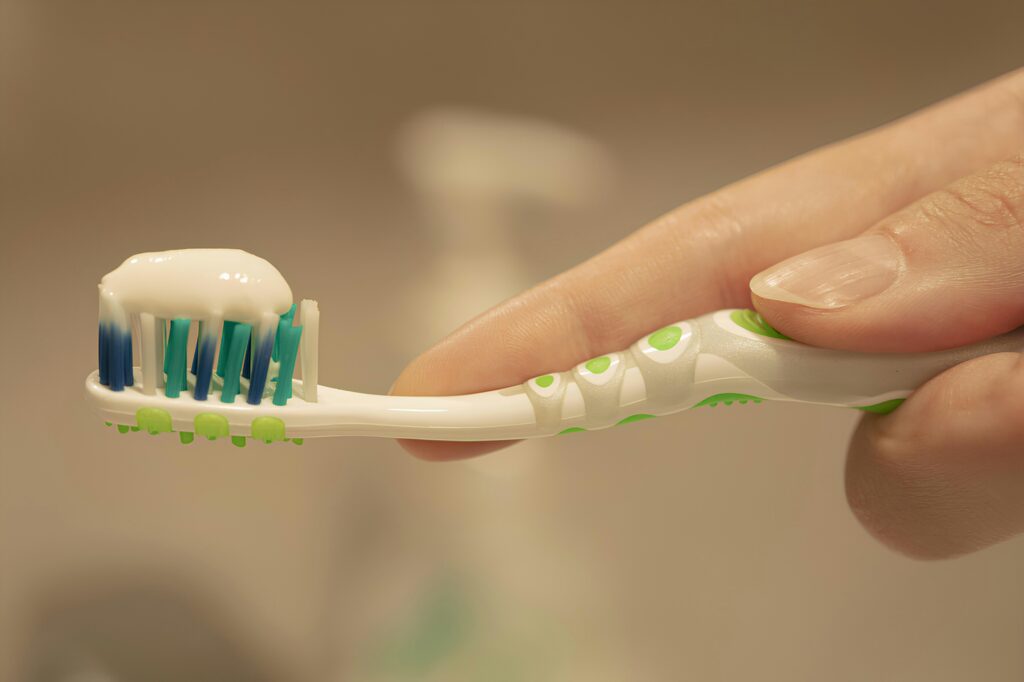
Finding the right dentist recommended toothpaste can feel overwhelming when the shelves hold dozens of options all promising the same results. The reality is that the best toothpaste for you depends on your specific dental profile — whether your primary concern is cavity prevention, tooth sensitivity, whitening, gum health, or finding a more natural formula. This guide breaks down 12 of the most clinically effective and dentist-recommended toothpastes for 2026, explains the key ingredients to look for, and helps you match the right product to your needs.
What Makes a Toothpaste Dentist Recommended?
The term ‘dentist recommended’ has specific meaning in the oral care industry. The most credible marker is the ADA Seal of Acceptance — a voluntary certification from the American Dental Association awarded to products that meet rigorous standards for safety and effectiveness. Products carrying this seal have provided clinical and laboratory evidence demonstrating their claims.
According to the ADA, all toothpastes claiming cavity protection and bearing the ADA Seal must contain fluoride. Beyond the seal, dentists evaluate toothpastes based on their active ingredient profile, abrasiveness (measured as Relative Dentin Abrasivity or RDA), and whether the formula addresses specific conditions without causing harm with long-term use.
The right toothpaste for a patient with enamel erosion is different from the right toothpaste for someone with healthy teeth who simply wants mild whitening. This guide organizes recommendations by primary dental concern so you can identify which product category applies to you.
Key Toothpaste Ingredients Explained
Understanding these core ingredients helps you evaluate any toothpaste, not just the ones on this list.
Fluoride
Fluoride is the most important ingredient in cavity-protective toothpaste. It works by strengthening tooth enamel through remineralization — replacing minerals lost during acid attacks from food and bacteria — and by directly inhibiting the bacteria that cause cavities. Standard adult toothpastes contain 1,000 to 1,500 ppm (parts per million) of fluoride. Prescription-strength toothpastes can contain up to 5,000 ppm for patients at high cavity risk.
Fluoride is effective, safe, and universally recommended for adults. For children under 3, a rice-grain amount of fluoride toothpaste is recommended; ages 3 to 6 should use a pea-sized amount.
Nano-Hydroxyapatite (n-HA)
Nano-hydroxyapatite is a newer alternative to fluoride gaining growing clinical support. It is a biocompatible mineral that makes up the primary component of natural tooth enamel and dentin. Studies suggest n-HA can remineralize early enamel lesions and reduce sensitivity comparably to fluoride in some contexts. It is a strong choice for patients seeking fluoride-free options, though fluoride remains the more established option with the broader evidence base.
Potassium Nitrate and Stannous Fluoride (for Sensitivity)
Potassium nitrate reduces sensitivity by calming the nerves inside the tooth. Stannous fluoride (a specific type of fluoride) blocks exposed dentinal tubules — the microscopic channels that connect the tooth surface to the nerve — reducing the pain triggered by hot, cold, or sweet foods. Both are used in sensitivity-specific toothpastes.
Abrasives (RDA)
Abrasives like hydrated silica, calcium carbonate, and dicalcium phosphate physically scrub surface stains and plaque from teeth. Abrasiveness is rated by Relative Dentin Abrasivity (RDA) — toothpastes with RDA under 70 are considered low-abrasion, under 150 are safe for daily use according to the ADA, and above 150 should be used with caution. Whitening toothpastes tend to have higher RDA values; sensitivity and enamel-protection toothpastes tend to be low-abrasion.
Antimicrobials (Triclosan, Zinc Citrate, Cetylpyridinium Chloride)
Antimicrobial ingredients reduce the bacteria that cause plaque and gingivitis. Zinc citrate is used in natural formulas. Cetylpyridinium chloride (CPC) is common in anti-plaque toothpastes. Note: triclosan, previously common, has been removed from most US toothpastes following FDA regulatory changes.
SLS (Sodium Lauryl Sulfate)
SLS is a foaming agent that helps distribute toothpaste evenly across the mouth. It is safe for most people but can trigger mouth sores (aphthous ulcers) in sensitive individuals. SLS-free toothpastes are available and recommended for patients who experience recurrent canker sores.
12 Best Dentist Recommended Toothpastes for 2026
Best for Sensitive Teeth
1. Sensodyne Pronamel Gentle Whitening
Best for: Enamel protection + sensitivity + mild whitening
Sensodyne Pronamel is consistently one of the most recommended toothpastes by dentists for patients with acid erosion and sensitivity. The formula uses potassium nitrate for nerve calming alongside a low-abrasion base specifically designed to remineralize and harden softened enamel. The gentle whitening component removes surface stains without the aggressive abrasives that can worsen enamel wear.
Sensodyne Pronamel is particularly appropriate for patients who consume acidic foods and drinks — citrus, soda, wine, coffee — and notice increasing sensitivity over time. It carries the ADA Seal of Acceptance.
- Key ingredients: Potassium nitrate 5%, sodium fluoride 0.25%
- ADA Seal: Yes
- Best avoided by: Patients needing significant whitening results
2. Colgate Sensitive Pro-Relief
Best for: Immediate sensitivity relief
Colgate Sensitive Pro-Relief uses arginine and calcium carbonate technology to actively plug exposed dentinal tubules rather than just calming nerves. Clinical research suggests this approach provides faster sensitivity relief than potassium nitrate-based formulas for some patients. For people with acute sensitivity who need more immediate relief, it is a strong alternative to Sensodyne.
- Key ingredients: Arginine 8%, calcium carbonate, sodium monofluorophosphate
- ADA Seal: Yes
Best for Cavity Prevention
3. Crest Pro-Health Advanced Deep Clean Mint
Best for: Complete cavity + gum + breath protection
Crest Pro-Health Advanced is one of the strongest all-around cavity protection toothpastes available without a prescription. Its stannous fluoride formula simultaneously fights cavities, reduces plaque and gingivitis, whitens surface stains, and freshens breath. Stannous fluoride is more effective against gum disease than standard sodium fluoride, which makes Pro-Health Advanced particularly useful for patients whose dentist has noted early signs of gingivitis alongside cavity risk.
- Key ingredients: Stannous fluoride 0.454%
- ADA Seal: Yes
- Note: Stannous fluoride can occasionally cause temporary tooth staining with long-term use in some patients
4. Colgate Total Whitening Gel
Best for: Antibacterial protection + whitening
Colgate Total has been a dentist-recommended standard for decades. The reformulated version (post-triclosan removal) uses zinc phosphate as its antimicrobial agent alongside sodium fluoride for cavity protection. It defends against cavities, plaque, tartar, gingivitis, and bad breath while providing cosmetic whitening benefit. Its gel texture distributes evenly, making it a comfortable everyday choice for most adults.
- Key ingredients: Sodium fluoride 0.243%, zinc phosphate
- ADA Seal: Yes
Best Whitening Toothpastes
5. Marvis Whitening Mint
Best for: Whitening + premium experience
Marvis Whitening Mint is an Italian premium toothpaste with strong aesthetic appeal alongside genuine whitening functionality. Its rich, creamy texture and distinctive flavor profile make it popular with patients who find brushing an unpleasant chore. The whitening formula is effective at surface stain removal from coffee, tea, and food without extreme abrasiveness. It does not carry the ADA Seal (as a European product) but uses established fluoride and silica-based whitening ingredients.
- Key ingredients: Sodium monofluorophosphate, hydrated silica
- ADA Seal: No (European product)
6. Arm & Hammer Advanced White Extreme Whitening
Best for: Value whitening + baking soda cleaning
Arm & Hammer’s baking soda-based formula is one of the most effective budget whitening options. Baking soda (sodium bicarbonate) is a low-abrasion polisher that effectively removes surface stains while being gentler on enamel than many silica-based whitening pastes. Studies published in the Journal of Clinical Dentistry have found baking soda toothpastes superior to non-baking-soda formulas for plaque removal. The Arm & Hammer Advanced White version adds peroxide for additional whitening action.
- Key ingredients: Sodium bicarbonate, hydrogen peroxide, sodium fluoride
- ADA Seal: Yes
Best Natural and Fluoride-Free Toothpastes
7. Boka Ela Mint Toothpaste (nano-hydroxyapatite)
Best for: Fluoride-free enamel remineralization
Boka uses nano-hydroxyapatite (n-HA) as its primary active ingredient in place of fluoride. n-HA is biocompatible with natural tooth structure and has growing clinical evidence supporting its effectiveness at remineralizing early enamel lesions and reducing sensitivity. It is an excellent choice for patients who avoid fluoride for personal reasons, parents seeking fluoride-free options for young children, or individuals with conditions that require limiting fluoride intake.
Important caveat: The evidence base for fluoride in cavity prevention is significantly larger and older than that for n-HA. If cavity prevention is your primary concern, discuss the comparison with your dentist before switching.
- Key ingredients: Nano-hydroxyapatite 15%, xylitol, aloe vera
- ADA Seal: No (fluoride-free products are ineligible for the cavity-protection seal)
8. Hello Naturally Whitening Fluoride Toothpaste
Best for: SLS-free + sensitive gums + natural ingredients
Hello’s naturally-derived formula is SLS-free, making it appropriate for patients who experience recurring canker sores or gum irritation linked to sodium lauryl sulfate. It uses aloe vera and tea tree oil alongside standard fluoride for cavity protection. The whitening action is gentle — suitable for daily use without sensitivity concerns. This is among the most accessible ‘cleaner label’ toothpastes that retains the fluoride content dentists recommend.
- Key ingredients: Sodium fluoride, aloe vera, tea tree oil, xylitol
- ADA Seal: Yes (fluoride version)
9. Tom’s of Maine Natural Anti-Plaque Toothpaste
Best for: Natural ingredients + plaque control + eco-conscious consumers
Tom’s of Maine is the most widely available natural toothpaste brand and the one with the strongest clinical documentation behind it. The anti-plaque formula uses zinc citrate as its antimicrobial agent and plant-derived abrasives for cleaning. Available in both fluoride and fluoride-free versions, it gives patients flexibility while maintaining adequate cleaning efficacy. The fluoride version carries the ADA Seal.
- Key ingredients: Zinc citrate, sodium monofluorophosphate (fluoride version), hydrated silica
- ADA Seal: Yes (fluoride version only)
Best for Bad Breath
10. TheraBreath Fresh Breath Toothpaste
Best for: Chronic bad breath (halitosis)
TheraBreath is specifically formulated to address the bacterial cause of halitosis rather than masking it with flavoring. Its oxygenating formula targets anaerobic sulphur-producing bacteria — the microorganisms responsible for the volatile sulphur compounds that cause bad breath. It is alcohol-free, reducing the oral dryness that can worsen bad breath. For patients who consistently struggle with halitosis despite good oral hygiene, TheraBreath is the most targeted over-the-counter option available.
- Key ingredients: OXYD-8 (stabilized chlorine dioxide), sodium fluoride, zinc
- ADA Seal: Yes
- Note: Persistent bad breath despite good hygiene should be evaluated by a dentist — it can indicate underlying gum disease or systemic conditions
Best for Gum Health
11. Parodontax Active Gum Health
Best for: Gingivitis + bleeding gums + gum disease prevention
Parodontax is the most dentist-recommended toothpaste specifically for patients showing signs of gum disease. Its stannous fluoride formula has strong clinical evidence for reducing gingival bleeding and plaque buildup along the gumline. A 12-week clinical study found stannous fluoride toothpaste significantly more effective at reducing gingival bleeding than regular sodium fluoride formulas.
If your dentist has mentioned gingivitis, bleeding on probing, or early periodontal concerns at a cleaning, Parodontax is the appropriate over-the-counter starting point alongside improved flossing.
- Key ingredients: Stannous fluoride 0.454%, sodium bicarbonate
- ADA Seal: Yes
Best for Dry Mouth
12. Biotène Fluoride Toothpaste for Dry Mouth
Best for: Dry mouth (xerostomia) + cavity prevention
Dry mouth significantly increases cavity risk because saliva neutralizes acids and washes away food debris. Biotène is formulated specifically for dry mouth patients — it contains enzymes that support the mouth’s natural defense system and is SLS-free to avoid further drying. It includes fluoride for cavity protection, which is especially important in dry mouth patients who face higher cavity risk. It is commonly recommended by dentists for patients taking medications that cause dry mouth as a side effect.
- Key ingredients: Sodium fluoride 0.243%, glucose oxidase, lactoperoxidase
- ADA Seal: Yes
How to Choose the Right Toothpaste for Your Needs
By Primary Concern
- Tooth sensitivity: Sensodyne Pronamel or Colgate Sensitive Pro-Relief
- Cavity prevention only: Crest Pro-Health Advanced or Colgate Total
- Gum disease / gingivitis: Parodontax Active Gum Health
- Bad breath: TheraBreath Fresh Breath
- Whitening priority: Arm & Hammer Advanced White or Marvis Whitening Mint
- Dry mouth: Biotène Fluoride
- Natural / fluoride-free: Boka Ela Mint (n-HA) or Tom’s of Maine
- SLS sensitivity / canker sores: Hello Naturally or Biotène
Should You Choose Fluoride or Fluoride-Free?
For most adults, fluoride toothpaste is the clinically recommended choice for cavity prevention. The evidence supporting fluoride is extensive — decades of population-level data show that fluoride use consistently reduces cavity rates. The ADA, the CDC, the WHO, and dental associations worldwide recommend fluoride toothpaste for adults and children over age 2.
Fluoride-free options — particularly those using nano-hydroxyapatite — are gaining legitimate clinical support and are appropriate for patients who cannot or choose not to use fluoride. If you are considering switching to fluoride-free, discuss it with your dentist so your cavity risk can be assessed appropriately.
Beyond Toothpaste: The Complete Oral Health Picture
Even the best dentist recommended toothpaste is only one component of effective oral health. Brushing twice daily for two minutes each session is the minimum standard — but technique matters as much as toothpaste. Using a soft-bristled brush held at a 45-degree angle to the gumline and applying light pressure protects enamel and gums more effectively than hard scrubbing.
Daily flossing removes plaque and food debris from between the teeth and under the gumline — areas your toothbrush cannot reach regardless of which toothpaste you use. The majority of cavities and gum disease begins in these interproximal spaces.
Regular dental check-ups and professional cleanings are non-negotiable for long-term oral health. Professional cleaning removes calculus (hardened tartar) that no toothpaste or home brushing can eliminate once it has formed. Early cavity detection during check-ups prevents the need for more invasive treatment later.
Frequently Asked Questions
What toothpaste do dentists recommend most?
Dentists most commonly recommend toothpastes containing fluoride and bearing the ADA Seal of Acceptance. Sensodyne, Crest, Colgate, and Parodontax are among the brands most frequently recommended by dental professionals for specific conditions. The most-recommended individual product varies by patient need — Sensodyne Pronamel for sensitivity patients, Parodontax for gum disease patients, Crest Pro-Health Advanced for comprehensive protection. Always ask your dentist which toothpaste is most appropriate for your specific oral health profile.
Is fluoride toothpaste safe?
Yes. Fluoride toothpaste is safe for adults and children when used as directed. The amount of fluoride in toothpaste is carefully regulated — the concentration is effective for cavity prevention while remaining safe even if small amounts are swallowed during brushing. Dental fluorosis (cosmetic spotting from excessive fluoride) is only a risk during tooth development in early childhood, which is why children under 3 should use only a rice-grain amount and ages 3 to 6 a pea-sized amount. For adults, fluoride toothpaste poses no safety concerns with normal use.
Can whitening toothpaste damage enamel?
Whitening toothpastes with an RDA (Relative Dentin Abrasivity) below 150 are considered safe for daily use by the ADA and most dental authorities. Most commercially available whitening toothpastes fall within this range. However, patients with existing enamel erosion, exposed dentin, or sensitivity should choose a low-abrasion formula or consult their dentist before using whitening products. Whitening toothpastes remove surface stains — they do not change the intrinsic color of teeth. For deeper whitening, professional treatments are more effective.
What does the ADA Seal of Acceptance mean?
The ADA Seal of Acceptance is a voluntary certification that a manufacturer applies for by submitting scientific evidence that their product is safe and effective for its stated purpose. The ADA evaluates this evidence independently. Products can only claim cavity protection with the seal if they contain fluoride. The seal is not a mandatory regulatory requirement — many excellent toothpastes do not carry it because the manufacturer has not applied — but it provides assurance that efficacy claims are independently supported.
What toothpaste is best for dental crowns or veneers?
For patients with dental crowns, veneers, or other restorations, a non-abrasive fluoride toothpaste is the appropriate choice. High-abrasion whitening toothpastes can scratch the surface of porcelain restorations over time, making them appear dull. Sensodyne Pronamel (low RDA), Biotène, or Hello Naturally Whitening are appropriate low-abrasion options. Avoid toothpastes with high whitening claims if you have significant porcelain restorations, and confirm the recommendation with your dentist.
Final Thoughts
The best dentist recommended toothpaste is the one that addresses your specific oral health needs while containing fluoride (or a clinically supported alternative) and bearing independent certification where possible. For most adults without specific concerns, a fluoride toothpaste with the ADA Seal — Crest Pro-Health Advanced, Colgate Total, or Sensodyne Pronamel — is the appropriate daily choice. For patients with specific conditions like sensitivity, gum disease, bad breath, or dry mouth, the targeted formulas in this guide provide more effective solutions than a general-purpose toothpaste.
This article is for informational purposes only. Always consult your dentist for personalized recommendations based on your specific dental health history and needs.
DISCLAIMER: This article is for informational purposes only and does not constitute professional dental or medical advice. Individual dental needs vary. Always consult your dentist before changing your oral care routine or if you have specific dental concerns.