
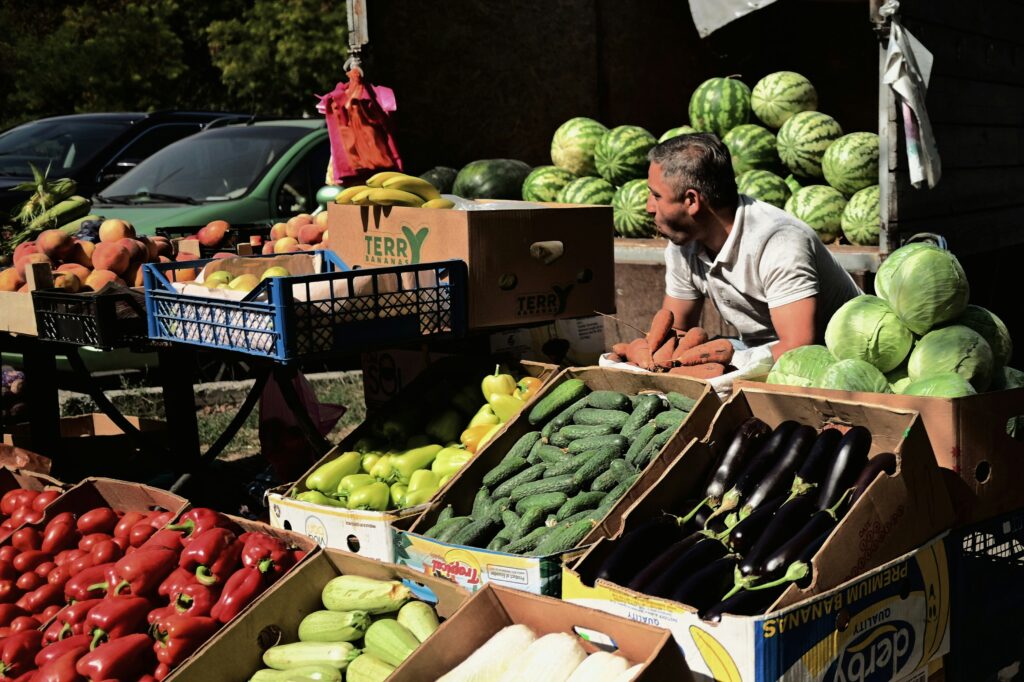
Is eggplant a fruit? Botanically, yes. Culinarily, no. This is one of those questions that has a genuinely interesting two-part answer depending on which definition of ‘fruit’ you are using — and the botanical answer surprises most people.
This guide covers the botanical vs culinary distinction, why eggplant is called eggplant, what aubergine is, the origin of eggplant, and a complete breakdown of all major eggplant varieties.
Is Eggplant a Fruit or Vegetable?
The answer depends entirely on whether you are using the botanical definition or the culinary definition of ‘fruit’:
| Botanical Answer | Culinary Answer | |
| Is eggplant a fruit? | YES | NO |
| Reason | Develops from the flower of the plant; contains seeds | Savory flavor; used in savory dishes; not sweet |
| Same category as | Tomatoes, cucumbers, peppers, squash | Potatoes, carrots, broccoli |
The Botanical Definition — Yes, It’s a Fruit
In botany, a fruit is the mature ovary of a flowering plant that develops after fertilization and contains seeds. By this definition, eggplant is unambiguously a fruit. It develops from the flower of the Solanum melongena plant, it contains seeds, and it is the reproductive structure that houses those seeds.
Under the same botanical definition, tomatoes, peppers, cucumbers, squash, zucchini, and avocados are all also fruits. This surprises most people because we think of all of these as vegetables in everyday use.
The Culinary Definition — No, It’s a Vegetable
In cooking and common usage, the distinction between fruits and vegetables is flavor-based rather than botanical. Fruits are sweet and eaten as desserts or snacks; vegetables are savory and used in main courses, sides, and soups. Eggplant has a mild, slightly bitter, savory flavor — it is never sweet, never used in desserts, and is universally treated as a vegetable in cooking.
This is the same reason tomatoes are legally and culinarily classified as vegetables in the US despite being botanical fruits — the US Supreme Court actually ruled on this in 1893 (Nix v. Hedden) when it decided tomatoes should be classified as vegetables for import tariff purposes.
So: eggplant is a fruit by botanical definition and a vegetable by culinary and practical definition. Both answers are correct in their respective contexts.
What Is Eggplant?
Eggplant (Solanum melongena) is a flowering plant in the nightshade family (Solanaceae) — the same family as tomatoes, potatoes, peppers, and tobacco. The plant produces large, spongy fruits that range from deep purple to white, green, and striped depending on the variety.
Eggplant is widely used across global cuisines: in Italian cooking (Parmigiana di Melanzane, caponata), Middle Eastern cooking (baba ghanoush, moussaka), Indian cooking (baingan bharta), Turkish cooking (imam bayildi), Chinese and Japanese cooking (miso-glazed, stir-fried), and Thai cooking (in curries).
Why Is Eggplant Called Eggplant?
This is one of the more interesting naming questions in food. Eggplant gets its name from a specific variety of the plant that produces small, white, oval fruits — about the size and shape of a hen’s egg. This white, egg-shaped variety was the variety that European colonists in North America encountered first and named, and the name stuck even as the larger, elongated, purple varieties became the dominant commercial form.
If you grow a white eggplant variety — White Egg, Casper, or similar — the fruit genuinely looks like an egg hanging from the plant. The name makes perfect visual sense for that variety, even if the large purple globe eggplant most Americans are familiar with looks nothing like an egg.
What Is Aubergine? Is Aubergine the Same as Eggplant?
Yes — aubergine and eggplant are exactly the same plant (Solanum melongena). The different names are used in different parts of the world:
| Name | Where It’s Used |
| Eggplant | United States, Canada, Australia |
| Aubergine | United Kingdom, Ireland, France (aubergine is French) |
| Melanzana / Melanzane | Italy |
| Baingan / Brinjal | India, Pakistan, South Africa, parts of the Caribbean |
| Berenjena | Spain and Latin America |
‘Aubergine’ comes from the French, which borrowed it from the Catalan alberginia, which came from the Arabic al-badinjan, which came from the Persian badingan or Sanskrit vatinganah. The word traveled west through trade routes. ‘Eggplant’ is the American English term that arrived independently through a different historical path.
Where Does Eggplant Come From?
Eggplant originated in South Asia — specifically in India and Myanmar (Burma), where wild ancestors of the cultivated plant are still found. It has been cultivated in India for at least 4,000 years. From India, cultivation spread eastward to China (documented as early as the 5th century BCE) and westward through Persia and the Arab world, reaching Europe via North Africa during the Arab expansion of the early medieval period.
The plant arrived in Europe through Spain and Italy, where it became embedded in Mediterranean cuisine. It reached the Americas with European colonization. The white variety that gave rise to the name ‘eggplant’ was introduced to North America in the 18th century.
8 Types of Eggplant — Complete Variety Guide
1. Globe Eggplant (American Eggplant)
The standard variety found in virtually every American grocery store. Large, deep purple, rounded-to-oval, with a slightly bitter and robust flavor. The skin is thicker than other varieties. Best uses: sliced for eggplant Parmesan, diced for ratatouille, roasted for baba ghanoush.
Pro tip: Choose the more slender, elongated specimens over the very round ones — they have fewer seeds and tend to be less bitter. Salting sliced eggplant and letting it sit for 30 minutes draws out excess moisture and bitterness.
2. Italian Eggplant
Smaller than globe eggplant, more slender, with thinner skin and a sweeter, more delicate flavor. The variety traditionally used in authentic Melanzane alla Parmigiana (though the dish is claimed by both Sicily and Campania) and Sicilian caponata. If you can find Italian eggplant, it generally produces better results in Italian recipes than the large American globe variety.
3. Japanese Eggplant
Long, slender, and narrow — typically 6 to 9 inches long with a diameter of about 1.5 inches. Very thin skin, minimal seeds, and the mildest, most delicate flavor of the common varieties. Excellent for grilling, miso-glazing (nasu dengaku), quick stir-frying, and any application where you want the eggplant to cook quickly and evenly without bitterness.
4. Chinese Eggplant
Similar to Japanese eggplant in shape but slightly longer and lighter in purple color — sometimes pale lavender. Even milder and slightly sweeter flavor. Used throughout Chinese cooking in stir-fries, braised preparations with garlic sauce, and as a component in Szechuan dishes.
5. Thai Eggplant
Distinctly different from all other common varieties. Thai eggplant is golf-ball sized, round, and green (or sometimes white or purple-striped). When cut open, it resembles a fig. It has a firm texture and slightly bitter, grassy flavor that works specifically well in Thai green and red curries — the bitterness balances the richness of the coconut milk and the heat of the chili.
Thai eggplant can be eaten raw, unlike most other varieties. It is relatively rare in mainstream US grocery stores but widely available at Asian specialty markets. One of the most distinctive and interesting varieties if you can find it.
6. Indian Eggplant (Brinjal)
Small, round, about the size of a large egg, and typically deep purple. The size makes it ideal for stuffing or for dishes where the eggplant is cooked whole — the entire small eggplant can be placed in a curry or stew. Commonly used in Indian bharta, stuffed preparations (bharwa baingan), and various regional curries. Less bitter than globe eggplant.
7. White Eggplant
The variety responsible for the name ‘eggplant.’ White Egg, Casper, and similar white varieties produce fruits that genuinely look like eggs hanging from the plant. Flavor is very mild, slightly sweet, with thinner skin than purple varieties. The white color is sometimes preferred in dishes where purple skin would bleed and discolor the final preparation.
8. Graffiti Eggplant (Sicilian Eggplant / Zebra Eggplant)
Streaked purple and white, teardrop-shaped, with a very mild and sweet flavor. The Rosa Bianca variety from Sicily has a particularly creamy, buttery flesh with essentially no bitterness in the skin. Excellent for grilling, roasting, or any preparation where you want delicate eggplant flavor without the bitterness management required for globe eggplant.
Eggplant in World Cuisines — Key Dishes
| Country/Region | Dish | Description |
| Italy (Sicily) | Caponata | Eggplant, olives, tomatoes, capers, pine nuts, sweet-and-sour sauce |
| Italy | Melanzane alla Parmigiana | Layered fried eggplant, tomato sauce, mozzarella, Parmesan |
| France | Ratatouille | Eggplant, zucchini, peppers, tomatoes, herbs — Provençal stew |
| Middle East | Baba Ghanoush | Roasted eggplant, tahini, lemon, garlic — smoky dip |
| Greece/Turkey | Moussaka | Layered eggplant, spiced meat, béchamel — baked casserole |
| Turkey | Imam Bayildi | Eggplant stuffed with onions, tomatoes, and garlic; braised in olive oil |
| India | Baingan Bharta | Charred eggplant, spices, onions, tomatoes — smoky mash |
| Japan | Nasu Dengaku | Miso-glazed grilled eggplant; served as appetizer or side |
| Thailand | Green Curry | Thai eggplant in coconut milk curry with galangal, lemongrass, chili |
| China | Szechuan Eggplant | Braised eggplant with garlic sauce, chili bean paste, scallions |
Eggplant Nutrition
Eggplant is low in calories (~20 calories per 100g) and a good source of:
- Fiber: Supports digestive health
- Manganese: Important for bone health and metabolism
- Folate: Essential for cell function
- Potassium: Supports heart health
- Nasunin: A flavonoid antioxidant in the purple skin specifically linked to cellular protection
The spongy texture of eggplant absorbs oil readily during cooking — preparation method significantly affects caloric content. Grilled or roasted eggplant is far lower in calories than fried.
Frequently Asked Questions
Is eggplant a fruit or vegetable?
Botanically, eggplant is a fruit — it develops from a flower and contains seeds. Culinarily, it is treated as a vegetable because it has a savory flavor and is used in savory dishes. Both answers are correct in their respective contexts. The same botanical-vs-culinary ambiguity applies to tomatoes, peppers, cucumbers, and squash.
Why is eggplant called eggplant?
Eggplant gets its name from the white, oval variety of the plant that produces small fruits resembling hen’s eggs — about the size and shape of an egg, hanging from the plant. This white variety was the first encountered and named by European colonists in North America, and the name applied to the plant generally even as the large purple globe variety became dominant in American markets.
Is aubergine the same as eggplant?
Yes — aubergine and eggplant are exactly the same plant (Solanum melongena). Aubergine is the term used in the UK, Ireland, France, and much of Europe. Eggplant is used in the US, Canada, and Australia. In India and parts of South Asia, the same plant is called brinjal or baingan.
Is eggplant a nightshade?
Yes — eggplant is in the nightshade family (Solanaceae), the same family as tomatoes, potatoes, peppers, and tobacco. Some people following anti-inflammatory diets avoid nightshades based on concerns about alkaloid compounds, though the scientific evidence that culinary nightshades cause harm in healthy individuals is limited. People with autoimmune conditions sometimes report sensitivity to nightshades.
Can you eat eggplant raw?
Most eggplant varieties are not typically eaten raw — the flesh is spongy, slightly bitter, and less palatable than when cooked. The exception is Thai eggplant, which is commonly eaten raw in Thai cuisine, particularly in salads and as a crunchy component in certain dishes. White eggplant and very young, small specimens of other varieties are sometimes eaten raw, but cooking generally improves flavor and texture significantly.
Final Thoughts
Eggplant is one of the most versatile ingredients in global cooking — present in the foundational dishes of Italian, Greek, Turkish, Indian, Japanese, Thai, and Chinese cuisines. The botanical-vs-culinary fruit question is genuinely interesting, and understanding the naming history (the white egg-shaped variety) makes the name make sense in a way most people never realize.
If you have only ever used the large American globe eggplant, experimenting with Japanese, Chinese, or Thai varieties is worthwhile — they cook faster, have fewer seeds, less bitterness, and a more delicate flavor that makes the ingredient considerably easier to work with.