
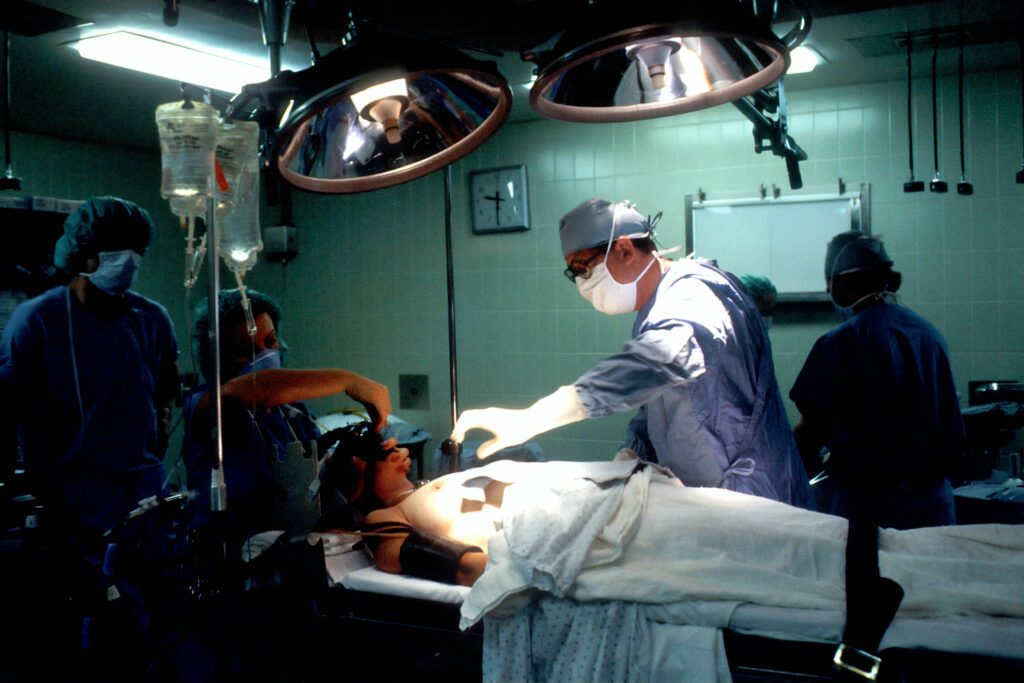
Post-op — short for post-operative — refers to the period immediately following surgery and everything that happens during recovery. Post-op care includes all the medical monitoring, wound care, pain management, physical rehabilitation, and lifestyle adjustments needed to help the body heal safely after a surgical procedure.
Whether you’re preparing for surgery yourself or helping a family member through recovery, understanding what post-op care involves helps you ask the right questions, recognize warning signs, and support the healing process effectively.
What Does Post-Op Mean?
Post-op is a medical abbreviation for ‘post-operative’ — meaning ‘after surgery’ or ‘after a surgical operation.’ The prefix ‘post’ means after; ‘operative’ relates to a surgical operation. You may see it written as:
- Post-op (most common abbreviation)
- Postop (no hyphen — same meaning)
- Post-operative (full term)
- Postoperative (one word — same meaning)
In a medical context, ‘post-op’ can refer to the time period (the post-op period), the care provided (post-op care), or a location in a hospital (the post-op area or recovery room, also called the PACU — Post-Anesthesia Care Unit).
What Is a Post-Op Appointment?
A post-op appointment (also called a post-op visit or follow-up appointment) is a scheduled visit with your surgeon or healthcare provider after surgery. These appointments serve several purposes:
- Checking the surgical site for proper healing and signs of infection
- Removing stitches, staples, or drains if applicable
- Reviewing lab results or imaging from the surgery
- Adjusting medications based on your recovery progress
- Clearing you to resume activities (driving, work, exercise)
- Answering questions about symptoms or concerns
Most surgeons schedule the first post-op appointment within 1-2 weeks after surgery. Additional follow-ups may continue for weeks or months depending on the procedure.
Post-Op Care: The Main Components
1. Immediate Medical Monitoring (Post-Anesthesia Care Unit)
Immediately after surgery, patients are moved to the Post-Anesthesia Care Unit (PACU) — commonly called the recovery room. Medical staff monitor:
- Vital signs: blood pressure, heart rate, temperature, respiratory rate, and oxygen levels
- Pain levels: using a pain scale to assess comfort and administer appropriate medication
- Consciousness: ensuring the patient fully regains alertness from anesthesia
- Surgical site: checking for bleeding or immediate complications
- Breathing: confirming stable respiratory function before discharge from PACU
Patients remain in the PACU until stable enough to move to a regular hospital room or be discharged home, typically 1-3 hours after surgery depending on the procedure and anesthesia used.
2. Pain Management
Effective pain management after surgery is essential both for comfort and for recovery — uncontrolled pain can delay healing, prevent necessary movement, and increase complication risk. Post-op pain management typically involves:
- Prescription pain medications: Opioids (for severe pain), non-opioid analgesics, or combinations
- NSAIDs (non-steroidal anti-inflammatory drugs): Ibuprofen or similar to reduce inflammation
- Acetaminophen: Often used alongside other medications for pain relief without addiction risk
- Patient-controlled analgesia (PCA): A pump that allows patients to self-administer small doses of pain medication within safe limits
- Non-medication approaches: Ice therapy, elevation, proper positioning, and gentle movement
Key tip: Take pain medication before pain becomes severe — it’s more effective to stay ahead of pain than to treat it once it becomes intense. Always report any concerns about pain control or side effects to your care team.
3. Wound Care and Infection Prevention
Proper wound care is one of the most important aspects of post-op recovery. The surgical incision must be kept clean, dry, and protected to prevent infection.
| Do This | Don’t Do This |
| Wash hands before and after touching the wound area | Touch the wound with unwashed hands |
| Change dressings as directed by your surgeon | Skip scheduled dressing changes |
| Keep the surgical site dry (until cleared) | Submerge the wound in water (bath, pool, hot tub) |
| Watch for signs of infection daily | Ignore redness, warmth, or unusual drainage |
| Contact your doctor if concerned | Wait and hope a problem resolves itself |
Signs of surgical site infection to watch for:
- Increased redness, warmth, or swelling around the incision
- Unusual drainage (yellow, green, or foul-smelling)
- The wound opening or separating
- Fever above 101.5°F (38.6°C)
- Increasing pain at the site after the first few days (pain should gradually decrease, not worsen)
If you notice any of these signs, contact your healthcare provider promptly. Do not wait to see if it improves on its own.
4. Physical Activity and Rehabilitation
Movement after surgery is a balance — too little increases the risk of blood clots and slows recovery; too much risks reopening the wound or causing injury. Your surgeon will give specific activity guidelines based on your procedure.
General post-op activity guidelines:
- Walking: Most patients are encouraged to walk short distances within hours of minor surgery and within 1-2 days of major surgery — movement prevents blood clots (deep vein thrombosis)
- Lifting restrictions: Many surgeries prohibit lifting more than 5-10 pounds for 4-6 weeks
- Driving: Usually prohibited while taking opioid pain medications and until you can perform emergency stops safely — typically 1-2 weeks minimum
- Work return: Depends on procedure and job type — desk work may resume in days; physical labor may require 6+ weeks
- Physical therapy: Many surgeries (joint replacements, ligament repairs, major orthopedic procedures) require formal physical therapy starting within days of surgery
Never start exercise or physical therapy beyond what your surgeon has specifically prescribed. Overexertion can cause serious complications including wound dehiscence (opening) and internal bleeding.
5. Nutrition and Hydration
The body requires significantly more protein and key nutrients during surgical recovery to repair tissue, support the immune system, and regenerate cells.
- Protein: Essential for tissue repair — lean meats, eggs, fish, dairy, legumes. Aim for increased protein intake during recovery.
- Vitamin C: Supports collagen formation and wound healing — citrus fruits, bell peppers, strawberries
- Zinc: Supports immune function and wound healing — meat, shellfish, nuts, seeds
- Iron: Especially important if blood was lost during surgery — red meat, leafy greens, fortified cereals
- Hydration: Drink adequate water throughout the day — dehydration slows healing, impairs circulation, and can cause constipation (a common side effect of opioid pain medications)
If nausea from anesthesia or pain medications makes eating difficult, try small frequent meals, ginger tea, or bland foods. Contact your doctor if nausea prevents adequate eating or drinking for more than 24 hours.
6. Rest and Sleep
The body does most of its healing during sleep — growth hormone and tissue repair processes are most active during deep sleep. Most people need significantly more sleep than usual in the first week or two after surgery.
- Sleep as much as your body needs — don’t fight fatigue
- Follow your surgeon’s guidance on sleeping positions (some surgeries require specific positions to protect the surgical site)
- Use pillows to support the surgical area and find comfortable positions
- Avoid screens before bed to improve sleep quality
- Take prescribed sleep aids only if specifically recommended by your doctor
7. Mental Health During Recovery
Surgical recovery can be emotionally challenging — pain, reduced mobility, dependence on others, and disruption to normal routines all contribute to anxiety, frustration, and sometimes depression. These feelings are common and normal.
Signs that mental health support may be helpful:
- Persistent anxiety or fear about recovery
- Feeling unable to cope with pain or limitations
- Signs of depression (persistent low mood, loss of interest, hopelessness) lasting more than 2 weeks
- Sleep problems beyond the first 1-2 weeks
Tell your healthcare provider about any persistent mental health concerns during follow-up appointments. Support from family, friends, and in some cases professional counseling can significantly improve recovery outcomes.
8. At-Home Safety
Returning home after surgery requires preparing your environment to prevent falls and accidents during a period when mobility and balance may be affected:
- Remove throw rugs, electrical cords, and other trip hazards
- Install grab bars in bathrooms if needed
- Place frequently needed items within easy reach to avoid unnecessary bending or stretching
- Arrange sleeping on the ground floor if stairs are difficult
- Have someone available to assist for the first 24-48 hours at minimum after general anesthesia
- Keep emergency contact numbers accessible
Post-Op Warning Signs: When to Seek Emergency Care
Know when to call your doctor and when to call 911. This is one of the most important aspects of post-op safety.
| Warning Sign | Urgency | Action |
| Difficulty breathing or shortness of breath | EMERGENCY | Call 911 immediately |
| Chest pain | EMERGENCY | Call 911 immediately |
| Signs of stroke (face drooping, arm weakness, speech difficulty) | EMERGENCY | Call 911 immediately |
| Excessive bleeding from wound | EMERGENCY | Call 911 or go to ER |
| Fever above 101.5°F (38.6°C) | Urgent | Call surgeon’s office |
| Increasing wound redness, warmth, or pus | Urgent | Call surgeon’s office |
| Severe uncontrolled pain | Urgent | Call surgical team |
| Wound separating or opening | Urgent | Call surgeon’s office |
| Calf pain, redness, or swelling (possible DVT) | Urgent | Call doctor immediately |
| Nausea/vomiting preventing eating for 24+ hours | Same day | Call doctor |
When in doubt, call your surgeon’s office. Most practices have an after-hours line for urgent concerns. It is always better to call and be reassured than to wait on a potentially serious complication.
Post-Op Care Timeline: What to Expect
| Time Period | What Typically Happens |
| Hours 1-24 | PACU monitoring; pain medication adjustment; first attempts at standing/walking; managing nausea from anesthesia |
| Days 1-3 | Pain typically at its peak; rest is primary focus; follow wound care instructions; liquid to soft diet if applicable |
| Days 3-7 | Pain should begin decreasing; short walks increasing; first post-op appointment often scheduled in this window |
| Weeks 1-2 | First post-op appointment; suture/staple removal if applicable; gradual activity increase; driving restrictions often lift for minor procedures |
| Weeks 2-6 | Most wound healing occurs; physical therapy typically begins; increasing activity as cleared; return to work for desk jobs |
| Weeks 6-12 | Full recovery from most surgeries; major procedures (joint replacement, cardiac, abdominal) may require longer |
| 3-12 months | Full internal healing for major surgeries; scar maturation; final clearance for all activities |
Frequently Asked Questions
What does post-op mean?
Post-op is a medical abbreviation for post-operative, meaning ‘after surgery’ or ‘following a surgical procedure.’ It can refer to the time period after surgery (the post-op period), the care provided (post-op care), or a location in a hospital (the post-op area, or recovery room). The terms post-op, postop, post-operative, and postoperative all mean the same thing.
What is post-op care?
Post-op care (post-operative care) is all the medical attention, monitoring, and self-care required after a surgical procedure to ensure proper healing and prevent complications. It includes immediate hospital monitoring in the recovery room (PACU), pain management, wound care, physical rehabilitation, nutrition guidance, follow-up appointments, and at-home care instructions. The specific components of post-op care vary significantly depending on the type of surgery performed.
What is a post-op appointment?
A post-op appointment is a scheduled follow-up visit with your surgeon after surgery. The first post-op appointment is typically within 1-2 weeks of the procedure. During this visit, the surgeon checks wound healing, removes sutures or staples if needed, reviews your recovery progress, adjusts any medications, and clears you for gradually increasing activity. Major surgeries may require multiple follow-up appointments over weeks or months.
How long does post-op recovery take?
Post-op recovery length varies enormously depending on the surgery. Minor outpatient procedures may allow return to normal activities within days. Major surgeries such as joint replacement, cardiac surgery, or major abdominal surgery may require 3-6 months or more for full recovery. Your surgeon will give you a specific timeline for your procedure. The most important rule: follow your surgeon’s guidance rather than general timelines, as individual recovery varies significantly.
What are the warning signs after surgery that require emergency care?
Call 911 immediately for: difficulty breathing, chest pain, signs of stroke (facial drooping, arm weakness, speech difficulty), or excessive uncontrolled bleeding. Contact your surgeon urgently for: fever above 101.5°F, increasing wound redness/warmth/pus, severe uncontrolled pain, wound separation, or calf pain and swelling (which can indicate a blood clot). When in doubt about any symptom after surgery, contact your healthcare provider — it is always better to call than to wait.
Final Thoughts
Post-op care is not a passive process — it requires active participation from patients and their support systems. Following your surgeon’s specific instructions, attending every follow-up appointment, watching for warning signs, and giving your body adequate rest and nutrition are all essential to a successful recovery.
Every surgery is different, and every patient’s recovery timeline is different. The information in this article provides general educational guidance, but your surgeon’s specific post-operative instructions always take precedence. If you have questions about your recovery at any point, contact your healthcare team — that’s exactly what they’re there for.
MEDICAL DISCLAIMER: This article provides general educational information about post-operative care and is not a substitute for professional medical advice. Always follow the specific recovery instructions provided by your surgeon and healthcare team. If you experience a medical emergency, call 911 immediately.