
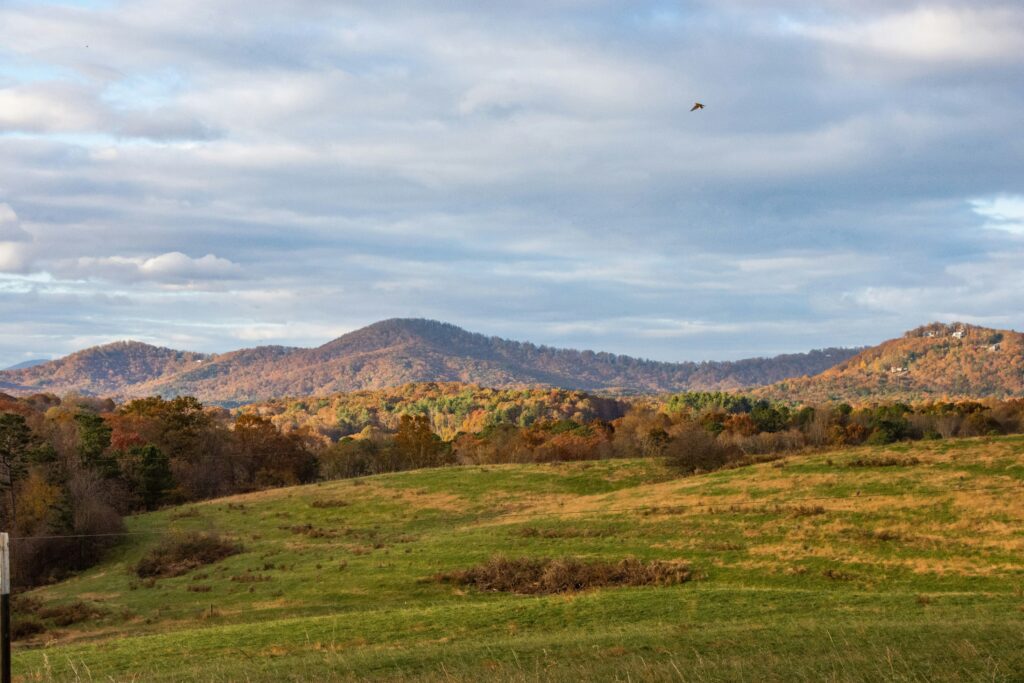
If you’ve spotted a large bird of prey in your Georgia backyard and assumed it was an eagle or a falcon, you’re far from alone — but the odds are good it was actually a hawk. Georgia is home to several hawk species that are common enough to be regular sightings for backyard birders, woodland hikers, and anyone who spends time near lakes and open fields.
This guide covers the hawks most commonly seen in Georgia — Red-shouldered, Red-tailed, Cooper’s, and Broad-winged Hawks, along with the Osprey — and what makes each one identifiable.
Common Hawks in Georgia: Quick Comparison
| Species | Size | Key Features | Diet |
| Red-tailed Hawk | Largest of the group | Reddish tail feathers; pale underside | Rodents, rabbits, snakes |
| Red-shouldered Hawk | Medium | Reddish shoulder patches; banded tail | Small mammals, amphibians, reptiles |
| Cooper’s Hawk | Medium, slender | Red eyes (adult); gray-blue back (“Blue Darter”) | Primarily smaller birds |
| Broad-winged Hawk | Smaller, compact | Banded tail; broad wings for soaring | Small mammals, amphibians, insects |
| Osprey (“Fish Hawk”) | Large | White underside; dark eye stripe; found near water | Almost exclusively fish |
Red-tailed Hawk
The Red-tailed Hawk is the largest hawk commonly found in North America, and Georgia is no exception. They’re frequently seen perched at the top of tall trees or soaring overhead, where their pale underside and reddish tail feathers — visible when backlit by sunlight — make for a reliable identification feature.
Red-tailed Hawks primarily hunt rodents, including chipmunks, squirrels, and rabbits, but they’re opportunistic feeders and will also eat snakes, lizards, and even roadkill when other prey is scarce, particularly in winter. Their call — a high-pitched, drawn-out scream — is distinctive enough that it’s often used in films and television as a generic “hawk” or “eagle” sound effect, regardless of what’s actually shown on screen.
Red-shouldered Hawk
The Red-shouldered Hawk is a medium-sized hawk named for the reddish patches on its shoulders, visible when the bird is perched with wings folded. In flight, a banded tail pattern is a useful identification feature. Red-shouldered Hawks are vocal birds, often calling to communicate with mates — a behavior that can make them easier to locate even when they’re partially obscured by tree cover.
They favor wooded areas, particularly near water, and hunt a varied diet that includes small mammals, amphibians, and reptiles.
Cooper’s Hawk
Cooper’s Hawks are agile, intense-looking birds, particularly as adults, when their eyes turn bright red. Their coloring — a gray-blue back, wings, and head with lighter gray and orange mottled feathers on the breast — gives them a striking appearance, especially in certain lighting where the blue-gray tones are more pronounced. This coloring is the source of an old Southern nickname for the species: “Blue Darter.”
Unlike the Red-tailed Hawk’s preference for rodents, Cooper’s Hawks primarily hunt other birds — sparrows, starlings, young mourning doves, and even jays can fall prey to a Cooper’s Hawk. Their hunting style is agile and fast, often involving quick, low flights through trees and yards in pursuit of smaller birds. Any backyard birder in the Southeast who feeds songbirds regularly has likely encountered a Cooper’s Hawk at some point — sometimes to the alarm of the smaller birds at the feeder.
Broad-winged Hawk
The Broad-winged Hawk is smaller and more compact than the other hawks on this list, with broad wings well-suited to soaring and a banded tail pattern. They’re known for their dramatic fall migration, when large flocks (sometimes called “kettles”) can be seen soaring together on their way south — a notable birdwatching event in parts of Georgia during migration season.
Their diet includes small mammals, amphibians, reptiles, and insects, reflecting their preference for wooded habitats with varied prey availability.
Osprey: The “Fish Hawk”
While not a true hawk in the technical sense, the Osprey is often referred to as a “fish hawk” and is commonly grouped with hawks in casual birdwatching conversation. Ospreys are large birds with a distinctive white underside and a dark stripe through the eye, and they’re almost always found near water — lakes, rivers, and reservoirs — since fish make up nearly their entire diet.
In Georgia, Ospreys are frequently spotted around lakes including Lake Allatoona, Lake Acworth, and Lake Oconee, where they can be seen diving feet-first into the water to catch fish — one of the more dramatic hunting displays among Georgia’s birds of prey.
Hawk vs. Eagle vs. Falcon: Common Confusion
It’s extremely common for backyard birders to mistake a hawk — particularly a large Red-tailed Hawk — for an eagle, or to assume any bird of prey with a fast, agile flight is a falcon. In Georgia, true eagle sightings (Bald Eagles) are generally limited to areas near large lakes and reservoirs, and falcon sightings (such as the American Kestrel, North America’s smallest falcon) are considerably rarer than hawk sightings in most residential areas.
If you’ve spotted a large bird of prey in a typical Georgia backyard or neighborhood — especially one perched in a tall tree or soaring over a yard — a hawk (most likely Red-tailed, Red-shouldered, or Cooper’s) is statistically the most probable identification.
Where to Spot Hawks in Georgia
- Red-tailed Hawks: Tall trees, open fields, roadside perches — adaptable to suburban areas
- Red-shouldered Hawks: Wooded areas, particularly near water sources
- Cooper’s Hawks: Suburban yards with bird feeders, where smaller birds congregate
- Broad-winged Hawks: Forested areas; most visible during fall migration
- Ospreys: Near lakes and reservoirs — Lake Allatoona, Lake Acworth, and Lake Oconee are reliable spots in the Atlanta area
Frequently Asked Questions
What hawks are common in Georgia?
The most commonly seen hawks in Georgia are the Red-tailed Hawk, Red-shouldered Hawk, Cooper’s Hawk, and Broad-winged Hawk. Ospreys, sometimes called “fish hawks,” are also frequently seen near lakes and rivers.
What is the largest hawk in Georgia?
The Red-tailed Hawk is the largest hawk commonly found in Georgia and is also the largest hawk species in North America generally.
How do you identify a Cooper’s Hawk?
Adult Cooper’s Hawks have bright red eyes and a gray-blue back, wings, and head, with lighter gray and orange mottled feathers on the breast — coloring that earned them the old Southern nickname “Blue Darter.” They primarily hunt smaller birds, often around bird feeders.
What do Red-tailed Hawks eat?
Red-tailed Hawks primarily hunt rodents, including chipmunks, squirrels, and rabbits, but will also eat snakes, lizards, and occasionally roadkill, especially when other prey is harder to find in winter.
Are eagles common in Georgia?
Bald Eagle sightings in Georgia are generally limited to areas near large lakes and reservoirs and are far less common than hawk sightings. A large bird of prey seen in a typical residential area is far more likely to be a Red-tailed Hawk than an eagle.
Final Thoughts
Georgia’s skies and woodlands are home to a genuinely impressive range of hawks, and learning to tell them apart turns a vague “big bird” sighting into something far more interesting. The Red-tailed Hawk’s reddish tail, the Cooper’s Hawk’s red eyes and “Blue Darter” coloring, the Red-shouldered Hawk’s banded tail and shoulder patches, and the Osprey’s lakeside fishing habits are all reliable starting points for identification in the field.