
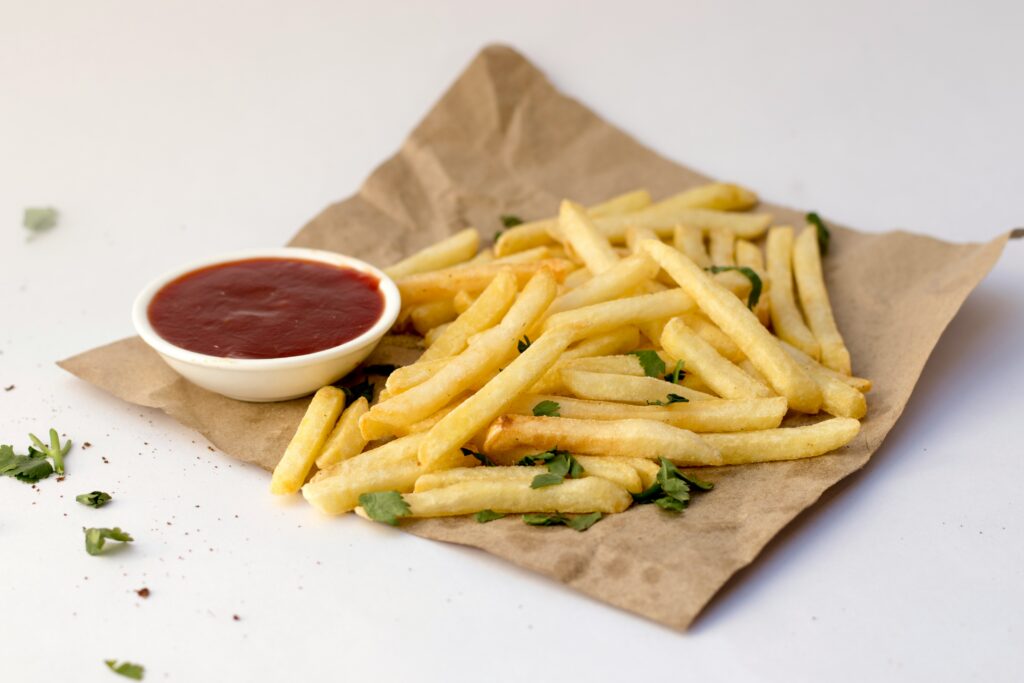
Most people season their fries with salt and call it a day. That works — but it leaves a lot of flavor on the table. The right seasoning blend can turn a good fry into a restaurant-quality one, and it takes about five minutes to mix from pantry staples you already have.
The most versatile base french fry seasoning: garlic powder, smoked paprika, onion powder, kosher salt, black pepper, and a pinch of cayenne. From there, you can go Cajun, Old Bay, ranch, or something entirely your own. Here are the seven best blends — plus what McDonald’s actually used to use that made their fries taste unlike anything else.
The Base French Fry Seasoning Blend
Before getting into specific styles, this is the all-purpose blend that works on any type of fry — deep fried, air fried, oven baked, or from frozen:
| Ingredient | Amount (makes ~11 tbsp) |
| Garlic powder | 2 tablespoons |
| Smoked paprika | 2 tablespoons |
| Onion powder | 1 tablespoon |
| Kosher salt | 1 tablespoon |
| Black pepper (coarse ground) | 1 tablespoon |
| Mustard powder | 1 tablespoon |
| Cayenne pepper | ½ teaspoon (adjust to taste) |
Mix all ingredients in a bowl, transfer to an airtight jar or container. Stores in a cool, dark pantry for up to 6 months — after that it will not go bad but will begin to lose flavor. Apply to fries immediately after cooking while they are still hot and slightly oily so the seasoning sticks. For oven or air fryer fries, spray with cooking spray first, then toss with seasoning before cooking.
7 Best French Fry Seasoning Blends
1. Classic Garlic Parmesan
The crowd-pleaser. Combine garlic powder, onion powder, grated Parmesan, dried parsley, salt, and black pepper. Toss with fries immediately out of the fryer or oven. The Parmesan melts slightly into the hot fry surface and creates an addictive savory crust. Works especially well on steak fries and thick-cut fries.
2. Cajun Seasoning
Cajun is one of the most popular fry seasonings in the US, and for good reason. The blend layers multiple types of heat — cayenne, black pepper, white pepper — with smokiness from paprika and earthiness from thyme and oregano. The Daily Meal named it the single best underrated seasoning you can put on fries.
Homemade Cajun fry seasoning:
- 1½ tsp kosher salt
- 1½ tsp onion powder
- 1 tsp garlic powder
- 1 tsp smoked paprika
- ¾ tsp dried thyme
- ½ tsp cayenne pepper
- ½ tsp black pepper
- ¼ tsp dried oregano
Mix and apply immediately after frying. For baked Cajun fries, toss raw cut potatoes in oil and Cajun seasoning, spread on a baking sheet, and bake at 425°F for 25–30 minutes, flipping halfway. Russet potatoes give the best crispy results — their high starch, low moisture content is what creates that golden exterior.
3. Old Bay
Old Bay is a Maryland classic that translates remarkably well to fries. The blend contains celery salt, red pepper, black pepper, and paprika — 18 herbs and spices in total — giving fries a distinctive, complex flavor that is simultaneously savory, peppery, and slightly celery-forward. Sprinkle generously on hot fries straight from the fryer.
For loaded Old Bay fries: layer the seasoned fries with lump crab meat and a cream cheese-based dipping sauce. This is a genuine Maryland boardwalk tradition.
4. Ranch Seasoning
Ranch seasoning powder on fries has one major advantage over ranch dipping sauce: it does not make the fries soggy. The powder gives you all the tangy, herby, garlic-and-dill flavor of ranch dressing without compromising the crunch. Combine dried buttermilk powder (if available), dill, garlic powder, onion powder, dried chives, and salt. Apply hot.
5. Smoked Paprika and Garlic
One of the simplest and most effective combinations. Smoked paprika adds sweetness and a faint char-like smokiness; garlic powder adds depth. Together they create a BBQ-adjacent flavor profile without the dipping sauce. Add onion powder and black pepper to round it out. Works on any fry cut.
6. Salt and Vinegar
A British chip shop staple that has gained a devoted following in the US. Malt vinegar powder (available in most grocery stores or online) sprinkled on hot fries with kosher salt creates the tangy, sharp, addictive flavor of salt and vinegar chips. Do not add vinegar liquid to fries — it makes them soggy. The powder form gives the flavor without moisture.
7. Chili Powder Blend
Chili powder is not just ground chiles — most commercial blends also contain cumin, garlic, onion, oregano, and paprika, making it a surprisingly complex all-in-one fry seasoning. It adds a sweet, smoky, moderately spicy flavor to fries that pairs well with burgers, pulled pork sandwiches, and grilled meats. Combine chili powder with garlic salt for a two-ingredient seasoning that punches well above its weight.
The McDonald’s French Fry Secret: Beef Tallow
McDonald’s fries have been considered the gold standard of fast food fries for decades. Most people assume it is a seasoning secret — it is not. It is the cooking fat.
Until 1990, McDonald’s fried their potatoes in beef tallow — rendered beef fat. The result was fries with a distinctive savory, almost beefy undertone that vegetable oils cannot replicate. Malcolm Gladwell covered this in depth in his podcast, explaining how switching from tallow to vegetable oil in 1990 (due to health concerns about saturated fat, later questioned) fundamentally changed the flavor profile of McDonald’s fries.
Today, McDonald’s uses a blend of canola oil, corn oil, soybean oil, and hydrogenated soybean oil, with natural beef flavor added back as a flavoring — which is why McDonald’s fries are not vegetarian in the US.
For home cooks who want to replicate the original flavor: fry in beef tallow or duck fat. Both are high smoke-point saturated fats that produce fries that are crispier, more flavorful, and stay crispy longer than fries cooked in vegetable oil.
Wondering which potato variety to use for maximum crispiness? See our guide to every type of french fry cut explained which covers how the potato variety and cut affects seasoning adhesion and texture.
How to Get Seasoning to Stick to French Fries
The most common complaint about fry seasoning is that it falls off. The solution:
- Season immediately after cooking while fries are still hot and have surface moisture — the seasoning adheres to this moisture
- For oven and air fryer fries: toss raw fries in a light coating of oil, then add dry seasoning and toss again before cooking
- For deep-fried fries: toss in a large bowl with seasoning while the surface is still slightly oily from the frying fat
- For frozen bag fries: spray with a fine mist of cooking spray after cooking, then toss with seasoning
- Salt always goes on last and separately — adding it to a pre-mix can draw moisture from herbs and degrade the blend
The Kitchn’s Cajun fries recipe at thekitchn.com/cajun-fries-recipe includes both fried and baked versions with step-by-step instructions and the soaking method that makes restaurant-quality fries achievable at home.
French Fry Seasoning: Storage and Shelf Life
Homemade seasoning blends store well in a cool, dark pantry in an airtight container — a small mason jar or spice jar works perfectly. Most blends maintain peak flavor for up to 6 months. After that, they are safe to use but gradually lose potency as individual spices fade. Label the jar with the date you made it. Shake before each use to redistribute any settled spices.
Bottom Line
| ✅ Best all-purpose blend | Garlic powder + smoked paprika + onion powder + salt + pepper + mustard powder + cayenne |
| ✅ Best for heat lovers | Cajun — layers of cayenne, black pepper, smoked paprika, thyme, oregano |
| ✅ Best classic | Old Bay — 18 spices, celery-forward, works on any fry |
| ✅ No-sog option | Ranch powder or salt and vinegar powder — all flavor, no moisture |
| ✅ McDonald’s secret | Beef tallow (pre-1990) — replicate at home with beef tallow or duck fat |
| ✅ Shelf life | Up to 6 months in airtight container in cool, dark place |
Frequently Asked Questions
What is the best french fry seasoning?
The most versatile all-purpose blend combines garlic powder, smoked paprika, onion powder, kosher salt, coarse black pepper, mustard powder, and cayenne. For restaurant-style seasoned fries similar to Rally’s or Red Robin, this base blend is the closest approximation. For Cajun fries, add thyme, oregano, and more cayenne.
What does McDonald’s use to season their french fries?
McDonald’s fries are seasoned with salt only. The distinctive flavor comes from the cooking fat and a natural beef flavoring added to the frying oil blend — not a special seasoning mix. Before 1990, McDonald’s used beef tallow, which gave a uniquely rich flavor. Today’s blend uses canola, corn, and soybean oils with added natural beef flavor.
How do you make french fry seasoning stick?
Season fries immediately after cooking while they are still hot. For deep-fried fries, toss in a bowl while the surface is still slightly oily. For oven or air fryer fries, coat in oil before cooking, add dry seasoning, and toss — the oil acts as a binder. Never add salt to the pre-made spice mix as it draws moisture from the herbs and degrades the blend.
What is cajun french fry seasoning made of?
A classic Cajun fry seasoning combines kosher salt, onion powder, garlic powder, smoked paprika, dried thyme, cayenne pepper, black pepper, and dried oregano. The blend varies by region and personal preference — more cayenne for heat, more paprika for color and smokiness. Store-bought Cajun blends like Tony Chachere’s and Slap Ya Mama work well as shortcuts.
What is the best oil temperature for french fries?
For the double-fry method used by most restaurants: first fry at 260–275°F for 3–5 minutes to cook the interior without browning, then fry at 375°F for 2–4 minutes until golden brown. Single-fry method: 350–375°F throughout. Always use a thermometer — oil that is too cool makes greasy fries; too hot burns the exterior before the center cooks.