
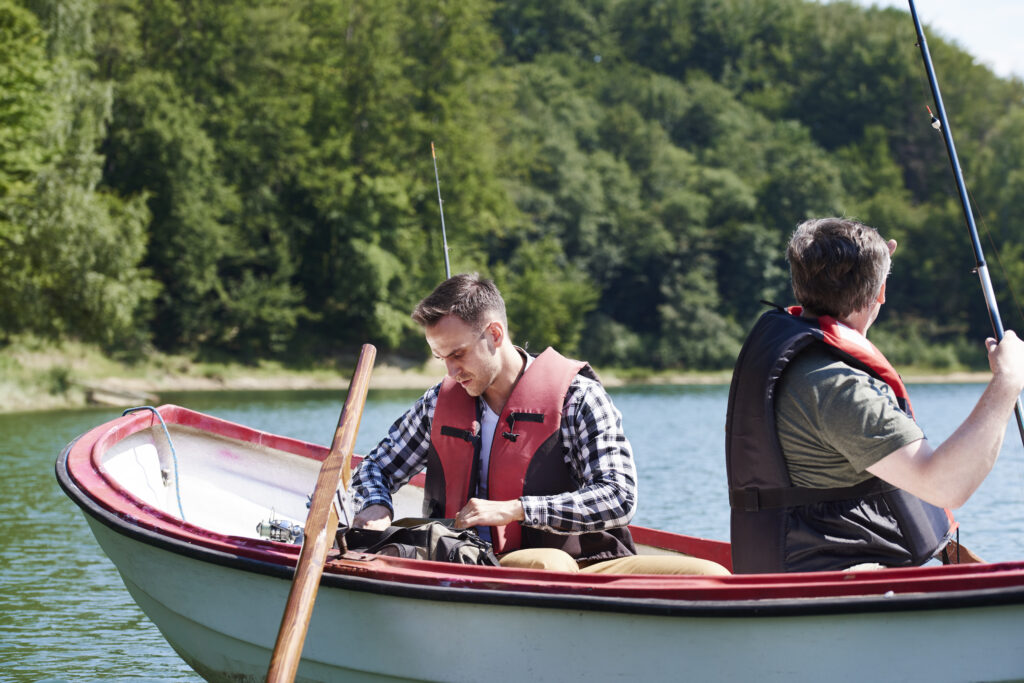
Paddle boats — also called pedal boats — are one of the most accessible ways to get on the water without a license, motor, or significant ongoing cost. They are human-powered, operate on calm lakes, ponds, and slow rivers, and are simple enough for children to participate in the pedaling. But there is more variation in paddle boat quality, construction, and long-term ownership costs than first-time buyers typically expect. This guide covers everything worth knowing before buying: sizing, materials, brands, new versus used, pricing, where to buy, parts availability, and maintenance.
For other outdoor recreation buying guides, see our complete guide to best hiking trails near Ithaca, NY — covering the best outdoor destinations in upstate New York for anyone planning a lake or waterway trip.
What Is a Paddle Boat?
A paddle boat is a small, human-powered watercraft propelled by pedaling — the pedal mechanism turns a paddle wheel at the rear of the boat — rather than rowing or sailing. They are most commonly found on calm lakes, ponds, and slow-moving rivers and are popular for casual recreational use, particularly with families, given how simple they are to operate. No license is required to operate a paddle boat on most US waterways, which is one of the main reasons for their popularity as a family watercraft.
The term ‘paddle boat’ is often used interchangeably with ‘pedal boat’ — both refer to the same type of craft. The propulsion mechanism is a paddle wheel, not a hand paddle, which is why the accurate description is ‘pedal boat’ but ‘paddle boat’ is the more common consumer search term.
Paddle Boat Sizes and Seating Capacity
Paddle boats come in three standard configurations:
| Size | Seats | Typical Weight Capacity | Best For |
| 2-seat | 2 adults | 400-500 lbs | Couples, easy storage, smaller vehicles |
| 3-seat | 2 adults + 1 child center | 500-600 lbs | Small families |
| 5-seat | 4 adults + 1 child center | 700-800 lbs | Families, groups, rental use |
Weight capacity is the practical limit that matters most — exceeding a paddle boat’s rated capacity affects how it sits in the water, how easy it is to pedal, and how quickly the hull and mechanical components wear. Always check the capacity rating against your likely typical use (the heaviest realistic load, not just the maximum number of seats) before buying.
The 2-seat model is lighter, easier to transport on a car roof or in a truck bed, easier to store, and sufficient for the majority of casual uses. The 5-seat model is heavier (often 125-175 lbs), requires a trailer or two people to carry, and is better suited to resort or rental use where multiple passengers are the norm.
Materials and Construction
Hull
Most consumer paddle boats use rotomolded polyethylene hulls — a durable, low-maintenance plastic construction that resists UV damage and impacts reasonably well for a watercraft that often gets pulled up onto shorelines and left outdoors. Rotomolded polyethylene is the same material used in kayak construction and is a proven choice for recreational watercraft at this price point. The primary long-term threat to polyethylene hulls is UV degradation — outdoor storage without a cover will cause fading and eventual brittleness over years of direct sun exposure.
Frame and structural components
Seat frames, footboard frames, and structural components are typically made from a combination of PVC-coated polyester or nylon and high-density polyethylene (HDPE). These materials are chosen for their UV resistance, corrosion resistance, and ability to withstand the wet outdoor environment. Aluminum frame components appear on some higher-end models and reduce weight while maintaining structural integrity.
Paddle wheel
The paddle wheel — the propulsion mechanism at the rear of the boat — is typically made from polypropylene or similar impact-resistant plastic. The drive shaft, bearings, and connecting linkage to the pedals are the mechanical components most likely to require maintenance or replacement over time. The quality of the paddle wheel assembly varies significantly between brands and price tiers.
New vs. Used Paddle Boats
| New | Used | |
| Cost | Higher upfront | Often significantly cheaper |
| Condition | Known condition, full lifespan ahead | Variable — inspect carefully |
| Parts | Current catalog, easy to match | May be discontinued model |
| Warranty | Manufacturer warranty included | None |
| Best for | Long-term ownership, family use | Occasional/seasonal use, budget buyers |
For used paddle boats, the key inspection points before buying:
- Hull: Check for cracks, stress fractures, and discoloration indicating UV degradation. Run your hand along the hull bottom — any sharp flexing or give in areas that should be rigid indicates hull damage.
- Paddle wheel mechanism: Pedal it and check that the wheel turns smoothly and consistently. Any grinding, skipping, or uneven resistance indicates worn bearings or damaged drive components.
- Rudder and steering: Turn the tiller or steering wheel through full range — the rudder should move smoothly. Check that steering cables (if equipped) are not frayed or corroded.
- Seat frames and flooring: Check for cracks, warping, or significant fading that indicates heavy UV exposure.
- Overall cleanliness: A well-maintained used boat suggests an owner who addressed problems as they arose. Heavy algae buildup or neglected cosmetic damage suggests deferred maintenance.
Paddle Boat Brands — Who Makes the Best Ones?
Sun Dolphin — The Market Leader
Sun Dolphin is by far the most commonly encountered paddle boat brand in the US consumer market. Models like the Sun Dolphin 5, Sun Slider, PlayMate, and Sea Hawk are widely available at Walmart, Bass Pro Shops, and general outdoor retailers. Sun Dolphin’s dominance in this category comes from consistent build quality at accessible price points ($600-$1,200 new depending on size), wide retail availability, and critically — an official parts and support channel that makes long-term ownership considerably easier than most competitors.
Pelican — Quality Mid-Range Option
Pelican is better known for kayaks but produces a well-regarded line of paddle boats. Pelican builds are generally comparable to Sun Dolphin in materials but are considered slightly more premium. Pelican paddle boats are available at Costco, Bass Pro Shops, and direct from Pelican’s website.
Aqua Cycle — Commercial Grade
Aqua Cycle produces heavy-duty paddle boats designed for commercial rental operations — resorts, parks, and recreation facilities. These are significantly more expensive than consumer models but built for durability under heavy daily use. Not typically purchased for private residential use.
Local and Regional Brands
Numerous smaller brands produce paddle boats that appear on Amazon and Craigslist. Quality varies considerably. Without an established parts supply chain, long-term ownership of obscure or discontinued brand boats is problematic — replacement rudder kits and drive components become difficult to source. Sun Dolphin and Pelican are the recommended choices specifically because their parts availability is better established.
Paddle Boat Prices — What to Expect in 2026
| Category | Price Range | Examples | Notes |
| Budget new | $500-$750 | Sun Dolphin 2-seat | Basic construction, functional |
| Mid-range new | $750-$1,200 | Sun Dolphin 5-seat, Pelican | Better build, more seats |
| Premium new | $1,200-$2,000 | Commercial-grade consumer models | Heavier, more durable |
| Used (good condition) | $200-$600 | Any major brand | Best value if inspected properly |
| Used (project) | $50-$200 | Needs parts/repair | Parts cost can exceed savings |
The used market is where most value-conscious buyers find the best deals — a well-maintained Sun Dolphin in good condition for $300-$400 represents significantly better value than a new budget model at $600. The caveat is that parts costs for a used boat needing work can quickly erode the savings, particularly if the paddle wheel drive mechanism needs replacement.
Where to Buy a Paddle Boat
- Walmart: The most accessible retail option for Sun Dolphin models — typically available in-store during spring and summer and orderable year-round online
- Bass Pro Shops / Cabela’s: Better selection of mid-range and premium models; staff can advise on models
- Costco: Periodic seasonal deals on Pelican models; not available year-round
- Amazon: Wide selection but verify seller credibility on third-party listings; useful for comparing prices
- Facebook Marketplace / Craigslist: Best prices on used boats; bring the inspection checklist above
- Local marinas and boat dealers: Sometimes carry paddle boats; can be expensive but offer professional advice and potentially service
Sun Dolphin Paddle Boat Parts: What Tends to Need Replacing
Sun Dolphin maintains an official parts site organized by model, with photo identification for older or unidentified models. The site only lists parts currently in stock — out-of-stock parts do not appear as orderable options, which is a useful real-world availability indicator. For parts not available through official channels, third-party marine parts retailers and general marketplaces often carry compatible alternatives for common wear items.
The most common replacement components across Sun Dolphin models:
- Rudder kits: The rudder and mounting hardware see constant use and water exposure — corrosion and mechanical wear make these the single most common replacement part. Third-party rudder kits compatible with multiple Sun Dolphin models (and some other brands using the same mounting pattern) are widely available on Amazon and Etsy.
- Seat frames and cushions: PVC-coated polyester seat frames degrade with prolonged UV exposure. Replacement seat cushions and frames are available through Sun Dolphin’s official parts channel.
- Footboard components: HDPE footboards are durable but can crack at mounting points with heavy use. Replacement footboard assemblies are available for most current Sun Dolphin models.
- Pedal and drive mechanisms: The paddle wheel drive system — shaft, bearings, paddle wheel — is a mechanical wear item, particularly for boats used frequently or stored in water. Drive mechanism replacements are available but are the most expensive repair component.
- Hull plugs and drain fittings: Small components that degrade with age and are cheap and easy to replace when they start leaking.
Paddle Boat Maintenance — What Actually Matters
- Rinse with fresh water after every use in saltwater or chlorinated water: Salt and chlorine accelerate corrosion of metal fittings and degradation of rubber and plastic components. Fresh water rinse after each use is the single highest-value maintenance habit.
- Cover or store out of direct sun when not in use: UV degradation is the primary long-term threat to plastic hulls and frame materials. A dedicated paddle boat cover ($30-$60) significantly extends hull and frame lifespan.
- Check the pedal/drive mechanism seasonally: Spin the paddle wheel by hand at the start of each season. Smooth, consistent rotation indicates healthy bearings. Any grinding, skipping, or stiffness indicates bearing wear or debris in the mechanism.
- Inspect the hull for cracks before each season: Pay particular attention to the hull bottom and any areas that regularly contact the shoreline or dock. Small cracks can be repaired with plastic welding or marine epoxy before they propagate.
- Lubricate steering cables annually: If your paddle boat uses steering cables for the rudder, a light application of marine-grade lubricant annually prevents corrosion and ensures smooth rudder operation.
- Drain completely before winter storage: Any standing water inside the hull that freezes will expand and crack hull seams or fittings. Drain fully, remove drain plugs, and store upside down or tilted in winter storage.
Planning a paddle boat outing in upstate New York or looking for calm lake destinations? See our guide to the Minnewaska State Park Preserve guide — lakes and calm water destinations in New York — Cayuga Lake and Seneca Lake are both ideal paddle boat waters.
For Sun Dolphin official replacement parts organized by model, see the Sun Dolphin parts and support site. For third-party rudder kits and paddle boat parts compatible with multiple brands, search paddle boat parts on Amazon.
Bottom Line
| Best brand | Sun Dolphin — best parts availability and retail access |
| Best size for most families | 3-seat or 5-seat Sun Dolphin model |
| Best value option | Used Sun Dolphin in good condition ($300-$500) |
| New price range | $600-$1,200 for most consumer models |
| Most common repair | Rudder kit — widely available, inexpensive |
| Biggest maintenance tip | Cover or store out of direct sun — UV is the main long-term threat |
| Where to buy new | Walmart, Bass Pro Shops, Costco (seasonal) |
| Where to buy used | Facebook Marketplace, Craigslist — inspect hull and drive mechanism |
Frequently Asked Questions
What size paddle boat should I buy?
For couples or casual use by two adults, a 2-seat model is lighter, easier to transport, and easier to store. For families with children, a 3-seat model (with a center child seat) is the most practical option. A 5-seat model suits larger families or groups but is significantly heavier and harder to transport without a trailer. Always check the weight capacity against your likely typical load — not just the seat count.
What is the best paddle boat brand?
Sun Dolphin is the most recommended consumer paddle boat brand due to its combination of accessible pricing, wide retail availability, and — most importantly — an official parts and support channel that makes replacement parts easy to source. Pelican is the best alternative for buyers who want slightly more premium construction at a comparable price point.
How much does a paddle boat cost?
New consumer paddle boats range from approximately $500-$750 for a 2-seat budget model to $750-$1,200 for a 5-seat Sun Dolphin or Pelican. Used paddle boats in good condition sell for $200-$600. Project boats needing repairs sell for $50-$200 — but parts costs can quickly exceed the purchase savings if the drive mechanism needs replacement.
Where can I find Sun Dolphin paddle boat parts?
Sun Dolphin maintains an official parts site organized by model, with photo identification for older models. The site only shows currently in-stock parts. For parts not available through official channels, or for older discontinued models, third-party marine parts retailers and marketplaces including Amazon and Etsy carry compatible alternatives for common wear items like rudder kits.
How do I maintain a paddle boat?
Rinse with fresh water after use in salt or chlorinated water. Store out of direct sun or use a cover — UV exposure is the main long-term threat. Inspect the hull for cracks before each season. Check the pedal/drive mechanism seasonally for smooth operation. Drain completely and remove drain plugs before winter storage to prevent freeze damage.
Do I need a license to operate a paddle boat?
No — paddle boats do not require an operator’s license on most US waterways. They are classified as human-powered vessels and are not subject to the motorboat licensing requirements that apply to powered watercraft. Specific state and local regulations vary — check with your local waterway authority for rules applicable to the specific body of water you plan to use.