
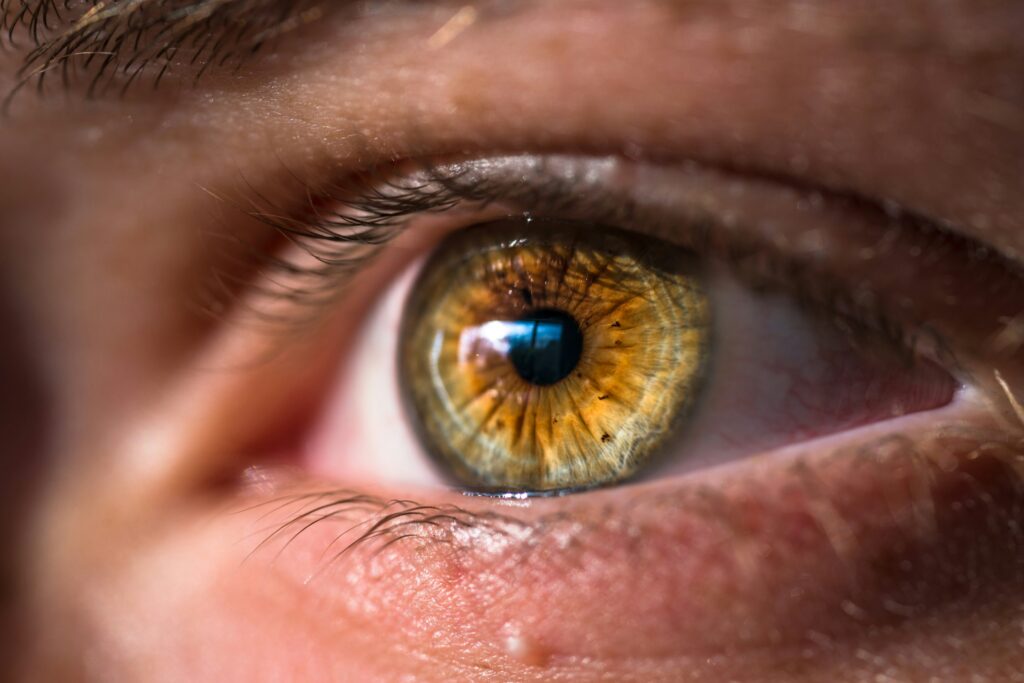
Noticing that the whites of your eyes have turned yellow can be alarming, and it should be taken seriously. Yellow eyes causes range from harmless surface growths to serious liver and blood conditions that need prompt medical attention. This guide covers every reason your eyes might look yellow, how to tell them apart, what the treatments involve, and exactly when you need to act fast.
What Does It Mean When Your Eyes Are Yellow?
The white part of your eye is called the sclera. It is normally white because it is made of dense fibrous connective tissue with very little pigment. When the sclera turns yellow, something is changing either at the surface of the eye or inside your body.
Yellow discoloration in the eyes usually falls into one of two categories. The first is a localized surface change, like a growth or deposit on the eye itself. The second is systemic, meaning something in your blood or organs is causing yellow pigment to accumulate throughout your body, including in your eyes.
The most important thing to understand is that yellow eyes are almost always a symptom of something else. They are not a diagnosis on their own. Finding the underlying cause is what determines the treatment.
Yellow Eyes Causes: The Complete List
Here is every major cause of yellow eyes, from the least serious to the most serious.
Pinguecula
A pinguecula is a yellowish, slightly raised growth on the white of the eye, usually on the side closest to the nose. It is one of the most common causes of a small yellow spot in the eye.
Pingueculae develop from long-term exposure to UV light, wind, dust, or dry conditions. They are essentially deposits of protein, fat, and calcium that build up on the conjunctiva over time.
They are benign and do not affect vision. However, they can become inflamed and uncomfortable, a condition called pingueculitis. If a pinguecula grows large enough to extend onto the cornea, it becomes a pterygium, which can eventually affect vision and may need surgical removal.
Jaundice
Jaundice is the most common systemic cause of yellowing in the whites of the eyes. It occurs when bilirubin, a yellow pigment produced when old red blood cells break down, builds up in the bloodstream faster than the liver can process it.
Normally, the liver filters bilirubin and removes it from the body through urine and stool. When this process breaks down, bilirubin accumulates in the tissues, turning the skin, urine, and whites of the eyes yellow.
The yellowing in the eyes is usually one of the earliest visible signs of jaundice.
Gallstones and Bile Duct Obstruction
When gallstones migrate from the gallbladder into the bile ducts, they can block the flow of bile. This blockage causes bilirubin to back up into the bloodstream, leading to jaundice and yellow eyes.
Bile duct stones are responsible for the majority of jaundice cases in adults over 45. Other bile duct obstructions, including tumors and strictures, cause the same effect.
You may also experience abdominal pain, particularly in the upper right abdomen, along with dark urine and pale stools if a bile duct is blocked.
Hepatitis
Hepatitis is inflammation of the liver. When the liver becomes inflamed, its ability to process bilirubin is compromised, leading to jaundice and yellow eye discoloration.
Hepatitis can be caused by:
- Viral infection from hepatitis A, B, or C
- Heavy alcohol consumption
- Toxin exposure
- Certain medications including steroids, acetaminophen overdose, and some antibiotics
- Autoimmune conditions
Cirrhosis
Cirrhosis is the replacement of healthy liver tissue with scar tissue, usually from long-term alcohol use or non-alcoholic fatty liver disease. As more liver tissue scars over, the liver loses its ability to function properly, including processing bilirubin.
Yellow eyes in someone with cirrhosis indicate significant liver dysfunction. Other symptoms often include fatigue, easy bruising, swollen abdomen, and confusion in advanced cases.
Hemolytic Anemia
Hemolytic anemia occurs when red blood cells are destroyed faster than the body can replace them. This rapid breakdown releases large amounts of bilirubin into the bloodstream all at once, overwhelming the liver’s processing capacity and causing jaundice.
This is an important cause the competitor article barely touched on. Sickle cell disease, certain medications, and autoimmune conditions can all trigger hemolytic anemia.
Cancer
Tumors in or around the liver, pancreas, gallbladder, or bile ducts can obstruct bile flow or directly damage liver function, causing bilirubin to accumulate. Pancreatic cancer, for example, often causes jaundice as one of its early symptoms because of how close the pancreas sits to the bile duct.
Yellow eyes accompanied by unexplained weight loss, abdominal pain, or fatigue always warrant urgent medical evaluation.
Pancreatitis
Inflammation of the pancreas can interfere with bile duct function when swelling compresses the common bile duct. This leads to bile backup and jaundice. Pancreatitis is usually accompanied by severe upper abdominal pain that radiates to the back.
Genetic and Metabolic Conditions
Several inherited conditions affect how the body processes bilirubin. Gilbert syndrome is a common and harmless genetic variation that causes mild, intermittent jaundice, especially during illness, stress, or fasting. Crigler-Najjar syndrome and Dubin-Johnson syndrome are rarer conditions that cause more persistent bilirubin buildup.
These conditions are typically diagnosed in childhood or early adulthood.
Malaria and Parasitic Infections
Malaria destroys red blood cells rapidly, releasing large quantities of bilirubin. Liver flukes, a type of parasitic worm, can infect and obstruct bile ducts. Both conditions cause jaundice and yellow eyes. These are more relevant for people who have traveled to tropical regions.
Pregnancy-Related Jaundice
Certain liver conditions can develop during pregnancy, including intrahepatic cholestasis of pregnancy, where pregnancy hormones slow bile flow in the liver. This can cause jaundice in later stages of pregnancy. It resolves after delivery but requires monitoring because of risks to the baby.
Slight Yellow in Eyes vs Full Yellowing: Does It Matter?
Yes, the extent of yellowing gives you useful information.
A small yellow spot or growth on one part of the sclera is most likely a pinguecula. This is localized and not related to internal organ function. It does not come with yellowed skin or dark urine.
Slight overall yellowing across the entire white of both eyes suggests mild jaundice. This can happen with Gilbert syndrome, mild hepatitis, or early-stage liver stress. It is worth investigating but is not always an emergency.
Pronounced yellowing across both eyes, particularly when combined with yellowed skin, dark urine, and pale stools, indicates significant bilirubin buildup. This needs prompt medical evaluation. The more yellow the eyes appear, and the more body areas are affected, the more urgently you should seek care.
Yellow Eyes in Adults vs Newborns
Yellow eyes in adults are almost always a sign of an underlying condition that needs investigation.
In newborns, mild jaundice is extremely common and usually harmless. About 60 percent of full-term newborns develop jaundice in the first few days of life. A newborn’s liver is still developing and often cannot keep up with the rapid breakdown of fetal red blood cells after birth.
Mild newborn jaundice typically resolves on its own within 1 to 2 weeks. Moderate to severe cases are treated with phototherapy, where special blue lights help break down bilirubin in the skin.
Severe untreated jaundice in newborns can lead to brain damage, which is why pediatricians monitor bilirubin levels carefully in the first week of life.
How Are Yellow Eyes Treated?
Treatment for yellow eyes depends entirely on the underlying cause. There is no single treatment for yellow eyes themselves.
Pinguecula Treatment
Most pingueculae do not need treatment. Lubricating eye drops help if they cause dryness or irritation. Anti-inflammatory drops reduce redness during flare-ups. Surgical removal is only considered if the growth interferes with vision or causes persistent discomfort.
Prevention is key: wear UV-blocking sunglasses outdoors and use lubricating drops in dry or windy conditions.
Jaundice from Liver Disease
Treatment focuses on the underlying condition. Hepatitis may be treated with antiviral medications, rest, and avoiding alcohol. Cirrhosis management focuses on slowing progression, managing complications, and in severe cases, liver transplantation.
Gallstone-Related Jaundice
Gallstones blocking bile ducts are usually removed through a procedure called ERCP (endoscopic retrograde cholangiopancreatography) or through surgery. Once the obstruction clears, bilirubin levels drop and the yellowing resolves.
Newborn Jaundice
Mild cases resolve without treatment. Moderate to severe cases use phototherapy with special blue lights that break down bilirubin through the skin. Severe cases may require exchange transfusion.
How Doctors Diagnose the Cause
An eye doctor who notices yellowing in your sclera will typically refer you to a primary care doctor or specialist for further evaluation. Diagnosis usually involves:
- Blood tests to measure bilirubin levels, liver enzymes, and red blood cell counts
- Liver function tests to assess how well the liver is working
- Ultrasound to look for gallstones or bile duct obstruction
- CT scan or MRI to evaluate liver, pancreas, and surrounding structures
- Urine and stool analysis to look for bilirubin and bile pigments
The combination of your symptoms, physical exam, and test results guides the diagnosis. Some causes become clear quickly with blood work. Others require imaging or specialist referral.
Can Yellow Eyes Go Away on Their Own?
It depends on the cause.
A pinguecula does not go away on its own but does not worsen rapidly either. It can stay stable for years.
Jaundice from Gilbert syndrome or mild temporary liver stress can resolve once the trigger is removed.
Newborn jaundice usually resolves within 1 to 2 weeks as the baby’s liver matures.
Jaundice from hepatitis, gallstones, cirrhosis, or cancer will not resolve on its own without treating the underlying cause. Hoping it clears up while ignoring the cause is dangerous, especially when serious conditions like cancer or bile duct obstruction are involved.
If you notice yellow discoloration in your eyes and it does not have an obvious benign explanation, see a doctor.
Warning Signs That Need Immediate Attention
Some situations require urgent or emergency care. Do not wait for a routine appointment if you experience yellow eyes alongside any of the following.
Go to the emergency room if you have:
- Sudden severe abdominal pain with yellowing eyes
- High fever with yellow eyes
- Confusion, disorientation, or difficulty thinking clearly
- Vomiting blood or black tarry stools
- Rapid worsening of jaundice over hours or days
See a doctor within 1 to 2 days if you have:
- Yellow eyes with no obvious cause
- Yellow eyes with dark urine or pale stools
- Yellow eyes with unexplained weight loss
- Yellow eyes with persistent fatigue or loss of appetite
Frequently Asked Questions
What are the most common yellow eyes causes in adults?
In adults, the most common causes are jaundice from liver or gallbladder conditions, pingueculae on the eye surface, and hepatitis. Jaundice-related yellowing affects both eyes and often comes with yellowed skin and dark urine. A pinguecula is a localized yellow spot with no systemic symptoms.
What does a slight yellow tinge in the eyes mean?
A slight overall yellowish tint in the whites of both eyes often indicates mild jaundice. This can be caused by Gilbert syndrome, mild liver stress, or the early stages of a liver or bile condition. A single yellow spot on one part of the eye is more likely a pinguecula. Either way, a doctor visit is a good idea to confirm the cause.
Can dehydration cause yellow eyes?
Dehydration itself does not directly cause yellow eyes. However, severe dehydration can stress the kidneys and liver, and if you are already dealing with a borderline liver condition, dehydration can make jaundice symptoms more visible. Yellow eyes are not a normal symptom of simple dehydration.
What does it mean if only one eye is yellow?
If only one eye appears yellow and the yellowing is localized to a specific area of the sclera, a pinguecula or pterygium is the most likely explanation. Systemic jaundice typically affects both eyes equally. A single yellow spot in one eye without any systemic symptoms is usually not an emergency but should be evaluated by an eye doctor.
Is jaundice in adults serious?
Yes, jaundice in adults is always worth taking seriously. Unlike newborn jaundice, which is usually a temporary and harmless developmental issue, jaundice in adults almost always indicates an underlying condition affecting the liver, bile ducts, or blood. Some causes are mild and easily treated. Others, like cancer or cirrhosis, require urgent intervention. Never ignore unexplained yellowing in adult eyes.
Final Thoughts
Yellow eyes causes range from a harmless surface growth you can live with for years to serious internal conditions that need prompt medical care. The whites of your eyes are one of the first places bilirubin buildup becomes visible, which makes them a useful early warning system for liver and blood health.
If you notice yellowing in your eyes, do not ignore it or wait to see if it goes away. Get it checked. Most causes are treatable, especially when caught early. Your eyes are telling you something. Listen to them.