
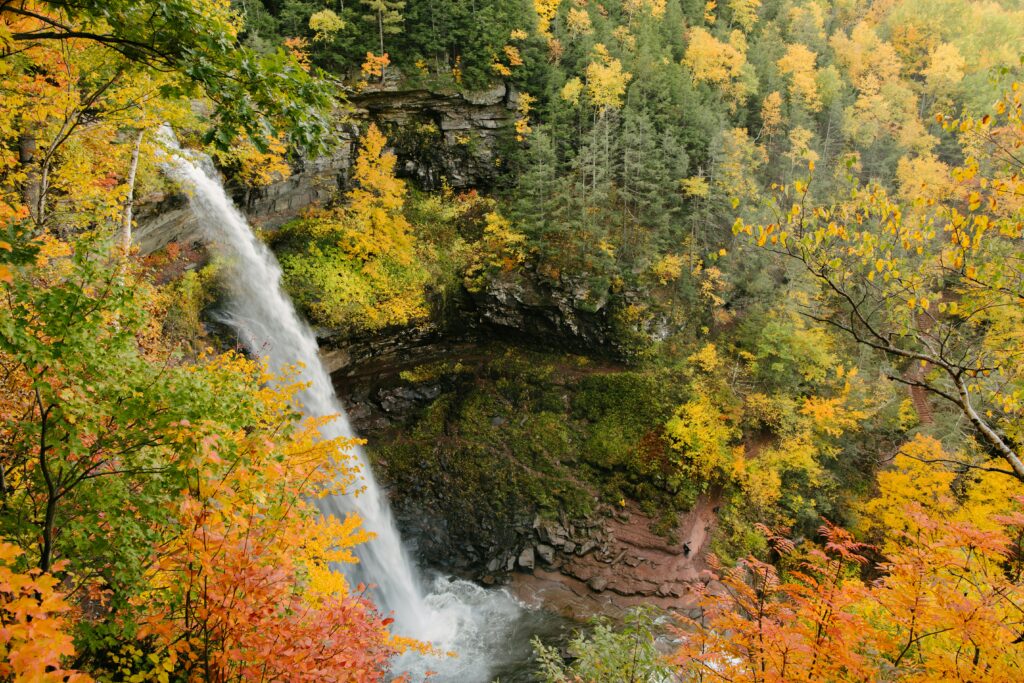
Fall is genuinely the best season to travel in the United States. The summer crowds thin out, the heat breaks, prices drop, and the entire country turns spectacular shades of orange, red, and gold. Whether you want a cozy long weekend in a walkable city, a national park immersed in autumn color, wine country at harvest time, or coastal foliage drives — the US has more fall travel options than anywhere else on earth.
This guide covers the 10 best fall trips in the US, with 3-day itinerary breakdowns for each destination, the best time to go within the fall window (September, October, or November), and what makes each location uniquely worth visiting at this time of year. These work as long weekend trips for people with limited vacation time and as the foundation for longer trips if you have more flexibility.
Quick Comparison: Best Fall Trips in the US
| Destination | Best Month | Best For | Trip Length |
| New York City | October – early November | City culture, food, fall foliage | 3–4 days |
| New England | Late September – October | Peak fall foliage, small towns | 4–7 days |
| Shenandoah NP, Virginia | Mid-October | Foliage hikes, Blue Ridge Parkway | 2–3 days |
| Asheville, NC | October | Blue Ridge Parkway, arts, beer | 3 days |
| Great Smoky Mountains | Late October | Most-visited NP, fall color | 2–3 days |
| Washington, DC | October | History, food, free museums | 3 days |
| North Cascades, WA | Late September – early October | Golden larches, least-visited NP | 3 days |
| Portland, Oregon | October | Gorge, food, wine, waterfalls | 3 days |
| Central California | October | Wine harvest, moody coast | 3 days |
| Northern Minnesota | Late September – mid-October | Lake Superior, foliage, waterfalls | 3 days |
1. New York City — Fall Energy in the World’s Greatest City
There is no bad time to visit New York City, but fall sits in a league of its own. The brutal summer heat and humidity are gone. The summer tourist crowds have thinned. The trees in Central Park, Riverside Park, and Prospect Park begin turning gold and amber from mid-October through early November, and the city’s legendary energy feels sharper and cozier somehow — Broadway season is in full swing, restaurants are packed with locals, and the whole place hums with autumn purpose.
Fall in NYC also means excellent hotel value compared to the peak summer and spring seasons. Midweek rates particularly in October and November can be 20–30% cheaper than summer peaks while the weather is arguably better.
Best time to visit NYC in fall
Mid-October through early November is the sweet spot. The foliage in Central Park peaks around the third week of October. Early September is still summer-adjacent with summer crowds. Late November is fine but Thanksgiving week brings its own crowd surge.
3-day NYC fall itinerary
- Day 1: Start with coffee and a walk over the Brooklyn Bridge at sunrise — the light on the Manhattan skyline is extraordinary in fall. Spend the morning in DUMBO and Williamsburg. Cross back to Manhattan for an afternoon in Chelsea: walk the High Line, explore Chelsea Market, and catch the sunset from Pier 57 over the Hudson. Finish with dinner in the West Village and an evening Broadway show — rush tickets bought in person at the box office the morning of a show often sell for 60–75% off the original price.
- Day 2: Grab a classic New York bagel and spend the morning in Central Park — the Conservatory Garden and the Ramble are at their most beautiful in fall foliage. After the park, head to the Upper East Side for the Metropolitan Museum of Art. Spend the afternoon at the Met, grab a slice of pizza by the slice for lunch, and head to the Empire State Building observation deck at golden hour for one of the most spectacular fall cityscapes in the world.
- Day 3: Explore NoMad and Flatiron in the morning — Madison Square Park has excellent fall foliage and some of the best food vendors in the city nearby. Head to the High Line in the afternoon if you missed it on Day 1, then spend the evening in the East Village or Lower East Side for dinner and drinks at one of Manhattan’s incredible neighborhood wine bars or cocktail bars.
Pro tip: The New York Botanical Garden in the Bronx has a spectacular fall garden display and is far less crowded than Central Park. Worth a half-day detour if you have a fourth day in the city.
2. New England — The Iconic American Fall Foliage Experience
No fall trips list is honest if it leaves off New England. Vermont, New Hampshire, Maine, and the Berkshires of western Massachusetts represent the most photographed fall foliage in the country. The combination of maple-heavy forests, white-steepled village churches, covered bridges, and apple orchards creates a fall aesthetic that has become the defining American autumn image worldwide.
The foliage in New England progresses roughly north to south and high to low elevation throughout September and October. Northern Vermont and the White Mountains of New Hampshire typically peak in late September to early October. Southern Vermont and Connecticut typically peak in mid-to-late October. This progression means you can plan your trip around peak color at different stages.
Best time for New England fall foliage
Late September to mid-October for most of Vermont and New Hampshire. Mid-to-late October for southern New England (Connecticut, Rhode Island, the Berkshires). The exact peak shifts by several days each year depending on temperature and rainfall — the Vermont Foliage website posts weekly reports with current peak maps.
3-day New England fall itinerary — Vermont focus
- Day 1: Fly into Burlington, Vermont (BTV) or Boston (BOS) and rent a car. Drive to Stowe, Vermont. Walk the Stowe Recreation Path through the village, lined with maples. Have dinner at the Hen of the Wood. Overnight in Stowe.
- Day 2: Drive the Smugglers Notch road in the morning for dramatic mountain foliage. Head to Waterbury for the Ben & Jerry’s factory tour (fun, quintessentially Vermont). Drive south along Route 100 — one of New England’s most beautiful fall drives — stopping at small towns like Warren and Waitsfield in the Mad River Valley. Dinner in Montpelier or Woodstock.
- Day 3: Spend the morning in Woodstock, Vermont — widely considered one of the most beautiful villages in New England. Drive to Quechee Gorge (Vermont’s ‘Little Grand Canyon,’ spectacular in fall). Head to Grafton for the Grafton Village Cheese Company, then either drive back to Boston for your flight home or extend into New Hampshire’s White Mountains.
Alternative: The Kancamagus Highway (NH Route 112) through the White Mountains of New Hampshire is one of the most spectacular fall drives in the entire country and makes an excellent alternative to or extension of a Vermont foliage trip.
3. Shenandoah National Park, Virginia — Skyline Drive in Full Color
Shenandoah National Park is one of the most underrated fall destinations in the eastern United States. The park follows the crest of the Blue Ridge Mountains for 105 miles through Virginia, with Skyline Drive running its entire length past 75 overlooks. In mid-October, when the hardwood forest covering the mountains turns gold and scarlet, those overlooks become some of the most breathtaking viewpoints in American national park history.
Shenandoah is easily accessible from Washington, DC — about 90 minutes from the city — making it an excellent add-on to a DC trip or a standalone long weekend escape from the mid-Atlantic region. Lodging inside the park (at Skyland Resort and Big Meadows Lodge) books out months in advance for the October peak foliage season, so cabin rentals in the surrounding Shenandoah Valley towns are a practical alternative.
Best time for Shenandoah fall foliage
Mid-to-late October. The foliage typically peaks around October 15–25 at mid-elevations along Skyline Drive. Check the Shenandoah National Park website for current foliage updates, which are posted weekly in fall.
3-day Shenandoah fall itinerary
- Day 1: Drive into the park from Front Royal (northern entrance) and begin the Skyline Drive south. Stop at every overlook you want — Dickey Ridge Visitor Center has an orientation film and great initial views. Hike Compton Peak (2.4 miles, moderate) for your first sweeping panoramic view of the foliage. Overnight in Luray or Shenandoah Valley.
- Day 2: Rise before sunrise and drive to Stony Man trailhead for the park’s most rewarding easy hike — Stony Man (1.6 miles, easy) reaches the summit at 4,011 feet with 360-degree views. Then hike Old Rag Mountain if you are up for the challenge — it is the park’s most famous and demanding hike (9 miles, strenuous) but the views are extraordinary. Reservations now required for Old Rag from March through November. Evening at Big Meadows for stargazing.
- Day 3: Drive the southern section of Skyline Drive toward Rockfish Gap. Stop at Loft Mountain Overlook (exceptional Valley views) and the Doyles River Trail for a waterfall walk. Exit at Rockfish Gap and head to Charlottesville for dinner before heading home — Charlottesville has an excellent food and wine scene anchored by its proximity to Monticello wine country.
4. Asheville, North Carolina — Blue Ridge Parkway and the Best Small City in the South
Asheville, North Carolina has been building its reputation as one of the best small cities in America for well over a decade, and fall is the season when everything clicks into place. The Blue Ridge Parkway runs directly through the mountains surrounding Asheville, and the combination of 180-degree mountain views draped in autumn color, one of the best craft beer scenes in the country, a thriving arts district, and a nationally acclaimed restaurant lineup makes Asheville a fall destination that punches well above its size.
The city sits at 2,134 feet elevation, meaning fall temperatures arrive earlier than in the surrounding lowlands — it’s jacket weather in Asheville when it’s still warm in Charlotte or Raleigh. The foliage in the surrounding Blue Ridge Mountains typically peaks between mid-and-late October.
3-day Asheville fall itinerary
- Day 1: Arrive in Asheville and explore the downtown River Arts District — an entire neighborhood of former industrial buildings converted into galleries, studios, and restaurants. The Wedge Brewing Company inside the district has a perfect outdoor area for fall afternoons. Dinner on Lexington Avenue in the West Asheville neighborhood.
- Day 2: Drive the Blue Ridge Parkway. Head north from Asheville toward the Craggy Gardens section (Milepost 364), one of the parkway’s highest areas and most stunning fall viewpoints. Continue to the Folk Art Center (Milepost 382) for traditional Appalachian crafts and folk art. Sunset from the Black Balsam Knob trailhead at the parkway’s highest elevation sections.
- Day 3: Visit the Biltmore Estate — America’s largest privately owned home, a 8,000-acre Gilded Age French château estate on the edge of Asheville. The grounds in fall foliage are extraordinary and the harvest festival events are worth timing your visit around. Spend the afternoon exploring the Biltmore Village shops and cafés adjacent to the estate entrance.
5. Great Smoky Mountains, Tennessee and North Carolina — Most-Visited National Park in Fall Color
Great Smoky Mountains National Park is the most visited national park in the United States by a significant margin, and that popularity peaks in October when the park’s 100-plus species of trees produce one of the most diverse and spectacular fall color displays on the planet. The variety of tree species — tulip poplars, maples, oaks, dogwoods, and sourwoods — means the color display is more nuanced and varied than almost any other fall destination in the country.
The Smokies are split between Tennessee (Gatlinburg and Pigeon Forge side) and North Carolina (Cherokee side). The Tennessee entrance near Gatlinburg gets the bulk of the crowds. For a quieter experience, the North Carolina/Oconaluftee entrance via Cherokee offers the same park access with significantly fewer people, particularly on weekends.
Best time for Smoky Mountains fall color
Mid-October to early November. The color progression moves down the mountain elevations — highest elevations (Clingmans Dome, 6,643 feet) peak in late September to early October, mid-elevations peak mid-October, and the lower valley floors around Gatlinburg typically peak in late October to early November.
3-day Smoky Mountains fall itinerary
- Day 1: Fly into Knoxville (TYS) or Asheville (AVL) and drive to Gatlinburg. Hike Alum Cave Trail to Mount LeConte (11 miles round trip, strenuous) for one of the park’s most spectacular ridge-line fall views. Dinner in Gatlinburg — skip the tourist trap main strip and eat at one of the locally owned spots in the side streets.
- Day 2: Drive Newfound Gap Road — the main road crossing the park ridge — and stop at every overlook. The pullouts at Morton Overlook and the Chimney Tops viewpoint are exceptional. Visit Clingmans Dome by sunrise if conditions allow (access road sometimes closes in October fog). In the afternoon, hike the Laurel Falls Trail (2.6 miles, easy) to the park’s most popular waterfall, which is framed beautifully by fall foliage.
- Day 3: Cross into the North Carolina side via Newfound Gap and visit the Cherokee entrance area. The Oconaluftee Valley overlook is less crowded than the Tennessee side and equally beautiful. Drive the Blue Ridge Parkway east from Cherokee toward Waterrock Knob for one of the Parkway’s most dramatic mountain overlooks before heading home.
6. Washington, DC — History, Food, and Fall Foliage on the Mall
Washington, DC is one of the most underrated fall cities in America. Spring gets all the attention for the cherry blossoms, and summer brings enormous crowds to the monuments and museums. But fall DC is quieter, more local, and arguably more enjoyable. The crowds thin dramatically after Labor Day, the temperatures drop to pleasant jacket weather, and the Mall’s tree-lined paths turn gold throughout October.
DC’s greatest assets as a fall destination are its free museums — the Smithsonian Institution’s 19 museums and galleries on and around the National Mall require no tickets and no reservations for most exhibits — and its increasingly excellent food scene, which now competes with any major American city.
3-day Washington DC fall itinerary
- Day 1: Start in Capitol Hill at Eastern Market for breakfast — the Market Lunch counter inside is a DC institution. Walk to the Library of Congress (Thomas Jefferson Building, free to enter) for one of the most stunning interiors in America. Spend the afternoon at the National Gallery of Art. Evening in the Logan Circle neighborhood for dinner at one of the area’s excellent restaurants.
- Day 2: The waterfront day. Start in Georgetown in the morning — walk the C&O Canal towpath through the neighborhood as the leaves fall. Take the DC Circulator or a rideshare to the Wharf waterfront development for lunch on the water. Walk across the 11th Street Bridge Park to Navy Yard for the Anacostia Riverfront. Dinner in Navy Yard — the restaurant scene here has exploded in quality over the past several years.
- Day 3: Rent a bike and do the full National Mall loop — Lincoln Memorial, WWII Memorial, Vietnam Veterans Memorial, Washington Monument, US Capitol — ideally early morning when the light on the monuments in fall is extraordinary. Reserve timed entry for the National Museum of African American History and Culture (free but requires advance reservation at si.edu). Sunset from the Lincoln Memorial steps looking east down the Reflecting Pool to the Washington Monument.
Note: Political protest activity in DC can affect the Mall and monument areas. Check local news before planning a trip around specific Monument areas.
7. North Cascades, Washington — America’s Most Remote National Park Turns Gold
The North Cascades National Park in Washington State is consistently ranked as the least visited national park in the lower 48 states, and the reason is access rather than quality — this is one of the most spectacular mountain landscapes on the continent. In late September and early October, when the western larch trees turn golden yellow, the North Cascades become one of the most visually dramatic places in the entire country.
The larch is unique among conifers: it turns golden yellow and drops its needles in fall like a deciduous tree. The combination of gold larch, dark evergreen fir and pine, and the jagged grey peaks of the Cascades is almost impossibly beautiful. The window is short — typically two to three weeks in late September to early October — but worth planning around.
Best time for North Cascades larches
Late September to the first week of October. The larch window is narrow — check conditions on the Washington Trails Association website (wta.org) for real-time trail reports before planning your trip.
3-day North Cascades fall itinerary
- Day 1: Fly into Seattle-Tacoma (SEA) and rent a car. Drive 3–4 hours east through the park on Highway 20. Stop at the Diablo Lake Overlook for one of the most stunning views in Washington State — the lake’s turquoise color against fall foliage is unreal. Base yourself in the small town of Winthrop, Mazama, or Twisp on the eastern side of the Cascades. Dinner in Winthrop.
- Day 2: Wake up before sunrise to beat the crowds at popular trailheads. Top larch trails: Grasshopper Pass via the Pacific Crest Trail (11 miles, moderate) offers the best larch views in the North Cascades. Maple Pass Loop (7 miles, strenuous) is the most popular — beautiful but crowded; arrive by 5:30 AM on weekends. Blue Lake (4.4 miles, moderate) is more accessible and excellent for first-timers. Bring layers — morning temperatures at elevation in late September can be below freezing.
- Day 3: A second trail or a more relaxed morning exploring the Methow Valley before driving back to Seattle. The valley has excellent coffee shops and farm stands. Allow 3–4 hours for the drive back to SEA for an evening flight.
8. Portland, Oregon — Waterfalls, Wineries, and the Columbia River Gorge
Portland is a city that has arguably the best combination of urban amenities and accessible outdoor experiences of any mid-sized American city, and fall is when this balance tips to its most enjoyable. The Columbia River Gorge — a cathedral of basalt columns and ancient waterfalls just 30 minutes from downtown — turns gold in October. The wine country in the Willamette Valley to the south is in the middle of harvest season. And Portland’s restaurant scene, which punches significantly above its size, is firing on all cylinders.
Fall weather in Portland runs from pleasant (September, early October) to moody and rainy (mid-November onward). October is the sweet spot — enough rain to make waterfalls spectacular, not enough to make outdoor exploration miserable. Come prepared with layers and a waterproof jacket regardless.
3-day Portland fall itinerary
- Day 1: Start at Powell’s Books — one of the best independent bookstores in the world, occupying an entire city block. Pick up a field guide or travel book for the weekend. Head to the Hoyt Arboretum for a morning walk through fall foliage — this free urban forest within Washington Park has extraordinary fall color. Afternoon at the Japanese Garden, also in Washington Park. Grab apple cider donuts and chai tea from Pip’s Original Doughnuts — a Portland fall tradition. Dinner in the Pearl District.
- Day 2: Columbia River Gorge day. Drive Historic Highway 30 east from Portland — the first scenic highway in America, engineered specifically for landscape viewing. Stop at Vista House Crown Point for the first panoramic view of the gorge. Continue to Latourell Falls, Bridal Veil Falls, and Multnomah Falls — the 620-foot two-tiered waterfall is the crown jewel and most photographed waterfall in Oregon. Hike to the Wahclella Falls trailhead (2 miles, easy) if time allows. Dinner back in Portland at one of the city’s excellent restaurants.
- Day 3: Willamette Valley wine day. Drive south 45 minutes to the Dundee Hills — Oregon’s most prestigious wine sub-region for Pinot Noir. Domaine Drouhin, Eyrie Vineyards, and Sokol Blosser are among the historic producers in the area. Fall is harvest season — some wineries offer harvest experiences and barrel tastings available only in this window. Finish at one of the charming small towns along Highway 99W (Dundee, McMinnville) for dinner before driving back to Portland.
9. Central California Coast — Wine Harvest and Moody Ocean in October
Central California in October has a specific appeal that is hard to find anywhere else in the country: the Paso Robles wine region is in the middle of harvest season, the fog-draped Pacific coast south of Big Sur is at its most atmospherically beautiful, and the inland valleys and beach towns of San Luis Obispo County have shed their summer tourist gloss to reveal what makes this region genuinely special.
The tri-county area of San Luis Obispo, Santa Barbara, and Monterey gives you wine country, dramatic coastal scenery, charming downtowns, and excellent food — all within a two-to-three hour radius. Fly into LAX or SFO and rent a car; this is definitively a road trip destination.
3-day Central California fall itinerary
- Day 1: Fly into LAX, pick up a rental car, and drive the 3.5-hour route north through Malibu and the Santa Barbara coast. Base yourself in either Pismo Beach, San Luis Obispo (SLO), or Paso Robles. Explore Pismo Beach in the late afternoon — walk the pier, watch the sunset over the Pacific, and get clam chowder in a sourdough bread bowl at one of the pier-side restaurants. The monarch butterfly migration through Pismo Beach typically begins in late October and peaks in November.
- Day 2: Paso Robles wine tasting day. The wine region produces over 200 varieties — Zinfandel, Cabernet Sauvignon, Rhône varietals, and Viognier are the strengths. Booking a guided wine tour means you do not need to worry about driving between wineries. Downtown Paso Robles has a beautiful plaza surrounded by restaurants and wine-tasting rooms that are at their most pleasant in fall without summer crowds. October also brings the Harvest Wine Weekend event (typically third weekend of October) with special winery access.
- Day 3: Morning at Morro Bay — the 576-foot volcanic plug rising from the bay is one of the California coast’s most iconic landmarks, and the surrounding state park is excellent for walking in fall fog. Drive the highway south through Avila Beach (excellent thermal hot springs baths here at Avila Hot Springs) and end in downtown San Luis Obispo for lunch and a walk through the Thursday Farmers Market (one of the best in California) before driving back to LAX.
10. Northern Minnesota — Lake Superior Foliage and the Underrated Great Lakes Fall
Northern Minnesota is genuinely one of the most underrated fall destinations in the United States. The North Shore of Lake Superior — the stretch of Highway 61 running from Duluth to the Canadian border — offers 150 miles of some of the most spectacular fall foliage in the country: a combination of maple-dominated forests, dramatic basalt cliff coastline, and dozens of waterfalls at their highest flow from September rain.
The region is quiet in fall — far fewer crowds than New England or the Smokies — and the towns along the North Shore (Grand Marais, Lutsen, Two Harbors) have developed into genuine small-town food and culture destinations with excellent local breweries, coffee roasters, and restaurants catering to an outdoors-focused clientele.
Best time for Northern Minnesota fall foliage
Late September to mid-October. The maple-heavy forests peak earlier than oak-dominant forests further south — plan for the last week of September and first week of October for the brightest colors. Split Rock Lighthouse (one of the most photographed lighthouses in America) is spectacular against the fall foliage background.
3-day Northern Minnesota fall itinerary
- Day 1: Fly into Minneapolis-St. Paul (MSP) or Duluth (DLH) and rent a car. Drive north on Highway 61. Stop at Split Rock Lighthouse State Park — the lighthouse perched above Lake Superior surrounded by hardwood forest is one of the most photographed fall scenes in the Midwest. Continue to Gooseberry Falls State Park for a quick walk to the lower and upper falls. Base yourself in Lutsen or Grand Marais. Dinner at the Angry Trout Café in Grand Marais — one of the best casual restaurants in Minnesota.
- Day 2: Hike Oberg Mountain (3.5 miles, easy) in the morning — the loop trail passes a series of overlooks above a maple-ringed lake and is one of the best fall hikes in Minnesota. Afternoon at Tettegouche State Park — hike to High Falls (the state’s highest waterfall at 60 feet), visible directly from a viewing platform. Take the Lutsen Mountain gondola to the top of Moose Mountain in the late afternoon for aerial views of the fall color. Dinner at Voyager Brewing in Grand Marais.
- Day 3: Drive the Gunflint Trail west into the Boundary Waters Canoe Area Wilderness for one last morning of North Shore fall scenery. Stop at Cascade River State Park on the way south for a waterfall walk through spectacular fall forest. Continue south along Highway 61 back toward Duluth — the drive itself is the destination. Stop at Canal Park in Duluth to watch Great Lakes freighters pass through the aerial lift bridge before heading home.
For more US travel planning including city guides and regional itineraries, see TheChronex.com Travel.
For national park entry fees, reservations, and closures during fall, see the National Park Service at nps.gov — many parks now require advance timed entry reservations during peak fall weekends.
Bottom Line: Best Fall Trips in the US by Traveler Type
| Traveler Type | Best Fall Destination |
| City lovers / foodies | New York City (October), Asheville NC, Portland OR, Washington DC |
| Foliage chasers — East | New England (late Sept/Oct), Shenandoah NP (mid-Oct), Smoky Mountains (Oct) |
| Foliage chasers — West | North Cascades (late Sept) — gold larches, Portland Gorge (Oct) |
| Wine and food | Central California / Paso Robles (Oct harvest), Willamette Valley OR (Oct harvest) |
| Hikers | Shenandoah NP, North Cascades, Great Smoky Mountains, Northern Minnesota |
| Couples | Asheville NC, Central California, New England small towns, Portland OR |
| Budget travelers | Washington DC (free museums, free monuments), Northern Minnesota |
| Families | Great Smoky Mountains, Shenandoah NP, New York City (long weekend) |
| September trips | North Cascades (larches), Northern Minnesota (early peak), NYC (shoulder season prices) |
| October trips | All 10 destinations; October is peak fall month across the US |
| November trips | NYC (foliage lasts into November), Central California (monarch butterflies), DC |
Related Guides
See also: Best fall hikes upstate New York.
Source: Fodor’s fall travel guide US.
Frequently Asked Questions
What are the best fall vacations in the US?
The best fall vacations in the US include New York City in October for city fall foliage and Broadway, New England for peak maple foliage (late September to mid-October), Shenandoah National Park for Virginia Blue Ridge foliage hiking, Asheville NC for the Blue Ridge Parkway and craft beer scene, and the North Cascades in Washington for golden larch trees. The Great Smoky Mountains, Washington DC, Portland Oregon, Central California wine country, and the North Shore of Lake Superior in Minnesota all rank among the top fall destinations as well.
Where should I go for a fall vacation in the US?
For foliage, New England and the Appalachian region (Shenandoah, Smokies, Asheville) offer the best fall color. For city energy with fall atmosphere, New York City and Washington DC are outstanding. For outdoor experiences in the West, the North Cascades National Park and the Columbia River Gorge near Portland are spectacular. For wine country at harvest season, Central California (Paso Robles) and Oregon’s Willamette Valley offer wine tasting at its most rewarding.
When is the best time for a fall trip in the US?
October is the peak fall travel month in the US — foliage is at or near peak across most of the country, temperatures are ideal for both outdoor and city travel, and the summer crowds have fully cleared. Late September is ideal for the northern states and high-elevation destinations (Vermont, North Cascades, Northern Minnesota). November works well for the Southeast (Smokies), mid-Atlantic (DC), and coastal California destinations where weather stays mild.
What are the best fall weekend getaways in the US?
The best fall weekend getaways in the US include Shenandoah National Park from Washington DC (90-minute drive, excellent 2-day hike options), Asheville NC (accessible from the Southeast, full fall mountain town experience in 3 days), Portland Oregon for the Columbia River Gorge (all the fall color in easy day-trip distance), the North Shore of Minnesota (3-day loop from Minneapolis/Duluth), and New York City (3-day itinerary covers the highlights and costs can be managed by avoiding peak nights).
What states have the best fall foliage in the US?
The states with the best fall foliage in the US are Vermont (peak late September to mid-October), New Hampshire (White Mountains, late September to October), Maine (September into October), Michigan’s Upper Peninsula (late September), the mountain regions of North Carolina and Tennessee (mid-to-late October), Virginia’s Shenandoah Valley (mid-October), Washington State (North Cascades larches, late September), and Minnesota’s North Shore (late September to early October).
Is fall a good time to visit national parks?
Fall is an excellent time to visit most national parks. Summer crowds have thinned, temperatures at high elevations are manageable, and the foliage adds extraordinary visual drama to landscapes that are already beautiful. The main caveats: some facilities (campgrounds, visitor center hours) reduce in fall; some high-elevation roads may close with early snowfall; and popular parks like Shenandoah, Smoky Mountains, and North Cascades can still be busy on fall foliage peak weekends, particularly Saturdays. Arriving on Sundays or weekdays gives significantly better access to trails and viewpoints.