
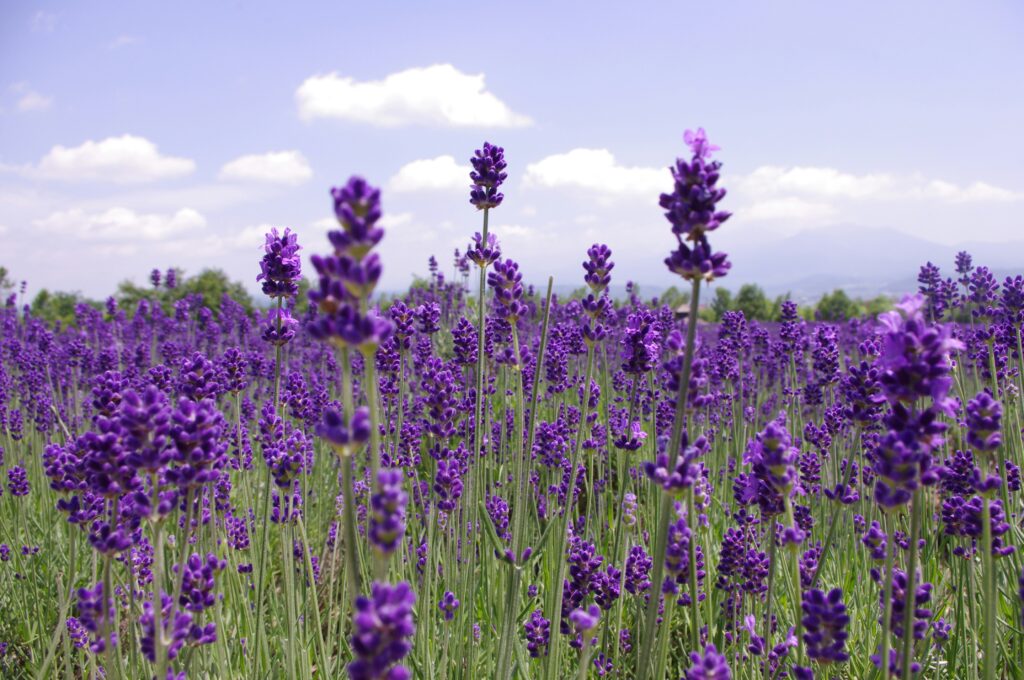
Lavender has a reputation for being difficult to grow from seed — and that reputation is only partly deserved. Yes, lavender seeds germinate more slowly and unpredictably than most herbs. But with one simple technique (cold stratification), germination rates improve dramatically, and the whole process becomes genuinely straightforward. The reward is one of the most beautiful, fragrant, and versatile plants you can grow.
This guide covers everything you need to know about growing lavender from seed — from choosing the right variety to germination, containers, soil, watering, pruning, and using fresh lavender in the kitchen.
Choosing the Right Lavender Variety
| Type | Height | Hardiness | Best For |
| English Lavender | 24-36 inches | Zones 5-8 | Best for beginners, containers, cooking |
| French/Spanish Lavender | 18-24 inches | Zones 7-11 | Hot climates; ornamental; more heat tolerant |
| Lavandin (hybrid) | 24-48 inches | Zones 5-9 | High oil production; stronger scent; not for cooking |
For beginners growing lavender from seed, English Lavender (Lavandula angustifolia) is the best choice for several reasons:
- Most compact growth habit — ideal for containers and smaller gardens
- Hardy down to USDA Zone 5 — survives cold winters that would kill other types
- Best flavor for cooking — subtler and less bitter than French lavender or Lavandin
- Most widely available seeds and easiest to germinate
Popular English lavender varieties include Hidcote (compact, deep purple), Vera (good for drying), Munstead (early bloomer, cold hardy), and Phenomenal (especially disease-resistant).
When to Plant Lavender Seeds
Timing lavender seed starting correctly makes a significant difference:
- Indoors: Start lavender seeds indoors 6-8 weeks before the last frost date in your area. In most of the US, this means January-March for spring planting.
- Outdoors (direct sow): In warm climates (Zone 7+), lavender seeds can be sown directly outdoors in early spring after the last frost, or in fall in areas with mild winters.
- Cold stratification timing: If cold stratifying seeds (see below), start the stratification process 5-6 weeks before you plan to plant, adding that time to your starting schedule.
Lavender will not germinate well when soil temperatures exceed 70°F — it goes into thermal dormancy in high heat. Start seeds in spring or early summer before temperatures climb, or in late fall for a spring emergence.
How to Germinate Lavender Seeds: Cold Stratification
What Is Cold Stratification?
Cold stratification is the process of simulating the natural winter-spring cycle that lavender seeds experience in the wild. In nature, lavender seeds fall in late summer or fall, spend the winter dormant in cold soil, then sense the arrival of spring warmth and germinate. Mimicking this process significantly improves germination rates.
How to Cold Stratify Lavender Seeds
- Step 1: Lightly moisten a paper towel — damp but not dripping wet.
- Step 2: Sprinkle lavender seeds onto one half of the damp paper towel.
- Step 3: Fold the other half over the seeds to sandwich them.
- Step 4: Place the paper towel into a resealable plastic bag and seal it.
- Step 5: Label the bag with the date and variety.
- Step 6: Place the bag in the refrigerator (not the freezer) for 4-6 weeks.
- Step 7: After 4-6 weeks, remove from the refrigerator — this signals the seeds that ‘spring’ has arrived.
- Step 8: Plant immediately after removing from the refrigerator.
The refrigerator temperature of 34-40°F closely mimics natural winter soil temperatures. This process breaks the seed’s natural dormancy and primes it for germination.
Alternative: Skip Stratification and Plant More Seeds
Cold stratification improves germination rates but isn’t strictly required. An alternative approach: simply plant significantly more seeds than you need. Lavender seeds are inexpensive, and if you plant 20-30 seeds expecting 30-50% germination, you’ll still get plenty of plants without stratification. This is a practical approach for gardeners who want to skip the refrigerator step.
How to Plant Lavender Seeds
Step 1: Prepare Your Seed Starting Mix
Use a well-draining seed starting mix rather than regular potting soil. Lavender seeds need:
- Good drainage — lavender roots are very sensitive to waterlogging even at the seedling stage
- Light, fine texture — allows delicate roots to establish easily
- Low fertility — lavender prefers lean soil; rich mixes can cause leggy, weak growth
A good DIY seed starting mix for lavender: 2 parts peat moss or coconut coir + 1 part perlite. This drains well while holding enough moisture for germination.
Step 2: Fill Containers
Use seed trays, small pots, or cell packs. Fill with the seed starting mix and gently firm it down, leaving about half an inch from the top.
Step 3: Plant Seeds on the Surface
This is the most important step many beginners get wrong: lavender seeds require light to germinate. Do NOT bury them.
- Place 2-3 seeds per cell or pot on top of the soil surface
- Gently press seeds into the surface with a finger — they should make contact with the soil but not be covered
- Do not cover with more soil — seeds buried even a quarter inch deep often fail to germinate
Step 4: Water Gently
Mist the surface gently with a spray bottle to avoid dislodging seeds. Keep the surface consistently moist — not soggy — during the germination period. Bottom watering (placing the tray in a shallow dish of water and letting it absorb from below) is ideal as it avoids disturbing seeds on the surface.
Step 5: Provide Light and Warmth
- Light: Place under grow lights or in a bright south-facing window. Light is essential for germination — seeds without adequate light will not sprout even if moisture and temperature are perfect.
- Temperature: Keep at 65-70°F during germination. A heat mat helps maintain consistent soil temperature and can significantly speed up germination.
- Humidity dome: Cover the tray with a clear plastic dome or plastic wrap to retain moisture during germination.
How Long Does Lavender Take to Germinate?
Lavender germination is notoriously slow and variable — this is the primary source of frustration for beginners who give up too soon.
| Condition | Germination Timeline |
| Cold stratified seeds, heat mat | 7-14 days |
| Cold stratified seeds, room temperature | 14-21 days |
| Non-stratified seeds, heat mat | 21-30 days |
| Non-stratified seeds, room temperature | 30-90 days (or longer) |
| No light, any condition | May not germinate at all |
Key message: Do not give up on lavender seeds before 90 days. It is completely normal for lavender to take 2-3 months to germinate without cold stratification. Many gardeners discard perfectly good seeds after a few weeks thinking they’ve failed. Leave them, keep conditions consistent, and be patient.
Transplanting Lavender Seedlings
Transplant lavender seedlings when they reach about 1 inch tall and have developed their first true leaves (the second set of leaves, which look more like adult lavender leaves than the seed leaves).
- Gently loosen seedlings from cell trays — handle by the leaves, not the stem
- Plant into a pot or garden bed at the same soil depth as they were in the seed tray
- Do not plant deeper — lavender stems can rot if buried
- Water gently after transplanting and keep in a sheltered spot for a few days to reduce transplant stress
Choosing the Right Container for Lavender
Container selection matters significantly for lavender’s health:
- Size: 7-10 gallon containers give lavender room to develop into a full, bushy plant without becoming root-bound. Smaller containers dry out too quickly and restrict growth.
- Material: Unglazed terracotta pots are excellent — they’re porous, allowing air exchange and preventing waterlogging. Fabric grow bags are another outstanding option for the same reasons.
- Avoid: Glazed ceramic, metal, or plastic containers with poor drainage — these retain moisture and can cause root rot.
- Drainage holes: Essential. Every lavender container must have drainage holes. Never let lavender sit in standing water.
Note: Do NOT place a layer of gravel at the bottom of the pot — this is a common gardening myth. It actually creates a perched water table that makes drainage worse, not better. Use only potting mix throughout.
Best Soil for Lavender
Lavender thrives in well-draining, slightly alkaline soil with low to moderate fertility. It does NOT need rich, highly fertilized soil — in fact, overly fertile soil produces excessive leafy growth at the expense of flowers and can weaken the plant.
- Good commercial potting mix: Any quality potting mix works. Look for mixes with perlite already incorporated for drainage.
- Improve drainage: Add perlite (20-30% by volume), chicken grit, or coarse sand to increase drainage.
- Avoid peat moss in large quantities: Peat moss is acidic and lavender prefers neutral to slightly alkaline soil (pH 6.5-7.5). If using peat-based mixes, add a small amount of garden lime to neutralize acidity.
- Skip extra fertilizer: If using a commercial potting mix that already contains fertilizer, don’t add more. Lavender in rich soil grows lush but blooms poorly.
Watering Lavender
Watering is where most lavender plants are killed — by overwatering, not underwatering.
- Established plants: Allow the top inch of soil to dry out between waterings. In full sun during summer, this typically means watering every 2-4 days; in spring and fall, less frequently.
- New seedlings and transplants: Keep slightly more consistently moist while establishing roots — the first 2-4 weeks after transplanting.
- Never: Allow lavender to sit in standing water even briefly. Root rot develops quickly and is fatal.
- Rain: Move containers under cover during prolonged heavy rain if needed — lavender handles brief heavy rain well but not extended periods of wet soil.
- Test: Check soil moisture by inserting a finger 1 inch into the soil. If it feels moist, wait. If dry, water thoroughly.
Sunlight Requirements
Lavender is a full-sun plant — no exceptions for optimal results:
- Minimum: 6 hours of direct sunlight per day
- Ideal: 8+ hours of direct sunlight
- In partial shade: Lavender will survive but grow slowly, bloom sparsely, and be more prone to disease
- Heat tolerance: English lavender handles temperatures up to 100°F (38°C) without sunscald as long as it’s adequately watered
Feeding Lavender
Lavender is a light feeder — it evolved in poor Mediterranean soils and does not require heavy fertilization:
- First year: If using a quality potting mix with starter fertilizer, no additional feeding is needed for the first growing season
- Fall: Add 1 inch of compost to the top of the container to replenish organic matter
- Spring: Apply a low-nitrogen fertilizer (look for an NPK ratio where the first number is low, like 5-10-10) as a light side dressing
- Signs of nutrient deficiency: Yellowing leaves are the primary indicator — address with a balanced fertilizer if this occurs
Over-fertilizing lavender, especially with nitrogen, causes excessive leafy growth, poor flowering, and can make plants more susceptible to disease.
Pruning and Harvesting Lavender
Pruning is essential for long-lived lavender — plants that are never pruned become woody at the base, produce fewer flowers, and eventually die prematurely.
- First year: Light pruning only — pinch off the very first flower spikes to encourage the plant to put energy into root and foliage development
- From year 2 onward: Prune twice annually — once in spring as new growth emerges (remove about one-third of the plant) and once after the main summer bloom
- How to prune: Cut back into the green leafy growth, never into the woody stems at the base — cutting into wood often kills the branch
- Harvest timing: Cut flower stems when about one-third of the buds have opened for the best fragrance and longest vase life
Using Fresh Lavender
English lavender is genuinely edible and delicious — its flavor is subtler and less bitter than French lavender or Lavandin, making it the best culinary choice:
- Honey lavender lemonade: Steep lavender buds in boiling water for 10 minutes, sweeten with honey, combine with fresh lemon juice and cold water — one of the best summer drinks
- Herbes de Provence: Combine dried lavender with thyme, oregano, rosemary, and sage for a classic French herb rub for chicken, lamb, and vegetables
- Lavender butter: Blend fresh lavender buds into softened butter with honey — excellent on scones, toast, and in baked goods
- Lavender sugar: Blend lavender buds with sugar and store in an airtight jar — use in baking, coffee, and cocktails
- Lavender ice cream: Infuse cream with lavender buds before churning — a subtle floral flavor that pairs beautifully with honey
Common Lavender Growing Problems
| Problem | Likely Cause | Solution |
| Seeds not germinating after 4+ weeks | No cold stratification; buried seeds; insufficient light | Cold stratify first; press seeds on surface; ensure full light |
| Yellowing leaves | Overwatering or root rot; nutrient deficiency | Improve drainage; reduce watering; light fertilizer |
| Leggy, sparse growth | Insufficient sunlight; over-fertilized | Move to full sun; reduce fertilizer |
| Root rot | Waterlogged soil; poor drainage | Repot into fresh mix with added perlite; reduce watering |
| Woody base with few flowers | Plant never pruned | Prune annually into green growth; not into wood |
| No flowers in first year | Normal — most lavender doesn’t bloom in year 1 | Be patient; focus on root development |
| Lavender dying in winter | Not hardy for your zone; wet soil in cold temps | Choose hardy variety (English); ensure drainage before winter |
Frequently Asked Questions
How long does lavender take to grow from seed?
Lavender takes 2-3 weeks to germinate with cold stratification and a heat mat, or up to 90 days without stratification. After germination, lavender grows slowly — most plants reach transplant size (1-2 inches) within 4-6 weeks, but they won’t reach full mature size (2-3 feet) until their second or third year. Most English lavender won’t bloom heavily until its second year.
Do lavender seeds need to be cold stratified?
Cold stratification significantly improves lavender germination rates but is not strictly required. Without stratification, germination rates are lower and take much longer (up to 90 days or more). If you choose to skip stratification, plant significantly more seeds than you need (2-3x the number of plants you want) to account for lower germination. If you do stratify, expect germination within 2-3 weeks at room temperature.
Why aren’t my lavender seeds germinating?
The most common reasons lavender seeds fail to germinate: seeds were buried (lavender needs light to germinate — seeds must sit on the soil surface, not be covered); seeds weren’t cold stratified (low germination rate without stratification); insufficient light (seeds need bright light or grow lights); too much heat (lavender won’t germinate above 70°F); or the seeds are simply taking longer than expected (lavender can take up to 90 days — don’t give up too early).
Can you grow lavender in a pot?
Yes — lavender grows well in containers and is often better suited to pot growing in cold climates, where it can be brought indoors for winter. Use a 7-10 gallon container with excellent drainage holes, well-draining potting mix with added perlite, and full sun placement. The main challenge with container lavender is ensuring it never sits in waterlogged soil — drainage is even more critical in pots than in garden beds.
When should I plant lavender seeds?
Start lavender seeds indoors 6-8 weeks before your last frost date (January-March in most of the US). If cold stratifying, begin stratification 5-6 weeks before your intended planting date. For outdoor direct sowing, plant after the last frost in spring when soil temperatures are consistently between 60-65°F. In Zone 7 and warmer, lavender can also be direct sown in fall for spring germination.
Final Thoughts
Growing lavender from seed requires patience more than skill. The slow germination timeline and reputation for difficulty put off many gardeners who would otherwise succeed easily. Cold stratify your seeds, press them on the surface rather than burying them, give them full light and warmth, and then wait — potentially up to three months for non-stratified seeds.
The reward is a long-lived, fragrant, beautiful plant that comes back year after year, fills your garden with purple flowers from spring through summer, and provides fresh culinary lavender for cooking, baking, and drinks whenever you need it.