
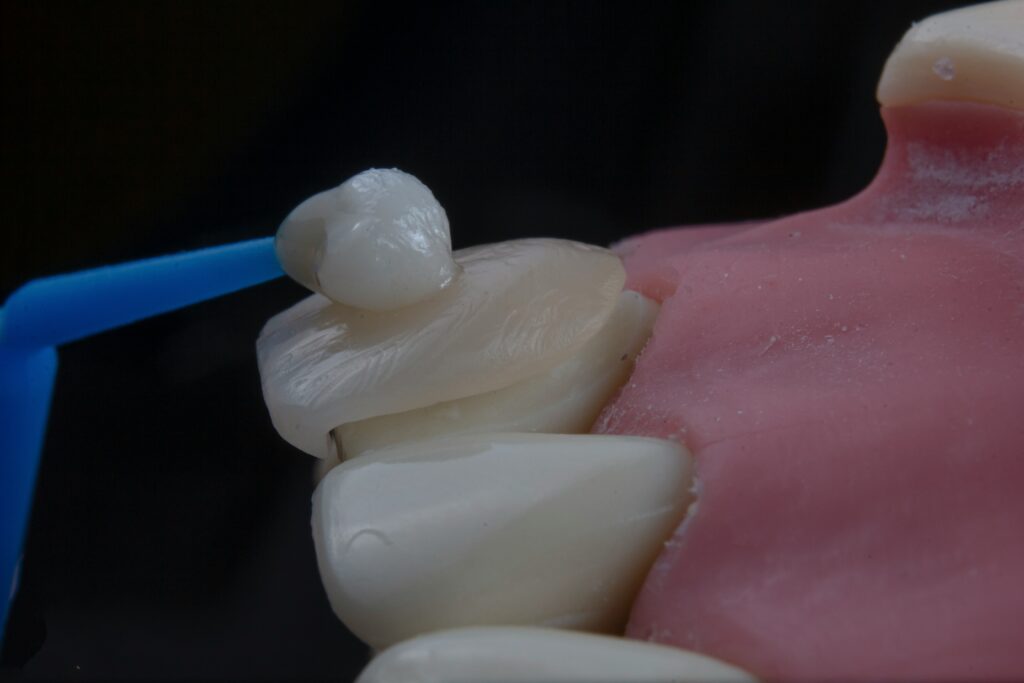
A gum flap — a small piece of gum tissue that lifts, folds, or grows unevenly between or over teeth — is one of the more common but often overlooked oral health signs that something needs attention. Many people notice a loose flap of gum between teeth, feel tenderness in one spot, or find food constantly getting trapped in the same area, but dismiss it as minor irritation. In many cases it is treatable without major intervention, but left unaddressed, a gum flap can become the entry point for infection, bone loss, and more serious dental problems. This guide explains what gum flaps are, what causes them, how to recognize the symptoms, and what treatment options are available.
What Is a Gum Flap?
A gum flap is a section of gum tissue that has lifted away from the tooth surface, folded over, or grown unevenly in a way that creates a pocket or flap-like shape rather than lying flat against the tooth. In healthy gum tissue, the gingiva fits snugly and smoothly around each tooth with no gaps or elevated edges. When irritation, inflammation, or structural dental issues occur, the gum can change shape and form a visible or palpable flap.
Gum flaps are not a diagnosis in themselves — they are a symptom of an underlying condition. The flap itself creates a problem because the space underneath and around it traps food debris and bacteria in an area that is difficult or impossible to clean properly with a toothbrush or floss. This trapped material continues to feed the underlying condition, creating a cycle that worsens without treatment.
Gum flaps can appear between any two teeth, but they are most common between the back molars (where food is most likely to become impacted), around partially erupted wisdom teeth (a specific condition called pericoronitis), and between crowded front teeth where plaque accumulates in hard-to-reach gaps.
Why Do Gum Flaps Form? Common Causes
Plaque and Tartar Buildup
The most common underlying cause of gum flaps is the accumulation of plaque — the sticky bacterial film that forms on teeth throughout the day — that is not adequately removed by brushing and flossing. When plaque is left on tooth surfaces, particularly at and below the gumline, the bacteria it contains release toxins that trigger chronic inflammation in the surrounding gum tissue.
Inflamed gum tissue swells, loses its firm attachment to the tooth surface, and gradually changes shape. Over time, the gumline recedes in some areas and becomes elevated or folded in others, creating flap-like tissue shapes. When plaque is not removed promptly, it mineralizes into tartar (calculus) — a hard deposit that cannot be removed by brushing and that continues to irritate the gum tissue beneath it until removed professionally.
Gum Disease (Gingivitis and Periodontitis)
Gum disease is the most significant cause of persistent gum flaps. The disease progresses in two stages, each with distinct characteristics.
Gingivitis is the early, reversible stage where the gums are inflamed — red, swollen, and prone to bleeding during brushing or flossing. At this stage, the supporting bone and connective tissue around the teeth are not yet damaged. Gum flaps at the gingivitis stage are typically mild and respond well to professional cleaning and improved home care.
Periodontitis is the advanced stage where the inflammation has spread below the gumline to destroy the supporting bone and connective tissue. The gums pull away from the teeth, forming deep periodontal pockets where bacteria thrive in an environment that cannot be cleaned by any home care tool. These pockets cause significant gum flap formation, and without treatment, they lead to progressive bone loss, tooth loosening, and eventual tooth loss.
According to the CDC, nearly half of adults over 30 in the United States have some form of periodontal disease. The condition is frequently underdiagnosed because early stages are painless.
Wisdom Teeth and Pericoronitis
One of the most common causes of gum flaps in younger adults is a partially erupted wisdom tooth. When a wisdom tooth does not have enough space to fully emerge through the gum, it creates a situation where a flap of gum tissue partially covers the tooth — this is clinically called an operculum, and the resulting inflammation is called pericoronitis.
The gum flap over a wisdom tooth is particularly problematic because food and bacteria accumulate in the pocket between the flap and the tooth crown, which cannot be cleaned effectively. This leads to recurrent infections, swelling, pain that can radiate to the jaw and ear, and difficulty opening the mouth. Pericoronitis can range from mild, recurring irritation to acute infection requiring immediate treatment.
Pericoronitis is one of the most common dental emergencies in adults aged 20 to 30 and one of the primary reasons wisdom teeth are recommended for extraction even when they are not causing obvious pain.
Food Impaction
Chronic food impaction — food repeatedly becoming lodged between the same two teeth at every meal — creates persistent mechanical irritation that inflames the gum tissue in that specific location. This can happen because of a gap between teeth, a failed or poorly contoured filling or crown, a missing tooth causing adjacent teeth to shift, or natural tooth shape variation.
People with food impaction often notice gum flap formation in the same spot where food traps, and the flap itself worsens the problem by creating an additional space for food to accumulate.
Tooth Misalignment and Crowding
Misaligned or crowded teeth create areas of the mouth that are structurally difficult to clean — overlapping teeth, tight contacts, and irregular tooth positions all create niches where plaque accumulates beyond what normal brushing and flossing can address. Chronic plaque in these areas drives inflammation and gum flap formation. In these cases, the gum flap is a downstream consequence of a structural alignment problem.
Poor or Aggressive Brushing
Both insufficient brushing (allowing plaque to accumulate) and overly aggressive brushing (physical trauma to gum tissue) can contribute to gum flap formation through different mechanisms. Hard-bristled toothbrushes used with excessive pressure can abrade and traumatize the gumline, causing recession in some areas and irregular tissue reshaping in others. A soft-bristled brush used with gentle pressure is the appropriate standard for daily brushing.
Gum Flap Symptoms: What to Look For
Gum flaps are not always painful, particularly in their early stages. Many people have gum flaps for months before they notice them or before symptoms become significant enough to seek care. Recognizing the range of symptoms helps identify the problem early.
- Visible tissue: A raised, folded, or loose piece of gum visible between or over teeth — the defining symptom.
- Swelling and puffiness: The gum tissue in a specific area appears puffy, enlarged, or darker red than surrounding gums.
- Bleeding: Gums that bleed during brushing, flossing, or eating — even with light contact — are inflamed and should not be considered normal.
- Localized pain or tenderness: Pain concentrated in one area, especially when pressing on the gum or chewing.
- Food trapping: Consistently feeling food lodged in the same spot between teeth.
- Persistent bad breath: The bacteria and decaying food trapped under a gum flap produce volatile sulfur compounds that cause halitosis that does not respond to brushing or mouthwash.
- Sensation of pressure: A feeling that something is stuck between the teeth even after cleaning.
- Jaw pain or difficulty opening mouth: Specifically associated with wisdom tooth gum flaps and pericoronitis.
Are Gum Flaps Serious?
The seriousness of a gum flap depends on its cause and how long it has been present. A mild, temporary gum flap caused by a single episode of irritation — such as a piece of hard food briefly traumatizing the gum — may resolve on its own with good hygiene. However, persistent gum flaps are almost always a sign of an ongoing problem that will not resolve without addressing the underlying cause.
Left untreated, gum flaps can lead to:
- Periodontal pocket development: The space under the flap becomes a permanent harbor for bacteria below the gumline.
- Bone loss: Bacterial toxins and the immune response to chronic infection destroy the bone supporting the tooth root.
- Abscess formation: Trapped bacteria under a gum flap can cause acute abscess — a localized collection of pus that causes severe pain and swelling requiring urgent treatment.
- Tooth loosening and loss: Advanced bone loss causes the tooth to become unstable.
- Systemic effects: Chronic oral infection has been associated in research with increased risk of cardiovascular disease, diabetes complications, and adverse pregnancy outcomes.
When to See a Dentist for a Gum Flap
You should see a dentist if any of the following apply:
- The gum flap has been present for more than one week without improvement.
- The area is causing pain, swelling, or tenderness.
- The gum bleeds easily with minimal contact.
- You have difficulty chewing or opening your mouth (urgent — may indicate pericoronitis or abscess).
- You notice swelling extending beyond the immediate gum area — into the cheek, jaw, or neck (urgent — potential spreading infection).
- Bad breath persists despite thorough oral hygiene.
- The same spot repeatedly causes problems.
A spreading infection from a dental abscess that extends beyond the jaw is a medical emergency. If you experience severe swelling, difficulty swallowing or breathing, or fever, seek emergency medical care immediately.
Gum Flap Treatment Options
Professional Dental Cleaning (Scaling and Root Planing)
For most patients with gum flaps caused by plaque, tartar, or early gum disease, professional deep cleaning is the first-line treatment. Standard scaling removes plaque and tartar from above the gumline. Root planing extends the cleaning below the gumline to the root surfaces, smoothing them so bacteria have less to adhere to and the gum tissue can reattach more effectively.
Deep cleaning is performed with ultrasonic instruments and hand scalers. It is done under local anesthesia for patient comfort when cleaning below the gumline. The procedure reduces inflammation significantly, and many mild to moderate gum flaps shrink or resolve after a thorough cleaning and with consistent home care improvements.
Antibiotics and Antimicrobial Therapy
For gum flaps associated with active bacterial infection — particularly acute pericoronitis — a dentist may prescribe oral antibiotics to control the infection before or alongside local treatment. Chlorhexidine mouthwash is commonly recommended as an antimicrobial rinse that helps reduce bacterial load in periodontal pockets and around gum flaps during the healing process.
Antibiotics alone do not resolve gum flaps — they address the acute infection but the underlying structural or hygiene cause must be treated separately.
Gum Contouring and Minor Gum Surgery
When gum flaps do not resolve with cleaning and improved hygiene — particularly when the flap tissue is substantial or has formed a deep pocket — minor surgical intervention may be recommended. Gum contouring (gingivectomy) removes the excess gum tissue and reshapes the gumline to eliminate the pocket where bacteria accumulate. The procedure is typically done under local anesthesia in the dental chair and heals within one to two weeks.
Flap surgery (periodontal flap surgery, different from the gum flap itself) is used for more advanced periodontitis where deep cleaning alone cannot reach the affected areas. The dentist temporarily reflects the gum tissue, cleans deeply below the gumline, and then repositions and sutures the tissue to create a tighter gum-to-tooth attachment.
Wisdom Tooth Extraction
When a gum flap is caused by a partially erupted wisdom tooth and pericoronitis, the most definitive treatment is usually wisdom tooth extraction. In acute pericoronitis, the infection is typically managed first with antibiotics and irrigation before extraction. Once the acute phase is resolved, the tooth is removed to eliminate the condition’s cause permanently.
Some cases of pericoronitis are managed conservatively — the gum flap over the tooth (operculum) is removed surgically while leaving the tooth in place (operculectomy) if the tooth is in a viable position. However, recurrence is common after operculectomy when the tooth has insufficient space, and extraction is often recommended as the more reliable long-term solution.
Addressing Underlying Causes
When a gum flap results from a structural dental issue — a poorly contoured filling, a defective crown, food impaction due to a space, or dental misalignment — treating the surface gum tissue alone will not prevent recurrence. The restoration causing food impaction needs replacement or adjustment. Orthodontic treatment may be appropriate to reposition crowded teeth that prevent adequate cleaning. A missing tooth causing adjacent teeth to drift may require an implant, bridge, or partial denture to restore the normal contact point.
Loose Gum Flap Between Teeth: Home Care While Waiting for a Dental Appointment
Home care cannot cure a gum flap or treat its underlying cause, but it can help manage symptoms and prevent the condition from worsening while awaiting a dental appointment.
- Warm salt water rinse: Dissolving half a teaspoon of salt in a cup of warm water and gently swishing for 30 seconds reduces bacterial load and soothes inflamed tissue. This is safe to do multiple times daily.
- Gentle brushing: Brush the area carefully with a soft-bristled brush using a gentle circular motion at the gumline. Avoid avoiding the area entirely, as this allows plaque to accumulate. Equally avoid aggressive scrubbing that traumatizes already irritated tissue.
- Gentle flossing: Carefully floss on either side of the affected area to remove trapped food debris. Do not force the floss — gentle curved motion at the gumline.
- Chlorhexidine mouthwash: Over-the-counter chlorhexidine rinse (where available without prescription) or cetylpyridinium chloride mouthwash reduces bacteria in the area.
- Avoid irritants: Tobacco, alcohol, and very hard or sharp foods worsen gum inflammation and slow healing.
- Do not attempt to cut or remove the flap yourself: Cutting gum tissue at home creates a wound in a bacteria-rich environment and can cause infection or damage. This is never appropriate.
Gum Flap Over Molar: Specific Considerations
Gum flaps over back molars — particularly wisdom teeth and second molars — have specific characteristics worth understanding. The back of the mouth is inherently harder to clean, toothbrushes and floss are more difficult to position correctly, and food impaction is more common due to the forces of chewing concentrated in this area.
A gum flap over a wisdom tooth specifically behaves like pericoronitis even if the tooth has partially erupted years earlier — the operculum can remain indefinitely if the tooth lacks space to fully emerge. Some patients manage recurring mild pericoronitis for years before opting for extraction; others experience severe acute episodes that make extraction urgent.
In children, gum flaps over erupting permanent molars (the 6-year and 12-year molars) are a normal part of the eruption process and typically resolve without treatment as the tooth fully emerges. If pain or swelling is severe or the child has difficulty eating, a dentist can assess whether the gum flap needs attention.
Preventing Gum Flaps
- Brush twice daily with a soft-bristled brush for two full minutes, using a 45-degree angle at the gumline.
- Floss daily, curving the floss around each tooth in a C-shape and sliding it gently below the gumline.
- Use an interdental brush or water flosser for areas where standard floss is difficult to use effectively.
- Attend regular dental cleanings — every 6 months for most adults, more frequently if you have a history of gum disease.
- Address dental restorations that cause food impaction promptly.
- Do not smoke — tobacco dramatically increases the risk and severity of gum disease.
- Monitor wisdom teeth with your dentist from your late teens — early identification of impaction or insufficient space allows for proactive management.
Frequently Asked Questions
Can a gum flap heal on its own?
A mild gum flap caused by temporary irritation — such as a piece of hard food briefly traumatizing the gum — may reduce with improved hygiene over one to two weeks. However, persistent gum flaps that have been present for more than a week, that cause recurring symptoms, or that are associated with gum disease, food impaction, or wisdom teeth will not resolve without identifying and addressing the underlying cause. Most clinically significant gum flaps require professional assessment.
Is a loose flap of gum between teeth always gum disease?
Not necessarily. While gum disease is a common cause, a loose flap of gum between teeth can also result from food impaction, a wisdom tooth problem (pericoronitis), a defective dental restoration, tooth misalignment, or physical trauma to the gum. A dentist can identify the specific cause during an examination. However, gum disease — particularly in its early gingivitis stage — is the most common underlying cause and should be considered until excluded by a dental professional.
Do gum flaps always require surgery?
No. Many gum flaps respond to non-surgical treatment — professional scaling and root planing, improved home hygiene, and in some cases antibiotics. Surgery is reserved for cases where gum flaps are deep, persistent, or associated with advanced periodontitis that cannot be adequately cleaned non-surgically. Wisdom tooth gum flaps often require extraction as the definitive treatment, but this is an extraction procedure rather than gum surgery specifically.
What does a gum flap look like?
A gum flap typically appears as a raised or folded piece of gum tissue that does not sit flat against the tooth. It may look like a small flap or tab of tissue protruding from between two teeth, a thickened or puffy section of gum in one specific location, or a piece of gum that partially covers a tooth surface (particularly over wisdom teeth). The tissue is often redder and more swollen than surrounding healthy gum tissue. In early stages it may not be visually dramatic — patients may feel it with their tongue before they see it.
Can gum flaps cause bad breath?
Yes. The space under a gum flap traps food debris and bacteria in an area that cannot be cleaned by standard oral hygiene measures. The bacteria breaking down this trapped organic material produce volatile sulphur compounds — the primary chemical cause of bad breath. Bad breath that persists despite thorough brushing, flossing, and mouthwash use is a symptom that should prompt evaluation for a gum flap, periodontal pocket, or other source of trapped debris.
Why is my gum lifting up in the back of my mouth?
Gum tissue lifting or feeling loose in the back of the mouth most commonly indicates a partially erupted wisdom tooth (pericoronitis) or gum disease affecting the back molars. Less commonly, it can result from food impaction or a defective restoration in that area. Because the back of the mouth is difficult to visualize, many patients are unaware of how significant the issue has become until symptoms develop. A dental examination with X-rays of the wisdom teeth and back molars is the appropriate first step.
Final Thoughts
A gum flap between teeth is your mouth’s signal that something needs attention. In most cases, early intervention — a professional cleaning, improved home hygiene, and addressing whatever is causing the irritation — resolves the problem before it becomes serious. Leaving a gum flap untreated allows it to become a permanent harbor for bacteria, driving gum disease progression and increasing the risk of infection, bone loss, and tooth loss over time.This article is for informational purposes only. If you notice a gum flap or any of the symptoms described in this article, consult a licensed dentist for a proper examination and personalized treatment recommendations.
DISCLAIMER: This article is for informational purposes only and does not constitute professional dental or medical advice. If you notice a gum flap, consult a licensed dentist for proper diagnosis and treatment recommendations.