
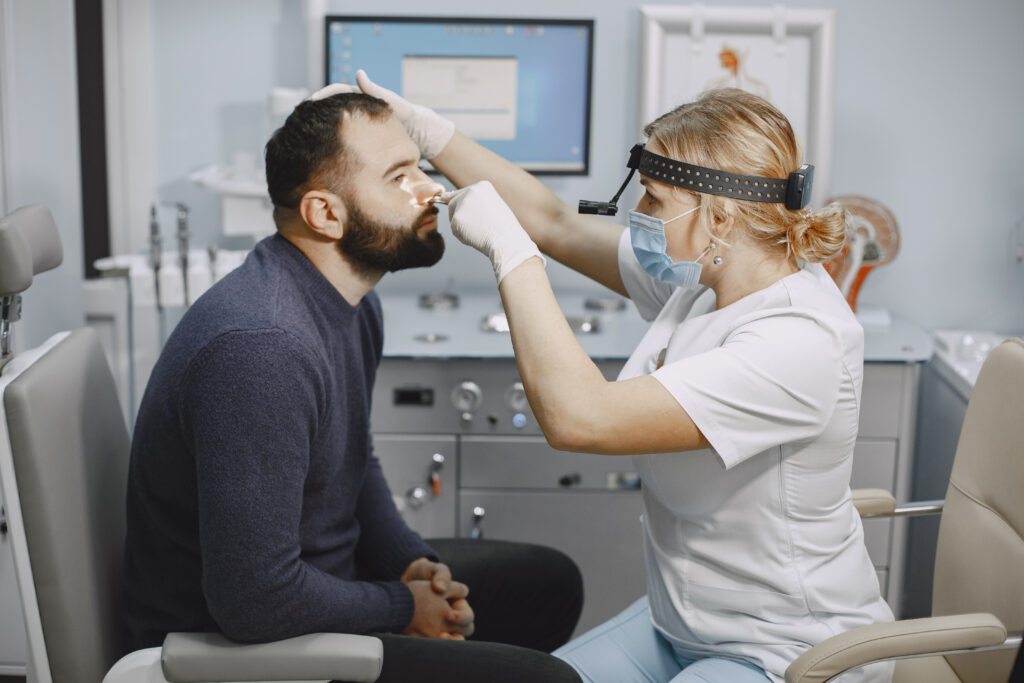
That small, painful bump on your eyelid is not just annoying. It can make blinking uncomfortable, light sensitivity real, and your whole day harder. If you are dealing with one right now, you want answers fast. This guide covers exactly how to treat a stye, what causes it, how long it lasts, and when you need to see a doctor.
What Is a Stye?
A stye is a red, tender bump that forms on or along your eyelid. It looks similar to a pimple and forms when bacteria infect one of the small oil glands at the base of your eyelashes.
Most styes appear on the outside of your eyelid. However, some form on the inside, which makes them more uncomfortable even though they are less visible.
Common symptoms include:
- A red, swollen lump on the upper or lower eyelid
- Pain or tenderness when you blink
- A feeling that something is in your eye
- Crusty discharge along the eyelid margin
- Sensitivity to light
- Watery eyes
- A white or yellow pus-filled center as the stye matures
What Causes a Stye?
Here is the thing — styes are almost always caused by Staphylococcus aureus bacteria. This bacteria lives on your skin naturally, but when it gets into an oil gland or hair follicle on your eyelid, it triggers an infection.
The most common ways this happens include:
- Touching your eyes with unwashed hands
- Putting in or taking out contact lenses without washing your hands
- Using expired or contaminated eye makeup
- Leaving makeup on overnight
- Sharing towels or washcloths with someone who has a stye
Certain conditions also raise your risk. People with blepharitis (chronic eyelid inflammation), rosacea, or diabetes develop styes more often than others. If you keep getting styes repeatedly, these underlying conditions could be why.
How Long Does a Stye Last?
Most styes clear up on their own within 7 to 10 days with basic home treatment. That is the honest answer.
The swelling usually peaks around day two or three, then the stye drains and starts shrinking. You will notice it shrinking and the pain reducing naturally as it heals.
If your stye has not improved after two weeks of home treatment, that is your signal to contact an eye doctor. Some styes need professional help to drain properly.
How to Treat a Stye at Home
The good news is that most styes respond well to simple home care. You do not need special equipment or prescription products to get started.
Warm Compress — Your Best Tool
A warm compress is the single most effective home treatment for a stye. The heat increases blood flow to the area, which helps the stye come to a head and drain naturally.
Here is how to do it correctly:
- Soak a clean washcloth in warm water — not hot
- Wring it out so it is damp but not dripping
- Hold it gently against your closed eyelid for 10 to 15 minutes
- Repeat three to four times per day
Warm tea bags also work well as a compress. Green tea has mild anti-inflammatory properties that may provide extra relief.
Keep the Area Clean
Gently clean your eyelid twice a day using a diluted baby shampoo solution or pre-made eyelid scrub pads from your pharmacy. This removes bacteria and debris that could slow healing.
Always wash your hands before touching the area around your eye.
Stop Wearing Eye Makeup
Pause all eye makeup while your stye heals. Mascara, eyeliner, and eyeshadow can introduce more bacteria and extend healing time.
On top of that, throw away any eye makeup you were using when the stye appeared. Bacteria contaminate these products, and using them again can trigger a new infection.
Use Over-the-Counter Pain Relief
If the stye causes significant discomfort, over-the-counter pain relievers like ibuprofen or acetaminophen help manage the pain. Stye ointments available at pharmacies can also reduce irritation and support healing.
What Not to Do With a Stye
This section matters more than most people realize. The wrong move can make a stye significantly worse.
Do not pop or squeeze a stye. This is the biggest mistake. Squeezing forces bacteria deeper into the tissue and can spread the infection to surrounding areas of your eyelid. Let it drain on its own.
Do not wear contact lenses while you have a stye. Contacts can aggravate the infection and introduce more bacteria to the area.
Also, avoid sharing towels, pillowcases, or washcloths with others. The bacteria that cause styes spread through contact.
Stye vs Chalazion: Know the Difference
Many people confuse a stye with a chalazion, and it is an easy mistake. Both appear as bumps on the eyelid, but they are different conditions.
A stye is an active bacterial infection. It is painful, red, and often has a visible pus point. A chalazion is a blocked oil gland that is not infected. It tends to be larger, firmer, and usually painless.
Styes typically develop faster and cause more acute discomfort. Chalazia often develop slowly and linger for weeks or months.
Treatment differs too. Styes usually respond to warm compresses and resolve on their own. Chalazia sometimes require a minor procedure to drain if they do not go away with heat treatment.
If your bump is painless, large, and has been there for more than a few weeks, it is more likely a chalazion than a stye. An eye doctor can confirm which one you have.
When to See a Doctor for a Stye
Most styes do not require a doctor visit. That said, there are specific situations where professional treatment becomes necessary.
See an eye doctor if:
- Your stye has not improved after two weeks of home treatment
- The swelling spreads beyond the eyelid to your cheek or face
- Your vision changes in any way
- The pain becomes severe or worsens instead of improving
- You develop a fever alongside the stye
- You keep getting styes repeatedly
Your doctor may prescribe antibiotic eye drops or cream to clear the infection. In some cases, oral antibiotics are needed. Styes that refuse to drain naturally can be opened with a small incision under local anesthesia — a quick, low-risk procedure that brings immediate relief.
How to Prevent Styes From Coming Back
If you get styes frequently, small daily habits can make a real difference.
- Wash your hands before touching your face or eyes
- Replace eye makeup every three to six months
- Always remove all eye makeup before bed
- Clean your eyelids daily if you have blepharitis or oily skin
- Avoid touching or rubbing your eyes during the day
- Replace contact lens cases regularly and follow proper lens hygiene
People with chronic blepharitis benefit from a consistent eyelid hygiene routine using baby shampoo or prescription eyelid scrubs. Managing the underlying condition reduces how often styes appear.
Frequently Asked Questions
How do you get rid of a stye overnight?
You cannot fully clear a stye overnight, but warm compresses applied four times throughout the day will speed up drainage significantly. Most styes need at least a few days to heal properly. Consistent heat application is the fastest safe approach.
Should you pop a stye?
No. Popping a stye pushes bacteria deeper into the tissue and can spread the infection. Always let it drain naturally with warm compresses. If it does not drain on its own within two weeks, see an eye doctor.
What is the fastest stye treatment?
Warm compresses three to four times a day are the most effective at-home treatment. For faster results, an eye doctor can prescribe antibiotic drops or drain the stye in a minor procedure if needed.
Is a stye contagious?
The bacteria that cause styes can spread through direct contact. Do not share towels, washcloths, or eye makeup with others while you have a stye. The bump itself is not contagious in the sense that looking at someone will not spread it.
What is the difference between a stye and pink eye?
A stye is a localized bump caused by a blocked, infected oil gland. Pink eye (conjunctivitis) is an infection or inflammation of the clear membrane covering the eye, causing widespread redness, discharge, and irritation. They are distinct conditions with different treatments.
Final Thoughts
Knowing how to treat a stye makes the whole experience far less stressful. Start with warm compresses as soon as you notice the bump. Keep your hands clean, stop wearing eye makeup, and give it time. Most styes clear up within a week without any medical intervention.
That said, if yours is not improving after two weeks or your symptoms are getting worse, do not wait. An eye doctor can clear a stubborn stye quickly and rule out anything more serious. Your eyes are worth the visit.