
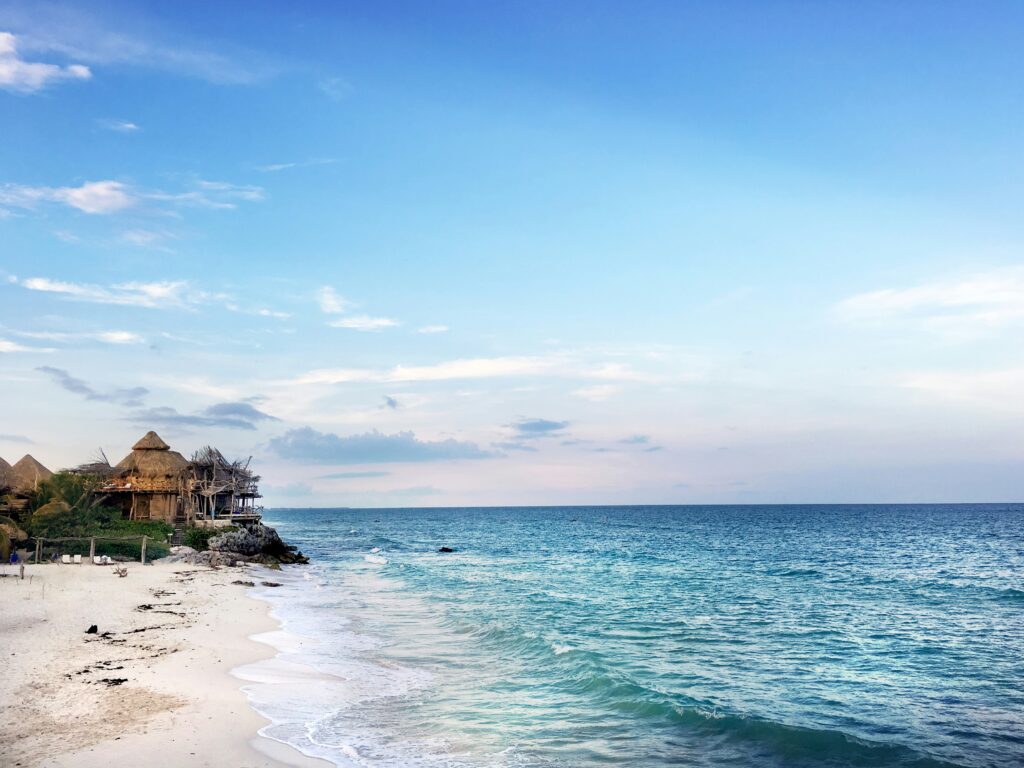
Mexico has established itself as one of the world’s premier luxury travel destinations — a country where world-class resorts, extraordinary food, ancient culture, and some of the most spectacular coastlines on earth combine at a price point that consistently undercuts comparable luxury experiences in Europe or the Caribbean. For American travelers, the proximity and ease of access make it particularly compelling: a direct flight of 2–4 hours from most US cities reaches destinations that rival the Maldives or Amalfi Coast in resort quality, at a fraction of the cost.
This guide covers the best luxury destinations in Mexico in 2025 — the five principal resort regions that draw international high-end travelers, the standout properties in each, what makes each region unique, and how to choose the right destination for your travel style.
Mexico’s Top 5 Luxury Destinations: Quick Comparison
| Destination | Best For | Vibe | Price Range/Night | Top Brands |
| Los Cabos | Luxury, golf, Pacific drama | Sophisticated, adventurous | $400–$2,500+ | Four Seasons, One&Only, Waldorf |
| Riviera Maya | Eco-luxury, Mayan ruins, beaches | Romantic, family, eco-conscious | $350–$1,500+ | Rosewood, Banyan Tree, Belmond |
| Cancun / Playa Mujeres | All-inclusive grandeur, families | High-energy, all-inclusive | $300–$1,200+ | Grand Hyatt, Moon Palace, Secrets |
| Punta Mita / Riviera Nayarit | Surf, wellness, boutique luxury | Intimate, wellness-focused | $500–$2,000+ | Four Seasons, St. Regis, Rosewood |
| Tulum | Boho-luxury, cenotes, culture | Design-forward, wellness | $300–$2,000+ | Chablé, Habitas, Azulik |
1. Los Cabos — Mexico’s Premier Luxury Resort Destination
Los Cabos — the combined resort area of Cabo San Lucas and San José del Cabo at the southern tip of Baja California — is the undisputed capital of luxury travel in Mexico. The dramatic meeting of the Pacific Ocean and the Sea of Cortez, the desert landscape tumbling directly into azure water, and the 330 days of sunshine per year have made it the destination of choice for high-end travelers, celebrities, and honeymooners for decades. Forbes has consistently ranked it among the top luxury destinations in North America.
The Los Cabos Corridor — the stretch of highway between Cabo San Lucas and San José del Cabo — is lined with some of the finest resort properties in the world. Golf is exceptional: the region has over 20 championship courses including Jack Nicklaus, Robert Trent Jones, and Greg Norman designs. Deep-sea fishing for marlin and sailfish, ATV desert adventures, whale watching (December through April), and world-class spa facilities round out an experience that keeps repeat visitors returning annually.
Top Luxury Resorts in Los Cabos
- Four Seasons Resort Los Cabos at Costa Palmas: From approximately $1,500/night. Situated on the calmer Sea of Cortez side with a white-sand beach safe for swimming (unusual for Cabo), two Jack Nicklaus golf courses, an extraordinary pool complex, and the brand’s signature service. One of the top-rated resorts in all of Latin America.
- One&Only Palmilla: From approximately $900/night. Consistently ranked among the top resorts in Mexico by Condé Nast Traveler and Travel + Leisure. 13 private villas with infinity pools overlooking the Sea of Cortez; the Charlie Trotter-concept restaurant; extraordinary spa. One of the most iconic resort properties in Mexico.
- Waldorf Astoria Los Cabos Pedregal: From approximately $700/night. Located in El Pedregal — the exclusive residential community carved into the cliffs above Cabo San Lucas harbor — with private beach access via tunnel through the rock, dramatic ocean views, and the most private and exclusive atmosphere in Cabo San Lucas proper.
- Chileno Bay Resort & Residences (Auberge Resorts Collection): From approximately $700/night. Located on protected Chileno Bay, one of the few spots in Los Cabos with calm, swimmable Pacific water and excellent snorkeling from the beach. Auberge’s signature warm, residential approach to luxury; outstanding food and beverage.
- Nobu Hotel Los Cabos: From approximately $683/night. Six restaurants including the flagship Nobu restaurant, four pools, and the most design-forward interior aesthetic in Los Cabos. For travelers who prioritize culinary experience alongside resort luxury.
What to Know About Los Cabos
- Most beaches in Cabo San Lucas have strong Pacific surf and are not safe for swimming — the protected coves along the corridor (Chileno Bay, Santa Maria Bay) and the Sea of Cortez side are the exceptions.
- December through April: peak season and whale watching season. May through October: off-peak with lower rates, though summer is hot and late summer/fall brings hurricane risk.
- San José del Cabo’s art district is worth a visit for dining, galleries, and a more authentic Mexican town feel than Cabo San Lucas’s tourist-heavy marina area.
2. Riviera Maya — Eco-Luxury on the Caribbean
The Riviera Maya stretches south from Cancun along the Caribbean coast of the Yucatán Peninsula through Playa del Carmen, Puerto Morelos, Akumal, and toward Tulum. It combines the most beautiful water in Mexico — turquoise Caribbean with visibility down to 30 feet — with immediate access to Mayan archaeological sites, freshwater cenotes (underground sinkholes connected to the world’s largest subterranean river system), and the Great Mesoamerican Reef (the second largest coral reef system on earth).
The luxury resort landscape in the Riviera Maya is anchored by the Mayakoba development — a 620-hectare gated eco-resort community north of Playa del Carmen that houses four of the top resort brands in the world (Rosewood, Banyan Tree, Andaz, and Fairmont) within a single preserve of mangroves, lagoons, and jungle. Mayakoba is arguably the finest resort destination in Mexico by concentration of quality.
Top Luxury Resorts in the Riviera Maya
- Rosewood Mayakoba: From approximately $900/night. Consistently ranked #1 resort in Mexico by Travel + Leisure reader polls. 129 suites and villas, all with private plunge pools, set among jungle canals accessible by boat or electric golf cart. The El Puerto restaurant is one of the finest dining experiences in Mexico. Eco-tourism certification and extraordinary nature integration.
- Banyan Tree Mayakoba: From approximately $700/night. An Asian-inspired luxury hideaway where every villa has a private pool within a walled garden. The resort is built around canals and natural waterways — arrival is by golf cart along jungle paths. The Saffron restaurant offers exceptional Thai cuisine. One of the most private resort experiences in Mexico.
- Maroma, A Belmond Resort: From approximately $950/night. Freshly reimagined by Belmond, Maroma occupies one of the most spectacular beaches in the Riviera Maya and blends jungle immersion with Caribbean beachfront. Woodend restaurant by chef Curtis Stone; Maroma Spa by Guerlain offering Mayan healing rituals. One of the most beautiful beaches of any Mexican resort.
- Viceroy Riviera Maya: From approximately $500/night. 41 private pool villas in a jungle setting. The Viceroy’s eco-approach and the immediately beautiful beach separate it from the all-inclusive alternatives nearby. Outstanding for couples and honeymoons.
- Grand Velas Riviera Maya: From approximately $600/night all-inclusive. The finest all-inclusive resort in the Riviera Maya — exceptional dining (no cafeteria buffets here), butler service, and a spa that would be remarkable at any luxury non-inclusive resort. For travelers who want everything included without sacrificing quality.
What to Know About the Riviera Maya
- Cenotes: swimming in the underground cenote network is one of Mexico’s most unique natural experiences — the water is crystal-clear, cave-filtered fresh water at a constant 77°F. Dozens are accessible by short drive from any Riviera Maya resort.
- Chichen Itza and Tulum Ruins: UNESCO World Heritage Sites accessible by day trip from any Riviera Maya base.
- Sargassum seaweed: the Caribbean coast experiences seasonal sargassum accumulation (typically April–October) that can affect beach quality. The Mayakoba resorts have protected lagoon access that largely circumvents this issue.
3. Cancun and Playa Mujeres — All-Inclusive Grandeur
Cancun is the most visited international destination in Mexico and the most developed resort zone — the Hotel Zone (Zona Hotelera) is a narrow barrier island packed with large resort hotels facing the Caribbean. The beaches are extraordinary — powder-soft white sand and that iconic turquoise water — and the access from the US is the easiest of any Mexican beach destination (direct flights from virtually every US city, often multiple daily).
For luxury all-inclusive resorts — where everything from fine dining and premium alcohol to non-motorized water sports, activities, and kids clubs is included in the rate — Cancun and the adjacent Playa Mujeres area offer the best concentration in Mexico. The evolution of all-inclusive luxury in this region means the best properties now compete on genuine culinary quality, butler service, and spa facilities rather than simply quantity of food and drink.
Top Luxury Resorts in Cancun and Playa Mujeres
- Grand Hyatt Cancun (formerly Hyatt Ziva): A luxury all-inclusive on a prime stretch of Hotel Zone beach. Multiple fine dining restaurants (no wristband buffets), butler service for higher room categories, outstanding pool and beach setup, and genuine culinary quality that the best Cancun all-inclusives now deliver. Strong program for families and couples.
- Secrets Moxché Playa del Carmen: Adults-only, ultra-luxury all-inclusive just south of Cancun. One of the newer properties in the region with exceptional design, eight restaurants, and the service level typically associated with independent boutique hotels rather than all-inclusive resorts.
- Grand Moon Palace: One of the largest all-inclusive resort complexes in the Caribbean — a full water park, dozens of restaurants, nightly entertainment, a speakeasy, and multiple kids clubs that make it genuinely self-contained. The sheer scale means there is never any shortage of space, activities, or dining options. Outstanding value at the price point.
- Playa Mujeres area: North of Cancun’s Hotel Zone, Playa Mujeres has emerged as the more refined alternative — a quieter stretch of beach with fewer crowds and some of the most design-forward luxury resorts in the region, including Le Blanc Spa Resort (adults-only, consistently among the highest-rated all-inclusives in Mexico) and Beloved Playa Mujeres.
4. Punta Mita and Riviera Nayarit — Pacific Boutique Luxury
Punta Mita is a private peninsula 45 minutes north of Puerto Vallarta on Mexico’s Pacific coast, accessible only through a gated entrance point. The peninsula hosts two Four Seasons properties, the St. Regis Punta Mita, and a growing constellation of ultra-luxury villas. The surf is world-class — Punta Mita has breaks ranging from beginner-friendly to expert, including the famous Tres Marietas surf break — and the setting, between Banderas Bay’s protected waters and the Pacific, is visually spectacular.
The broader Riviera Nayarit area — running north along the Pacific coast toward San Pancho and Sayulita — has attracted an entirely different type of luxury traveler: those seeking wellness retreats, boutique properties, surf culture, and a less manicured, more authentic Mexican experience. Rosewood Mandarina in particular has established itself as one of the most architecturally extraordinary resort properties in all of Mexico, with villa-treehouses built into a cliff face above the Pacific.
Top Luxury Resorts in Punta Mita and Riviera Nayarit
- Four Seasons Punta Mita: From approximately $900/night. The original and still the benchmark luxury property in the region — two championship golf courses, direct Pacific beach access, family-friendly with exceptional kids programming, and the Four Seasons service standard. One of the most awarded resorts in Mexico.
- St. Regis Punta Mita: From approximately $700/night. The St. Regis butler standard in a Pacific Peninsula setting. Outstanding beach and pool setup; strong dining; slightly more intimate scale than the Four Seasons.
- Rosewood Mandarina: From approximately $1,200/night. One of the most architecturally spectacular resort properties in Mexico — villa-treehouses connected by jungle suspension bridges and funicular to a beach club below. Set on a cliff face above the Riviera Nayarit coast. Extraordinary design, extraordinary nature immersion.
- Etéreo, Auberge Resorts Collection: From approximately $1,000/night. Auberge’s newest Mexico property on the Riviera Maya (near Tulum), with overwater bungalows, a wellness focus, and the brand’s signature sense of intimate hospitality that distinguishes it from larger luxury flagships.
5. Tulum — Boutique Luxury, Cenotes, and Mayan Culture
Tulum has transformed over the past decade from a backpacker haven adjacent to spectacular Mayan cliff-top ruins into one of the most design-forward and Instagram-saturated luxury destinations in the world. The aesthetic is distinctive — biomass architecture, thatched palapas, cenote swimming, locally sourced plant-based cuisine, and a wellness culture that has made it the Mexican equivalent of Ibiza’s more spiritual cousin.
The opening of the new Felipe Ángeles International Airport in Mexico City (and expanded connections to Tulum’s own airport) has improved access, though the Tulum corridor can still be challenging to navigate during peak season. The most luxurious properties sit in the jungle above the beach, with cenote access on-site — the combination of jungle, Caribbean, and ancient archaeological site directly above the resort is genuinely unique in the world.
Top Luxury Resorts in Tulum
- Chablé Tulum: From approximately $1,200/night. Part of the Chablé Collection (also with a property in Yucatán), this recently opened resort combines jungle villas with private cenote access, a wellness spa inspired by Mayan healing traditions, and food and beverage of the highest standard. One of the most highly anticipated new luxury openings in Mexico.
- Azulik: From approximately $400/night. The most visually distinctive resort in Tulum — eco-artisan treehouses and villas built entirely of natural materials, without electricity in the rooms (candlelight and solar-powered), directly above the Caribbean. No children under 13. The aesthetic is unlike any resort in Mexico; it either enchants or frustrates guests depending on expectations.
- Habitas Tulum: From approximately $300/night. A design-led boutique resort that balances luxury with accessibility and a strong wellness and community program. Popular with creative industry travelers and the best value luxury option in Tulum for guests who find Azulik’s off-grid approach too limiting.
- Tulum Ruins: The Mayan archaeological site sits on a cliff directly above the Caribbean — one of the most dramatic archaeological settings in the Americas, and accessible within minutes from most Tulum resorts.
All-Inclusive vs Independent Luxury in Mexico
One of the most common questions for Mexico luxury travel is whether to choose an all-inclusive resort or an independent luxury property. The answer depends largely on your travel style and what you value most.
| All-Inclusive | Independent Luxury | |
| Pricing | One upfront rate covers food, drinks, and activities | Room rate only; dining, excursions, and spa are additional |
| Best For | Families; groups; those who want predictable costs | Foodies; design enthusiasts; those who want to explore |
| Dining Quality | Varies widely — top properties match independent quality | Typically more refined and restaurant-style dining |
| Destination Exploration | Less incentive to leave the resort | More natural integration with local culture and dining |
| Service | Strong at premium properties; standardized | Typically more personalized and intimate |
| Best Value Destination | Cancun / Playa Mujeres | Los Cabos / Riviera Maya / Tulum |
Why Mexico Is a Top Luxury Travel Value
Mexico’s luxury travel proposition is extraordinary relative to alternatives. The exchange rate — the US dollar exchanges at approximately 17–20 Mexican pesos — means that local costs (spa services, excursions booked locally, restaurant meals outside the resort, private drivers, and artisan shopping) are dramatically cheaper than comparable services in the Caribbean, Europe, or Southeast Asia.
For American travelers specifically, the combination of short flight times (2–4 hours from most US cities), no jet lag, Spanish-speaking destination with reliable English in tourist areas, direct US card payment networks, and USD acceptance throughout resort areas makes Mexico the most accessible major luxury destination in the world for US-based travelers.
The quality of resort construction and landscape architecture has reached genuinely world-class levels — properties like Rosewood Mayakoba, Four Seasons Punta Mita, and One&Only Palmilla compete directly with the finest resorts in Southeast Asia, the Maldives, or the French Riviera on any objective quality measure, at price points that typically run 30–50% lower.
Frequently Asked Questions
What is the most luxurious resort destination in Mexico?
Los Cabos is consistently ranked the most luxurious resort destination in Mexico by international travel media, driven by the concentration of flagship brands (Four Seasons, One&Only, Waldorf Astoria, Auberge), extraordinary natural scenery, and the highest average room rates. The Riviera Maya’s Mayakoba development — home to Rosewood, Banyan Tree, Andaz, and Fairmont in a single eco-preserve — rivals Los Cabos for sheer property quality at somewhat lower price points.
What is the best all-inclusive luxury resort in Mexico?
Grand Velas Riviera Maya is consistently named the finest all-inclusive resort in Mexico by luxury travel experts and consumer review platforms, combining genuine culinary quality (multiple fine-dining restaurants with no cafeteria buffets), butler service, an extraordinary spa, and a beach setting that avoids the mass-tourism feel of the Hotel Zone. For Cancun proper, Le Blanc Spa Resort in Playa Mujeres and Secrets Moxché are the top adults-only all-inclusive options.
Is Mexico safe for luxury travelers?
The major luxury resort areas of Mexico — Los Cabos, the Riviera Maya, Cancun, Punta Mita, and Tulum — are among the safest destinations in Mexico for international travelers. The tourism infrastructure in these areas has been developed over decades with significant investment in security and visitor experience. The practical safety precautions for luxury resort travelers are: stay within resort and tourist area zones, use hotel-recommended or resort-arranged transportation rather than independent taxis for excursions, and avoid isolated rural areas not associated with tourism.
What is the best time of year to visit luxury resorts in Mexico?
December through April is the peak and most reliably pleasant season across all Mexican luxury destinations — dry, low humidity, and mild temperatures. This is also when rates are highest. November and May are shoulder months with good weather and better pricing. Summer (June–September) is hotter and more humid, with Caribbean-side destinations experiencing the hurricane season (though direct hits on resort areas are rare). Los Cabos and Punta Mita on the Pacific are less affected by hurricane season than the Caribbean coast.
Final Thoughts
Mexico’s luxury resort landscape in 2025 is genuinely world-class across all five of its principal resort destinations. Los Cabos delivers the most dramatic scenery and the highest concentration of flagship luxury brands. The Riviera Maya offers the unique combination of Caribbean beauty and Mayan cultural depth, anchored by the extraordinary Mayakoba resort community. Cancun and Playa Mujeres provide the finest and most evolved all-inclusive experience in the Americas. Punta Mita delivers Pacific luxury with a wellness and surf culture overlay. And Tulum has carved out a global reputation for design-forward boutique luxury unlike anywhere else in the world.
For American travelers specifically, Mexico represents an extraordinary value proposition — world-class resort quality at 30–50% below comparable alternatives elsewhere, with the accessibility advantages of short flights, no jet lag, and an established tourism infrastructure that makes logistics straightforward regardless of which destination you choose.