
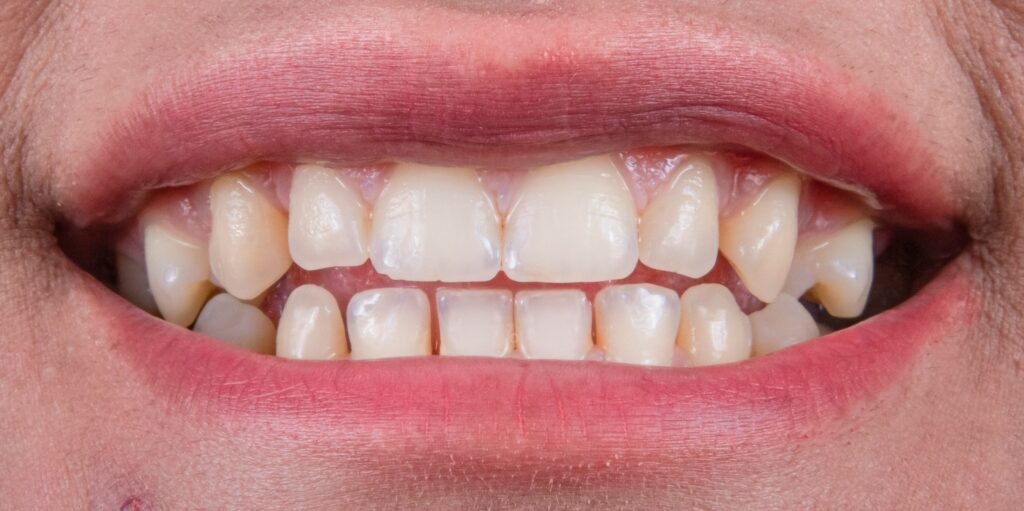
ZYN nicotine pouches have become one of the most popular smokeless nicotine products in the US, marketed as a cleaner alternative to cigarettes and traditional smokeless tobacco. But ‘tobacco-free’ does not mean risk-free — particularly when it comes to your gum and oral health.
This guide covers what ZYN actually does to your gums, whether it causes gum recession, cavities, canker sores, or cancer, and what the current evidence says about long-term risks.
Note: This article is for general information. Consult your dentist for personalized guidance about your oral health.
Are ZYNs Bad for Your Gums? The Short Answer
Yes — ZYN nicotine pouches can damage gum tissue over time. The extent of the damage depends on how frequently you use them, where you place them, and your individual biology. Key risks include:
- Gum irritation and inflammation at the placement site
- Gum recession from repeated contact with nicotine and flavoring agents
- Dry mouth, which increases cavity and gum disease risk
- Reduced blood flow to gum tissue from nicotine’s effect on blood vessels
- Increased susceptibility to periodontal (gum) disease
ZYN is notably different from cigarettes in that it eliminates smoke and dramatically reduces exposure to combustion-related carcinogens. However, it retains nicotine — which has its own well-documented effects on gum tissue and oral health.
How ZYN Affects Your Gums
Gum Irritation from Direct Contact
ZYN pouches sit directly against the gum tissue for an extended period — typically 20 to 60 minutes per use. The nicotine and flavoring agents in the pouch come into direct contact with the gingival tissue at the placement site. This localized exposure causes:
- Redness and swelling at the placement site
- Tenderness or soreness after removing the pouch
- A burning or tingling sensation, particularly with higher-strength pouches or mint/menthol flavors
The burning sensation many users notice is a direct response to the tissue being exposed to concentrated nicotine and flavoring chemicals. This is not a dangerous sign in the short term, but repeated daily irritation in the same spot accumulates into tissue damage over time.
Reduced Blood Flow — Why Nicotine Is Particularly Harmful to Gums
Nicotine is a vasoconstrictor — it narrows blood vessels. In the gums, this means reduced delivery of oxygen and nutrients to the tissue. Healthy gum tissue depends on consistent blood flow to:
- Fight off bacterial infections
- Repair daily micro-damage to tissue
- Maintain the attachment between gum and tooth
When blood flow is restricted, the gums become less effective at managing the chronic bacterial challenge that every mouth faces. Over time, this can accelerate the development of periodontal disease — particularly in people who already have gum disease or genetic susceptibility.
This vasoconstrictive effect also masks the signs of gum disease. Healthy gums bleed easily when probed. Nicotine-affected gums may not bleed as readily, creating a false impression that gum health is fine when disease is actually progressing beneath the surface.
Dry Mouth from Nicotine Pouches
Nicotine reduces saliva production. Saliva is the mouth’s primary natural defense system — it neutralizes acid, washes away food particles, limits bacterial growth, and maintains the pH balance of the oral environment. When saliva decreases, the consequences compound:
- Bacteria multiply more rapidly
- Acid attacks on tooth enamel are more frequent and less buffered
- The risk of tooth decay and gum infections increases
- Dry, irritated tissue is more susceptible to mouth sores and ulcers
Dry mouth from ZYN can feel subtle — a slightly sticky feeling in the mouth, more frequent thirst, or a tendency for lips to feel dry. Over months and years of daily use, even mild reductions in saliva production meaningfully increase oral disease risk.
Does ZYN Cause Gum Recession?
Yes — gum recession is one of the most documented oral health concerns associated with nicotine pouches. Recession occurs when the gum margin pulls back from the tooth surface, exposing the tooth root.
Multiple mechanisms contribute to recession with ZYN use:
- Direct tissue damage from nicotine at the placement site
- Reduced blood flow preventing effective tissue maintenance
- Inflammation from repeated irritation thinning the gum tissue
- Dry mouth increasing bacterial load that attacks gum attachment
Gum recession is permanent — once the gum tissue has receded, it does not regrow without clinical intervention (gum grafting surgery). This is why dentists emphasize that recession is far better prevented than treated. Regular dental monitoring for ZYN users is specifically recommended to catch early recession before it becomes irreversible.
| Recession Risk Factor | ZYN Effect |
| Blood flow to gums | Reduced by nicotine vasoconstriction |
| Tissue inflammation at site | Increased from direct contact |
| Bacterial defense | Reduced by dry mouth |
| Tissue thickness | Can thin with repeated irritation |
| Reversibility | Recession is permanent without surgical treatment |
Does ZYN Cause Cavities?
ZYN does not directly cause cavities in the way sugary foods do — it does not deposit fermentable sugars on tooth surfaces. However, ZYN indirectly increases cavity risk through:
- Dry mouth: Reduced saliva means less buffering of acid and less natural cleansing of tooth surfaces — the primary mechanism by which ZYN elevates cavity risk
- Changes in oral microbiome: Nicotine alters the bacterial composition of the mouth in ways that may favor bacteria associated with decay
- Enamel vulnerability: Long-term dry mouth can contribute to gradual enamel weakening
Many ZYN users report developing cavities in new areas or at an increased rate after beginning regular use. While individual factors (diet, hygiene, genetics) play roles, the dry mouth effect is the most consistent link between nicotine pouch use and increased cavity incidence.
Does ZYN Cause Canker Sores?
Yes — nicotine pouches can cause or worsen canker sores (aphthous ulcers). The direct irritation of gum and cheek tissue from repeated pouch placement, combined with the dry mouth effect, creates conditions that favor canker sore development. Switching the placement side can help reduce localized irritation, but does not eliminate the underlying cause.
If you develop persistent mouth sores that do not heal within 2 weeks, contact your dentist or healthcare provider regardless of what is causing them.
Does ZYN Cause Oral Cancer?
This is one of the most frequently searched questions about ZYN, and the honest answer is: the research is still ongoing and no definitive causal link to oral cancer has been established as of 2025 for nicotine pouches specifically.
What we know:
- ZYN does not contain tobacco leaf, which means it does not contain tobacco-specific nitrosamines (TSNAs) — the primary carcinogens in traditional smokeless tobacco strongly linked to oral cancer
- Nicotine itself is not classified as a carcinogen, though some research suggests it may promote tumor growth in existing cancer cells
- Chronic inflammation of oral tissues (which ZYN does cause) is a recognized risk factor for oral mucosal changes
- Long-term population data on oral cancer specifically from nicotine pouches is not yet available, as the products are relatively new
ZYN carries substantially lower oral cancer risk than traditional chewing tobacco or snus (which contain tobacco leaf and TSNAs). However, calling nicotine pouches ‘safe’ from a cancer perspective is unsupported by current evidence. The most accurate statement is: the cancer risk appears to be significantly lower than tobacco-containing products, but it is not zero and long-term data is limited.
Separately, ZYN nicotine pouch users who previously smoked should be aware that prior smoking history significantly elevates oral cancer risk independently of current nicotine pouch use.
Does ZYN Stain Your Teeth?
ZYN produces far less staining than traditional tobacco products or cigarettes. The pouch does not contain tar or the compounds primarily responsible for tobacco staining. However, some users report subtle discoloration around the placement area over time, potentially from flavoring agents or the altered oral environment. ZYN is not considered a significant staining risk compared to other nicotine products.
Why Do ZYNs Burn?
The burning or tingling sensation from ZYN — particularly noticed with higher-strength pouches (6mg, 9mg) and mint/menthol flavors — is caused by the direct effect of nicotine on the oral mucosa and the flavoring agents in the pouch. The burning is more intense with:
- Higher nicotine strength pouches
- Mint, cool, or citrus flavors
- Placing the pouch in sensitive areas like the front of the lower lip
- Using pouches when the mouth is dry
The burning sensation indicates tissue irritation. While mild tingle with a fresh pouch is expected, persistent burning after removal, sores, or lasting tenderness suggests the tissue is being damaged and warrants attention.
Will Your Gums Heal After Quitting ZYN?
Partially — the answer depends on how much damage has occurred:
- Inflammation and irritation: These typically resolve within weeks of quitting, as the tissue is no longer subjected to repeated nicotine and flavoring exposure
- Dry mouth: Saliva production normalizes after quitting, reducing the secondary risks of dry mouth over time
- Gum recession: This is the critical exception. Gum recession is a permanent structural change. Once recession has occurred, the gum tissue does not regrow without surgical treatment (connective tissue graft or similar procedures)
The earlier you quit, the more of your gum tissue can be preserved. This is why dentists recommend regular monitoring for current users — catching recession early, before it advances, is the most important thing that preventive dental care can do for ZYN users.
Reducing Oral Health Risks If You Continue Using ZYN
If you choose to continue using nicotine pouches, these practices can reduce (though not eliminate) the oral health risks:
- Alternate placement sides: Rotating where you place the pouch reduces concentrated damage to a single area of gum tissue
- Drink water frequently: Counteracts dry mouth and helps maintain saliva flow
- Maintain thorough oral hygiene: Brush twice daily with fluoride toothpaste; floss daily
- Do not place pouches during sleep: Overnight placement dramatically increases cumulative contact time
- Schedule regular dental cleanings and checkups: Allows early detection of recession, cavity formation, and tissue changes
- Choose lower-strength pouches if possible: Lower nicotine concentration reduces vasoconstriction and direct irritation
Frequently Asked Questions
Do ZYNs cause gum disease?
ZYN use contributes to risk factors for gum disease — including gum irritation, reduced blood flow, dry mouth, and tissue inflammation. These conditions increase susceptibility to periodontal disease. ZYN does not cause gum disease directly, but regular daily use creates an oral environment that is more vulnerable to it, particularly in people with existing gum health issues or genetic predisposition.
Are ZYNs bad for your teeth?
Yes — primarily through dry mouth, which reduces saliva’s protective effect and increases cavity risk. ZYN does not directly erode enamel or cause significant staining, but the reduced saliva production and altered oral environment from regular nicotine pouch use make teeth more vulnerable to decay over time.
Can ZYNs cause canker sores?
Yes. The direct irritation from pouch placement, combined with dry mouth, can trigger canker sores (aphthous ulcers) in some users. Rotating the placement site reduces localized irritation. Persistent sores that do not heal within 2 weeks should be evaluated by a dentist or doctor.
Does ZYN cause oral cancer?
No definitive causal link has been established between nicotine pouches and oral cancer as of 2025. ZYN does not contain tobacco leaf or the tobacco-specific nitrosamines (TSNAs) primarily responsible for oral cancer in traditional smokeless tobacco users. However, the long-term cancer data specific to nicotine pouches is limited, and chronic oral tissue inflammation from any source is a recognized cancer risk factor. ZYN’s cancer risk appears substantially lower than tobacco-containing products, but calling it risk-free is not supported by current evidence.
Do ZYNs make your teeth yellow?
ZYN produces significantly less staining than cigarettes or traditional chewing tobacco. Some users report subtle discoloration in the placement area over extended use, potentially from flavoring compounds. For most users, ZYN is not a significant contributor to tooth yellowing compared to other nicotine products.
Final Thoughts
ZYN nicotine pouches carry real oral health risks — gum irritation, recession, increased cavity susceptibility, and dry mouth are all documented concerns with regular daily use. The risks are substantially lower than those of cigarettes and traditional smokeless tobacco products, but they are not zero. The most serious long-term concern is gum recession, which is permanent.
If you use ZYN regularly, regular dental checkups are especially important — not because ZYN is catastrophic to oral health for everyone, but because early detection of recession and decay allows intervention before permanent damage accumulates. Your dentist can monitor your specific situation and advise on what they are observing over time.