
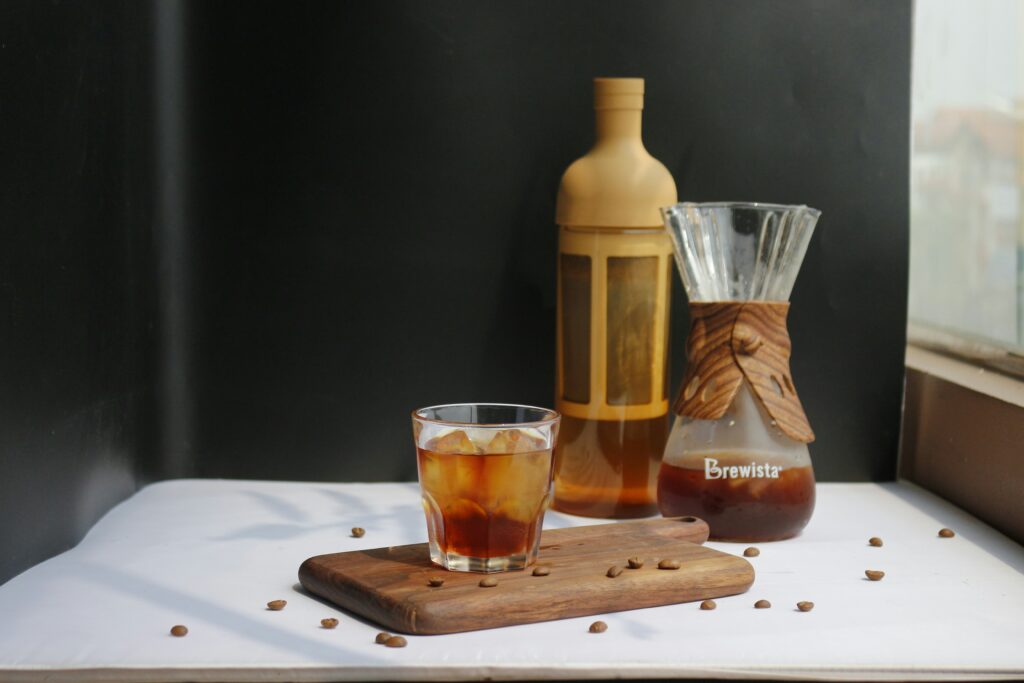
Cold brew coffee is as much about the beans as the brewing process. The same coffee that makes a bright, snappy hot pour-over can taste flat and muddy in cold brew — because cold water extracts differently from hot water, pulling different compounds from the coffee at different rates. Getting the beans right makes the difference between cold brew that tastes dull and coffee that is genuinely extraordinary: smooth, rich, with flavor notes that hot brewing masks entirely.
This guide covers the best coffee for cold brew in 2025 — from budget pre-ground options to specialty whole beans — with the key information about roast level, grind size, and origin that helps you choose the right coffee for your taste preferences.
What Makes a Good Cold Brew Coffee?
Roast Level: Medium to Dark for Most Cold Brew
Roast level is the single most important variable in choosing cold brew coffee. Cold water extracts less acidity than hot water, which means lighter roasts — which rely on their natural acidity for brightness — can taste flat or underdeveloped in cold brew. Medium to dark roasts, which have developed sweetness, caramelization, and body through the roasting process, typically shine in cold brew.
| Roast Level | Cold Brew Flavor Profile | Best For |
| Light Roast | Can taste thin, sour, or underdeveloped in cold brew | Not recommended for most cold brew drinkers |
| Medium Roast | Balanced; preserves origin character; smooth sweetness | Best for black cold brew; specialty origins |
| Medium-Dark Roast | Rich, full-bodied; caramel and chocolate notes; low acidity | Best all-purpose cold brew choice |
| Dark Roast | Intense; bold; chocolatey; very low acidity | Best for cold brew concentrate; cream/milk drinks |
The sweet spot for most cold brew drinkers is medium-dark roast — dark enough to develop sweetness and body that cold extraction amplifies, but not so dark that smoky or charred flavors dominate. If you drink your cold brew black, a medium roast with clear origin character (Ethiopian, Kenyan, Colombian) can be excellent. If your cold brew ends up in a glass with milk, cream, or sweetener, a darker roast holds up better to dilution.
Grind Size: Coarse for Cold Brew
Cold brew requires a coarse grind — significantly coarser than drip coffee and considerably coarser than espresso. The coarse grind reduces over-extraction, prevents the brew from becoming bitter or astringent, and makes filtering much easier. A coarse grind looks like coarse sea salt or rough sand — individual particles are clearly visible and the grind has an open, gritty texture.
If you’re buying whole beans, grind at the coarsest setting your grinder allows. If you’re buying pre-ground coffee, look specifically for products labeled ‘coarse ground’ or ‘cold brew grind’ — standard pre-ground coffee is too fine for cold brew and will produce over-extracted, bitter results.
Origin: What Different Origins Taste Like in Cold Brew
| Origin | Cold Brew Flavor Notes | Best For |
| Kenyan | Berry, wine, stone fruit; complex; bright even cold | Specialty cold brew; drinking black |
| Ethiopian Yirgacheffe | Floral, blueberry, jasmine; delicate | Specialty black cold brew; fruit-forward flavors |
| Colombian | Chocolate, caramel, mild fruit; balanced | All-purpose; works for all brewing methods |
| Sumatran/Indonesian | Earthy, herbal, dark chocolate; low acidity; heavy body | Cream/milk cold brew; concentrate base |
| Brazilian | Nutty, chocolate, low acidity; smooth | Everyday cold brew; cold brew with milk |
| Guatemalan | Brown sugar, chocolate, medium body | Balanced everyday cold brew |
Best Coffee for Cold Brew: Top Picks
1. Stone Street Cold Brew Reserve Colombian Supremo — Best Overall Dark Roast
Roast: Dark | Type: Whole bean and ground | Price: ~$14–18
Stone Street’s Cold Brew Reserve is one of the most popular cold brew coffees on Amazon and among the most recommended by home cold brewers for good reason. The Colombian Supremo beans are roasted specifically for cold brew — dark enough to develop the caramel and chocolate notes that cold extraction amplifies, but carefully roasted to avoid the smoky or charred flavors that make poorly executed dark roasts unpleasant.
The result is a cold brew that is intensely smooth, deeply chocolatey, and almost sweet on its own without any added sugar. Stone Street grinds their Cold Brew Reserve at a coarse setting appropriate for cold brew, and the pre-ground version is one of the few pre-ground coffees that consistently delivers good cold brew results without over-extraction. Available as whole bean or coarse ground.
- Flavor: Dark chocolate, caramel, smooth finish
- Best for: Anyone who wants a straightforward, reliable dark roast cold brew; works with or without milk
- Grind: Pre-ground at cold brew coarseness — one of the better pre-ground options available
2. Bizzy Organic Coarse Ground Coffee — Best Pre-Ground for Cold Brew
Roast: Medium | Type: Coarse ground | Price: ~$15–18 for 2 lbs
Bizzy is specifically designed for cold brew and is one of the best-selling cold brew coffees on Amazon. The medium roast blend of Colombian, Guatemalan, and Peruvian Arabica beans is coarsely ground and sifted to remove fines — the small particles that cause bitterness in cold brew by over-extracting. The result is clean, sweet cold brew that filters easily through a mesh strainer without sediment.
Bizzy is the right choice for cold brew beginners who don’t own a grinder and want consistent results without complexity. The medium roast preserves sweetness and delivers a smooth cup. Steep for 18 to 24 hours for best results — most websites recommend less, but the coarse grind needs more time than finer ground alternatives.
- Flavor: Sweet, smooth, mild chocolate notes
- Best for: Cold brew beginners; no-grinder households; easy everyday cold brew
- Available in brew bags: Bizzy sells cold brew bags for simple no-equipment brewing
3. Starbucks Kenya Whole Bean — Best Readily Available African Cold Brew
Roast: Medium | Type: Whole bean | Price: ~$12–15
Starbucks Kenya is one of the most accessible high-quality African coffees available at grocery stores nationwide — and Kenyan coffee is among the finest for cold brew when brewed correctly. The wine-like, berry, and stone fruit notes that Kenyan beans are known for translate beautifully to cold brew, where the lack of heat preserves the delicate fruit character that hot brewing can cook off.
The Starbucks Kenya roast is medium, which is the right level for preserving the origin character while still developing enough body for cold brewing. It’s not technically a single origin (Starbucks blends from multiple Kenyan farms), but it represents one of the best value ways to experience Kenyan coffee in cold brew without ordering from a specialty roaster. Grind coarsely before brewing.
- Flavor: Berry, wine, complex fruit notes, rich sweetness
- Best for: Cold brew drinkers who want to experience African specialty flavors; black cold brew
4. Volcanica Coffee Cold Brew Blend — Best Specialty Cold Brew Blend
Roast: Medium | Type: Whole bean | Price: ~$14–20
Volcanica Coffee is a specialty coffee roaster that sources beans from volcanic regions around the world, and their Cold Brew Blend is specifically developed for immersion cold brew. The blend combines Sumatra beans (for body and earthiness) with a low-acid Arabica (for sweetness and balance), roasted to a medium level that produces a robust concentrate when steeped for 24 hours.
Grind to a medium-coarse consistency — slightly finer than the coarsest grinder setting. Steep for 24 hours and dilute 1:1 with water when serving for a well-balanced cold brew concentrate. Volcanica’s sourcing standards are high — these are genuinely specialty-grade beans with traceable origins.
- Flavor: Earthy, chocolatey, smooth body, low acidity
- Best for: Concentrate-style cold brew; immersion brewing method; full-bodied results
5. Tiny Footprint Coffee Organic Cold Brew Blend — Best Eco-Conscious Pick
Roast: Medium-dark | Type: Whole bean | Price: ~$18–22
Tiny Footprint Coffee is a carbon-negative roaster that donates a portion of profits to reforestation efforts — the roaster specifically developed this blend for cold press/cold brew. The resulting cup is notably rich compared to other medium-dark roasts, with a complex flavor profile featuring floral notes and a pronounced chocolate finish. The coffee is certified organic and fair trade.
For cold brew drinkers who want to combine quality with environmental consciousness, Tiny Footprint is the standout option. The flavor profile is more complex than the typical dark roast cold brew blend — the floral notes in particular are unusual for a medium-dark roast and make this a more interesting cup than the more approachable Stone Street or Bizzy options.
- Flavor: Floral, deep chocolate, complex and smooth
- Best for: Eco-conscious buyers; specialty cold brew drinkers who want complexity
6. Grady’s Cold Brew New Orleans Style Coffee and Chicory — Best Cold Brew for Iced Coffee with Milk
Roast: Dark with chicory | Type: Ground blend | Price: ~$15–18
New Orleans-style coffee blends coffee with chicory root — a tradition brought to Louisiana by French settlers that creates a distinctive flavor profile: rich, slightly bitter, deeply herbal, with a body that holds up exceptionally well in iced and cold brew preparations with milk. Grady’s produces the most widely available New Orleans-style cold brew blend in the US.
The chicory component contains no caffeine but contributes significant flavor and body, which means you get a deeply satisfying iced coffee drink with somewhat less caffeine than a standard cold brew. Grady’s brews as a concentrate — the resulting cold brew is bold enough to cut through milk and ice without losing character. The coffee-and-chicory combination is particularly good with whole milk or a splash of cream over ice.
- Flavor: Rich, herbal, bittersweet, deeply bold
- Best for: Iced coffee with milk; New Orleans iced coffee fans; those sensitive to caffeine wanting bold flavor
7. Kenya AA Medium-Dark Roast (Specialty Roasters) — Best for Specialty Cold Brew
Roast: Medium-dark | Type: Whole bean | Price: Varies by roaster (~$16–25)
Kenya AA is a premium coffee grade designation indicating large, well-developed beans from Kenya’s high-altitude growing regions. At medium-dark roast, Kenya AA produces a cold brew that combines the rich body and caramelization of dark roasting with Kenya’s characteristic fruity complexity — a combination that is difficult to achieve and genuinely outstanding in cold brew.
Kenya AA at medium-dark is not as widely available as Colombian or Brazilian options, but specialty roasters including Counter Culture, Intelligentsia, and Blue Bottle periodically carry Kenyan roasts that work beautifully in cold brew. If you have access to a local specialty coffee shop that sells beans, ask for their Kenyan medium-dark option and grind it coarsely for cold brew.
- Flavor: Full-bodied, fruity complexity, caramel, acidic notes preserved even cold
- Best for: Specialty cold brew drinkers; black cold brew; adventurous flavor profiles
Cold Brew Coffee Quick Reference Guide
| Coffee | Roast | Type | Best For | Price |
| Stone Street Cold Brew Reserve | Dark | Whole bean/ground | Best overall; chocolate flavor | ~$14–18 |
| Bizzy Organic Coarse Ground | Medium | Coarse ground | Beginners; no grinder needed | ~$15–18 |
| Starbucks Kenya | Medium | Whole bean | Grocery store accessibility; fruity | ~$12–15 |
| Volcanica Cold Brew Blend | Medium | Whole bean | Concentrate method; specialty | ~$14–20 |
| Tiny Footprint Organic | Medium-dark | Whole bean | Eco-conscious; floral complexity | ~$18–22 |
| Grady’s New Orleans Style | Dark + chicory | Ground blend | Iced coffee with milk | ~$15–18 |
| Kenya AA (specialty roasters) | Medium-dark | Whole bean | Best specialty cold brew | ~$16–25 |
Cold Brew Brewing Tips
- Steep time: 12 to 24 hours in the refrigerator. 18 to 24 hours is the standard for most coarse-ground coffees. Shorter steep times produce a lighter, less concentrated brew; longer times produce a stronger concentrate.
- Coffee-to-water ratio: 1:4 to 1:8 depending on desired strength. For a concentrate to dilute later: 1 cup of coarsely ground coffee to 4 cups of cold water. For ready-to-drink: 1 cup of coffee to 8 cups of water.
- Always use coarse grind: Fine-ground coffee over-extracts in cold brew, producing bitterness. If your cold brew tastes bitter, the grind is almost certainly too fine.
- Cold water only: Room temperature water is acceptable but cold water (refrigerator temperature) is ideal — it extracts more slowly and cleanly, producing a cleaner flavor.
- Filtering: Paper filters (in a Chemex or drip coffee maker) produce the cleanest, brightest cold brew. Metal mesh filters allow more coffee oils through, producing a richer, heavier body. Cheesecloth falls between the two.
- Dilute before drinking: If you brewed at concentrate strength (1:4 ratio), dilute 1:1 with cold water or milk before drinking.
Single Origin vs Blend for Cold Brew
Single origin coffees — beans from one specific farm, region, or country — allow you to experience the distinctive flavor characteristics of that origin in cold brew. Because cold extraction preserves delicate flavors that heat destroys, a high-quality single origin in cold brew can reveal fruit, floral, and terroir notes that are genuinely remarkable. Ethiopian Yirgacheffe in cold brew can taste like cold blueberry tea; a high-quality Kenyan can have the character of a berry wine.
Blends, by contrast, are designed by the roaster to create a consistent, balanced cup that doesn’t depend on any one origin’s character. Blends are typically more forgiving of brewing variables and produce a reliable result. For everyday cold brew that you drink in large quantities — especially with milk or sweetener — a well-made blend (Bizzy, Stone Street, Volcanica Cold Brew Blend) is practical and consistently good.
The recommendation: start with a reliable blend to establish your baseline, then experiment with single origins (Kenya, Ethiopia, Sumatra) once you understand what you’re looking for in cold brew.
Frequently Asked Questions
What is the best coffee for cold brew?
For most home cold brew drinkers, Stone Street Cold Brew Reserve (dark roast Colombian) is the best overall choice — specifically roasted for cold brew, available as coarse pre-ground, and consistently delivers chocolate-forward, smooth results. For pre-ground without whole beans, Bizzy Organic Coarse Ground is the best widely available option. For specialty cold brew with complex flavor, Kenyan or Ethiopian single origins at medium to medium-dark roast deliver the most interesting cups.
What roast is best for cold brew coffee?
Medium to dark roast is best for most cold brew. Cold water extracts less acidity than hot water, so lighter roasts can taste flat or underdeveloped in cold brew. Medium-dark and dark roasts produce the caramelization and body that cold brew amplifies best. If you drink your cold brew black and appreciate complex flavors, a quality medium roast single origin (Kenyan, Ethiopian) can be exceptional — the cold extraction preserves fruit and floral notes that are remarkable in the right bean.
What grind size is best for cold brew?
Coarse grind — approximately the texture of coarse sea salt or rough sand. A coarse grind prevents over-extraction (which causes bitterness), makes filtering easier, and produces a cleaner cup. If you’re buying pre-ground coffee for cold brew, look specifically for products labeled ‘cold brew grind’ or ‘coarse ground.’ Standard drip or espresso grind is too fine for cold brew.
Can you use regular coffee grounds for cold brew?
You can use regular pre-ground coffee for cold brew, but the standard grocery store grind (designed for drip coffee makers) is too fine and will produce over-extracted, bitter cold brew if steeped for the standard 12 to 24 hours. If using regular pre-ground coffee, reduce the steep time to 8 to 12 hours and filter immediately to limit over-extraction. For best results, use specifically coarse-ground coffee designed for cold brew, or grind whole beans at your grinder’s coarsest setting.
Is dark or medium roast better for cold brew?
Both work well for cold brew. Dark roast produces bold, chocolatey, smooth cold brew with very low acidity — great for drinking with milk or on ice without sweetener. Medium roast preserves more of the origin’s natural flavor character and can produce remarkably complex cold brew (especially with African origins). Medium-dark is the versatile middle ground that works for most people and most brewing situations.
Final Thoughts
The best coffee for your cold brew depends on how you drink it and what flavors you enjoy. For chocolate, caramel, and smooth boldness — go dark roast (Stone Street, Grady’s). For complex fruit and floral notes in black cold brew — go medium roast single origin (Kenyan, Ethiopian). For everyday no-fuss cold brew — go medium roast blend with a coarse grind (Bizzy, Volcanica Cold Brew Blend).
Whatever you choose, the grind is non-negotiable: coarse only. Too fine a grind is the single most common reason home cold brew tastes bitter and disappointing. Get the grind right and even a mid-range grocery store coffee can produce a very good cold brew. Get the grind wrong and even the most expensive specialty beans will produce a muddy, over-extracted mess.