
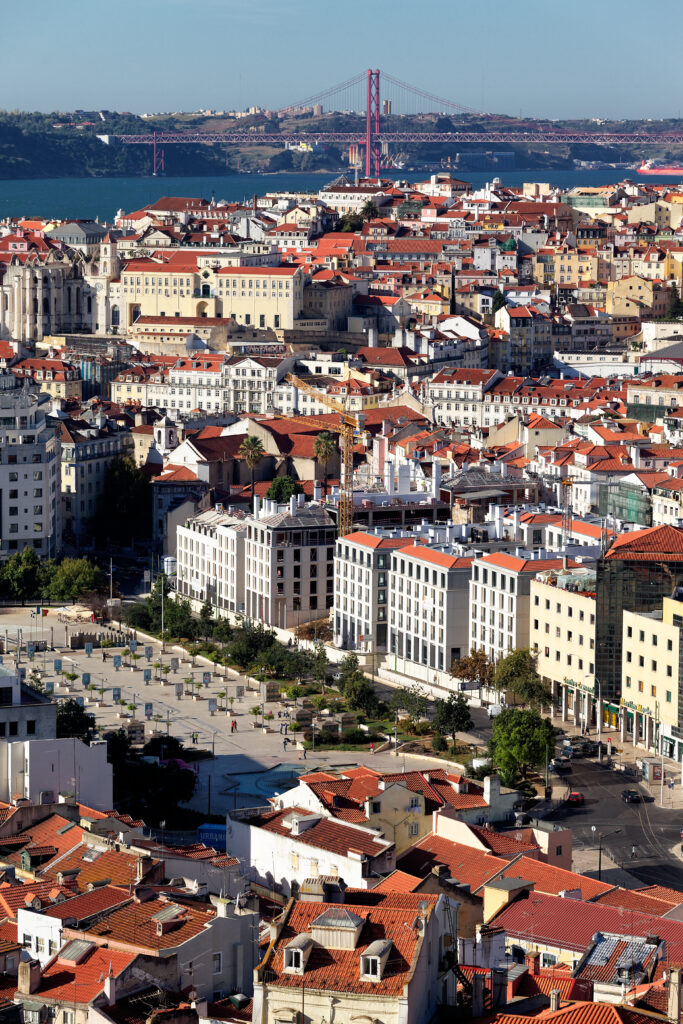
The capital of Portugal is Lisbon, one of the oldest and most atmospheric cities in Europe. Built across seven hills overlooking the Tagus River estuary, Lisbon combines ancient history, striking Moorish and Manueline architecture, world-class food, a thriving music scene, and some of the best value for money of any Western European capital. Whether you are looking for a quick answer about Portugal’s capital city or planning a weekend trip, this guide covers everything you need to know about Lisbon.
What Is the Capital of Portugal?
Lisbon is the capital of Portugal. It serves as the country’s political, economic, and cultural center and is by far the largest city in Portugal, with a metropolitan population of approximately 2.9 million people.
Lisbon is located in western Portugal on the Atlantic coast, positioned at the point where the Tagus River (Tejo in Portuguese) meets the Atlantic Ocean. It is the westernmost capital city in continental Europe.
The city has been Portugal’s capital since the 13th century, though settlement in the area dates back thousands of years. Today Lisbon is one of Europe’s most popular travel destinations, consistently ranking among the continent’s best cities for food, architecture, nightlife, and livability.
Lisbon at a Glance
- Country: Portugal
- Status: Capital city and largest city of Portugal
- Population: approximately 545,000 city proper; 2.9 million metropolitan area
- Location: western Portugal on the Atlantic coast, at the mouth of the Tagus River
- Geography: built across seven hills
- Currency: Euro
- Language: Portuguese
- Time zone: WET/WEST (GMT/GMT+1) — note that Portugal uses the same time zone as the UK, not Spain
- Airport: Humberto Delgado Airport, 7 km from the city center
Brief History of Lisbon
Lisbon is one of the oldest cities in the world, predating other major European capitals by centuries. Phoenician traders established a settlement here around 1200 BC, drawn by the natural harbor of the Tagus estuary. The Romans later called it Olisipo and it became an important administrative center of the Iberian Peninsula.
In the 8th century, the Moors captured Lisbon and held it for over four centuries. The city’s oldest district, Alfama, retains much of its Moorish street pattern. In 1147, King Afonso Henriques, the first King of Portugal, recaptured Lisbon with the help of crusaders traveling to the Holy Land.
Lisbon became Portugal’s capital in 1255 and reached the height of its global influence during the Age of Discovery in the 15th and 16th centuries. Portuguese explorers including Vasco da Gama sailed from Lisbon to open sea routes to India, Africa, and Brazil. The wealth generated by these voyages funded the extraordinary Manueline architecture that still defines the city.
In 1755, a catastrophic earthquake followed by a tsunami and fire destroyed much of Lisbon. The Marquis of Pombal led the reconstruction, creating the orderly grid-pattern Baixa district that still stands. The Pombaline style of earthquake-resistant construction became the template for the city center.
Top Things to Do in Lisbon
Belem Tower and Jeronimos Monastery
The Tower of Belem is Lisbon’s most iconic landmark, a 16th century fortified tower built in the Manueline style on the banks of the Tagus. It was the ceremonial gateway through which Portuguese explorers departed and returned. The nearby Jeronimos Monastery is the finest example of Manueline architecture in Portugal, built with wealth from the spice trade and housing the tombs of Vasco da Gama and the poet Luis de Camoes. Both are UNESCO World Heritage Sites.
Alfama District
Alfama is Lisbon’s oldest neighborhood, a labyrinth of narrow streets and staircases climbing the hillside below Sao Jorge Castle. The district retains its Moorish street pattern and is the spiritual home of fado, Portugal’s national music. Small fado bars line the streets, and in the evening the sound of voices and Portuguese guitar drifts from open windows. The miradouros, viewpoints, throughout Alfama offer spectacular views over the city and river.
Sao Jorge Castle
Sao Jorge Castle crowns the highest hill in central Lisbon. Originally built by the Moors and expanded by Portuguese kings, it offers the best panoramic views of the city from its ramparts. The castle interior contains archaeological excavations revealing layers of settlement from the Iron Age through the Moorish period. Allow 90 minutes and arrive early to avoid midday crowds.
LX Factory
LX Factory is a creative complex established in a former 19th century industrial textile plant in the Alcantara district. The space houses independent restaurants, design studios, bookshops, vintage clothing stores, and event venues. The Sunday market is particularly popular. It represents a different side of Lisbon from the historic monuments, showing the city’s creative contemporary culture.
Miradouros
Lisbon’s hilltop viewpoints are among its greatest pleasures. Miradouro da Graca offers the best view of Alfama and Sao Jorge Castle. Miradouro da Senhora do Monte is the highest viewpoint in the city. Miradouro de Santa Catarina in the Bairro Alto has a more bohemian character with musicians and vendors. Each has a different character and each is worth the walk.
Tram 28
Tram 28 is one of Lisbon’s historic yellow trams that navigates the steep streets of Alfama, Graca, and Estrela. The tram route passes through some of the most scenic parts of the old city. It is a tourist attraction in itself but also a functioning public transport route. Board at Martim Moniz in the morning before the tourist crowds build.
National Museum of Ancient Art
The Museu Nacional de Arte Antiga houses Portugal’s most important collection of European and Oriental art from the 12th through the 19th centuries. The collection includes Nuno Goncalves’s Panels of St Vincent, one of the masterpieces of 15th century European painting, alongside significant works from the Portuguese colonial period.
Oceanarium
The Lisbon Oceanarium in the Parque das Nacoes district is one of the best aquariums in Europe. The central tank containing sharks, rays, sunfish, and thousands of other species is particularly impressive. It is ideal for families and worth a half day. The surrounding Parque das Nacoes waterfront area was built for Expo 98 and has good restaurants and cycle paths along the river.
Where to Eat and Drink in Lisbon
Traditional Food to Try
Pasteis de nata are the essential Lisbon food experience. These custard tarts with a flaky pastry shell and slightly caramelized top are eaten warm, dusted with cinnamon and powdered sugar. The original and most famous version comes from Pasteis de Belem in the district of the same name, made to a recipe that has been kept secret since 1837.
Bacalhau, salt cod, is Portugal’s national ingredient. Over 365 recipes exist for it, one for every day of the year according to tradition. Bacalhau a bras, shredded cod with eggs, onions, and thin fried potatoes, and bacalhau com natas, baked with cream and potatoes, are two of the most common preparations.
Bifanas are pork sandwiches in a crusty roll with mustard and piri piri, sold from small cafes throughout the city. They are one of the best cheap eats in Lisbon and the kind of food that locals eat rather than something created for tourists.
Time Out Market
Time Out Market Lisboa in the Cais do Sodre district is a large food hall bringing together Lisbon’s best chefs and restaurants under one roof. It offers an efficient way to try multiple types of Portuguese food in one sitting. The quality is high and the market model has been replicated in cities worldwide since Lisbon’s version opened in 2014.
Fado Restaurants
An evening in a fado restaurant in Alfama is one of the essential Lisbon experiences. The music is performed live while you eat, typically beginning around 8 pm. Fado is a UNESCO-recognized intangible cultural heritage. A Baiuca and Tasca do Chico in Alfama are among the most authentic venues. Book well in advance for dinner with fado.
Wine
Portugal produces some of Europe’s most interesting and underrated wines. Vinho Verde from the north is light, slightly sparkling, and ideal for warm weather. Alentejo reds are rich and food-friendly. Ginjinha is a sweet cherry liqueur served in small chocolate cups from street kiosks around Rossio Square and is a classic Lisbon street experience.
Lisbon Neighborhoods: Which One Is Right for You?
Alfama
The oldest and most atmospheric district. Narrow streets, fado bars, miradouros, and the castle. Best for: first-time visitors, fado lovers, history and architecture.
Baixa and Chiado
The central downtown area rebuilt after the 1755 earthquake. Wide pedestrian streets, historic cafes, high street shopping, and easy metro access. Chiado immediately above is more upmarket with independent boutiques and the famous Livraria Bertrand, the oldest operating bookshop in the world. Best for: central location, shopping, easy access to other neighborhoods.
Bairro Alto
The upper neighborhood known for its bars, restaurants, and nightlife. Quiet by day but comes alive from 10 pm onward. Best for: nightlife, late dinner, bar hopping.
Principe Real
An elegant residential neighborhood with a Saturday antiques market, independent boutiques, excellent restaurants, and a more relaxed pace than the tourist-heavy areas. Best for: a second or third visit, quieter atmosphere, quality independent dining.
Belem
Where the Tagus meets the Atlantic, home to the Tower of Belem, the Jeronimos Monastery, the Discoveries Monument, and the original Pasteis de Belem. Not a place to stay but essential to visit. Best for: a dedicated half-day of monument visiting.
A Weekend in Lisbon: 2-Day Itinerary
Day 1: Old Lisbon
Morning: Start at Sao Jorge Castle at opening time to beat the crowds and enjoy the views. Walk down through Alfama, stopping at Miradouro das Portas do Sol for views over the rooftops. Explore the narrow streets and find a small cafe for a coffee and pasteis de nata.
Afternoon: Walk or take Tram 28 to Baixa. Visit the Elevador de Santa Justa for a panoramic view, then walk to Chiado for coffee at Cafe A Brasileira, the historic Art Nouveau cafe on Rua Garrett.
Evening: Return to Alfama for dinner and fado. Book a table at one of the smaller, more authentic fado venues for the most memorable experience.
Day 2: Belem and Contemporary Lisbon
Morning: Take the tram or Uber to Belem. Visit the Jeronimos Monastery early when it is quietest. Walk to the Belem Tower. Stop at Pasteis de Belem for the original custard tarts.
Afternoon: Head to the Time Out Market for lunch. Walk through Cais do Sodre and along the waterfront. Explore LX Factory if it is a Sunday. Visit Principe Real for the antiques market and independent shops.
Evening: Dinner in Bairro Alto or Chiado. End the evening with ginjinha from a street kiosk near Rossio.
Day Trips from Lisbon
Sintra
Sintra is the most popular day trip from Lisbon and fully deserves its status. The hilltop town in the Sintra Mountains contains an extraordinary concentration of royal palaces, Moorish castles, and eccentric 19th century estates built by Portuguese and European aristocracy. Pena Palace, the colorful Romantic-era royal residence, is the main attraction. The train from Lisbon Rossio takes approximately 40 minutes.
Cascais and Estoril
The coastal towns of Cascais and Estoril on the Estoril Coast west of Lisbon offer beaches, seafood restaurants, and the famous Casino Estoril, the inspiration for Ian Fleming’s Casino Royale. The train from Cais do Sodre runs directly and takes about 40 minutes. The coast road between the two towns is one of the most scenic drives in the Lisbon region.
Setubal and the Arrabida Natural Park
The Serra da Arrabida south of Lisbon contains some of the most beautiful coastline in Portugal, with dramatic limestone cliffs and crystal-clear turquoise water. The beaches here are among the best in mainland Portugal. A hire car makes the most of the area, which is accessible in about an hour from Lisbon.
How to Get to Lisbon
By Air
Humberto Delgado Airport (LIS) is 7 kilometers from the city center and is one of Europe’s busiest airports. Direct flights connect Lisbon to cities across Europe, North America, South America, Africa, and the Middle East. Budget carriers including Ryanair and easyJet operate extensive European routes.
The metro Red Line connects the airport directly to the city center in approximately 20 minutes. Taxis and Uber are also available. A new Lisbon airport, the Humberto Delgado replacement, is under development south of the city.
By Train from Spain
The Lusitania overnight train connects Madrid and Lisbon in approximately 10 hours, departing in the evening and arriving in the morning. Day services also run between the two capitals via a change at the Spanish border. High-speed rail between Lisbon and Madrid is under development.
Getting Around Lisbon
- Metro: efficient and inexpensive, covering most tourist areas. The Viva Viagem card works across metro, bus, and tram.
- Trams: the historic yellow trams are iconic but slow and crowded on tourist routes. Tram 28 is worth riding once.
- Uber: widely available, affordable, and often the most practical option for getting between neighborhoods quickly.
- Walking: the best way to experience Lisbon’s neighborhoods, though the hills require comfortable shoes.
- Elevators and funiculars: the city operates several public elevators and funiculars, the ascensores, that assist with the steepest climbs.
Best Time to Visit Lisbon
Lisbon has one of the mildest climates of any European capital. Summer temperatures average 27 to 30 degrees Celsius with very little rain. Spring and autumn offer temperatures of 18 to 24 degrees with occasional showers and significantly smaller crowds.
The best months for visiting are April to June and September to October. This period combines comfortable temperatures, lower prices than summer peak, and the city operating at its normal pace rather than under tourist pressure.
July and August are hot, crowded, and expensive. Winter from November to February is mild at 12 to 16 degrees, quieter, and cheap, though some rain is expected. The city remains very pleasant in winter with most attractions open and excellent restaurant availability without reservations.
Practical Travel Tips
- Wear comfortable shoes with grip. Lisbon’s cobblestoned streets, calçada portuguesa, are beautiful but slippery when wet.
- Book popular restaurants in advance, especially fado restaurants in Alfama and trendy spots in Chiado.
- Buy the Lisboa Card for unlimited public transport and free or discounted entry to 40 museums and attractions.
- Beware pickpockets in Tram 28 and at popular viewpoints. Use a money belt and keep bags in front.
- Portuguese lunch is typically 12.30 to 2.30 pm. Dinner rarely starts before 8 pm. Arriving at restaurant opening is the best strategy for popular venues.
- English is widely spoken in Lisbon, particularly in tourism-related businesses. A few words of Portuguese are always appreciated.
Frequently Asked Questions
What is the capital of Portugal?
Lisbon is the capital of Portugal. It has been the country’s capital since 1255 and is the largest city in Portugal, with a metropolitan area population of approximately 2.9 million people. Lisbon is located on the Atlantic coast at the mouth of the Tagus River in western Portugal.
Is Lisbon worth visiting?
Lisbon is consistently rated one of the best city break destinations in Europe. It combines ancient history, extraordinary food, a unique music tradition in fado, outstanding architecture, and one of the best climates of any European capital. It is also significantly more affordable than comparable Western European cities. Most visitors who spend a weekend in Lisbon wish they had booked longer.
How many days do you need in Lisbon?
A weekend of two to three days covers the main highlights of central Lisbon comfortably. Add a day for Sintra and another for Belem and the coastal areas if your schedule allows. Five days gives a relaxed pace with time for day trips, repeat visits to favorite spots, and genuine immersion in the city’s daily life.
What is Lisbon known for?
Lisbon is known for fado music, pasteis de nata custard tarts, Manueline architecture, the Age of Discovery heritage, the historic yellow trams, the seven-hills topography, exceptional seafood, and one of the best climates in Western Europe. It was also the starting point for Portuguese explorers who opened sea routes to Africa, India, and Brazil in the 15th and 16th centuries.
Is Lisbon expensive?
Lisbon is moderately priced by Western European standards and significantly cheaper than cities like London, Paris, Amsterdam, or Copenhagen. A full meal with wine in a good local restaurant typically costs 20 to 35 euros per person. Coffee is around one euro. Public transport is inexpensive. Accommodation varies widely but generally offers better value than comparable European capitals, particularly outside peak summer season.
Final Thoughts
Lisbon, the capital of Portugal, earns its reputation as one of Europe’s most compelling city destinations. The combination of layered history visible in every neighborhood, food that ranges from street bifanas to world-class restaurants, fado bars that transport you somewhere completely outside modern experience, and a physical setting of hills and river light that changes character throughout the day creates a city that rewards both the quick weekend visit and the extended stay.
Plan your visit, book the fado restaurant in advance, wear comfortable shoes, and arrive hungry. Lisbon will do the rest.